Buster and his new cast now have their sights set on debuting a new show at the Crystal Tower Theater in glamorous Redshore City. But with no connections, he and his singers must sneak into the Crystal Entertainment offices, run by the ruthless wolf mogul Jimmy Crystal, where the gang pitches the ridiculous idea of casting the lion rock legend Clay Calloway in their show. Buster must embark on a quest to find the now-isolated Clay and persuade him to return to the stage.
Martin Scorsese’s electrifying concert documentary captures The Rolling Stones live at New York’s Beacon Theatre during their A Bigger Bang tour. Filmed over two nights in 2006 with an all-star team of cinematographers, the film combines dynamic performances with archival footage and rare glimpses behind the scenes, offering a vibrant portrait of the band’s enduring energy and legacy.
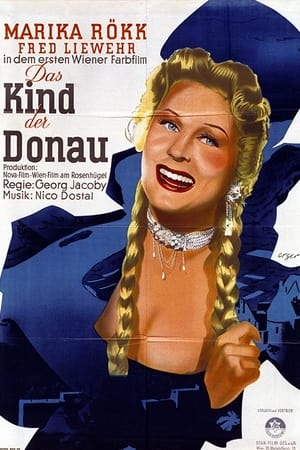
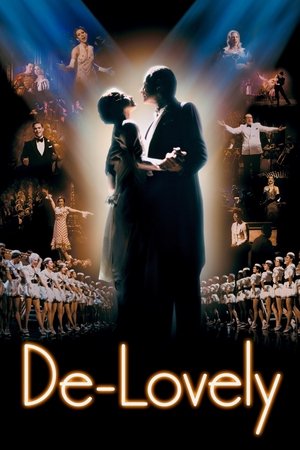
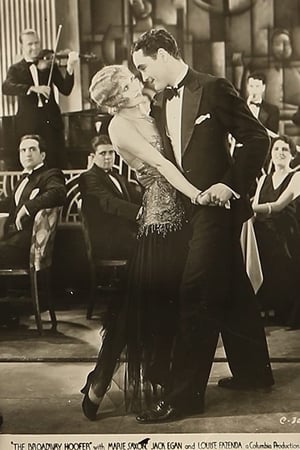
An usherette in a theatre, where a distinguished and popular actor performs, gets her big break when the leading actress has an accident. The director decides to take advantage of the heretofore unexploited talent of the girl and asks her to replace the leading actress. This unexpected opportunity transforms her from a humble usherette into a shining star. Later on, she wins the heart of the leading actor with whom she was secretly in love. However, her sudden rise to theatrical-musical stardom creates complications in their love affair, as her companion sinks into disappointment and drowns himself in drink, abandoning his career. Nevertheless, the usherette/leading actress doesn't give up; She looks for him, finds him and supports him, psychologically and morally, until he makes a comeback to the stage and their love nest.
A pioneer in the world of rock-'n'-roll guitar, Chuck Berry has created a legacy that spans decades. Berry performs some of his greatest hits and all-time favorites in this concert video that was filmed on September 13, 1969 at 'Toronto Rock'n'Roll Revival.' The Concert includes the songs "Rock and Roll Music," "Long Live Rock and Roll," "Johnny B. Goode," "Promised Land," "Carol," "Hoochie Koochie Man," "Maybellene," "Too Much Monkey Business," "Reelin' and Rockin'," "Sweet Little Sixteen" and "In the Wee, Wee Hours."
A comedy musical stage version of the Phantom of the Opera, filmed live on-stage during a performance in Florida.
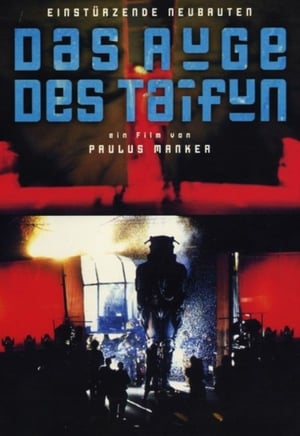
Dark fairytale about a demonic doctor who abducts a beautiful opera singer with designs on transforming her into a mechanical nightingale.
Arcade Fire released their live film recording 'Live at Earls Court,' in 2015. It was recorded during the band's shows at Earl's Court in London, during the Reflektor Tour in 2014 and it features some of the most fan-appreciated tracks.
Guns, God and Government is a concert film chronicling the band Marilyn Manson during their Guns, God and Government tour. It was released on October 29, 2002 on the formats VHS, DVD and UMD. The DVD contains live tracks and performances that switch between visuals of various shows from United States, Japan, Russia, and Europe while maintaining a single consistent music track.
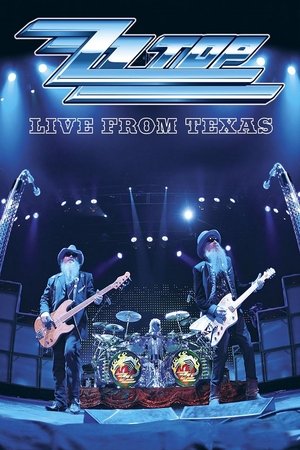
Live from Texas is a live DVD/Blu-ray by ZZ Top. It was recorded on November 1, 2007, at the Nokia Theatre in Grand Prairie, Texas, and released on June 24, 2008, by Eagle Rock Records. The hirsute trio (guitarist Billy Gibbons, bass player Dusty Hill, drummer Frank Beard) has been at it for nearly four decades now.
Filmed at the Warfield Theatre in San Francisco, California on December 7, 2001, War at the Warfield would become Slayer's first music DVD. Originally set for release on February 13, 2003, it was delayed several times, due to unspecified "production issues". War at the Warfield peaked at number 3 on the Billboard DVD chart with sales of 7,000.
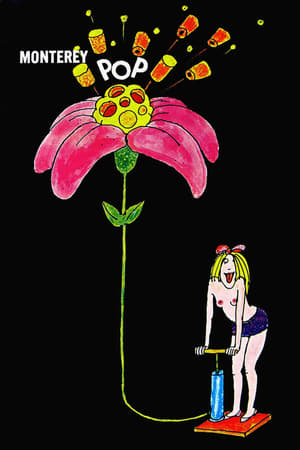
Featuring performances by popular artists of the 1960s, this concert film highlights the music of the 1967 California festival. Although not all musicians who performed at the Monterey Pop Festival are on film, some of the notable acts include the Mamas and the Papas, Simon & Garfunkel, Jefferson Airplane, the Who, Otis Redding, and the Jimi Hendrix Experience. Hendrix's post-performance antics -- lighting a guitar on fire, breaking it and tossing a part into the audience -- are captured.
This early travelogue film, made in a Kenyan train station, captures an impromptu musical performance. Some passengers eagerly join in while others sleep—blissfully unaware of the performance taking place around them.
Falling in love with the voice of Broadway chanteuse Margaret Garret, cocksure young tycoon Daniel Brewster decides to rescue the star from her hectic lifestyle of frenzied fans and mooching relatives. When Margaret has her ardent suitor arrested, the judge appoints her as Daniel's probation officer, forcing the duo to spend time together. As Daniel teaches Margaret to let her hair down and enjoy life, she begins to fall for her fun-loving admirer.
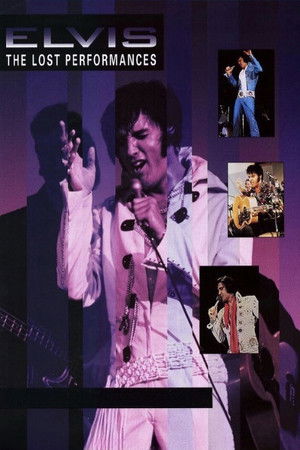
This film features unreleased concert footage of Elvis Presley's afternoon performance at the 'Mississippi-Alabama Fair and Dairy Show' held at the Fairgrounds in Tupelo, Mississippi on September 26, 1956. The professionally filmed black and white newsreel footage was synchronized with an amateur audio recording of the concert that had previously appeared on the 'Elvis Presley: A Golden Celebration' LP/CD box set.
Doug Sahm a/k/a Sir Doug was both a Texas rock & roll legend and pioneer. True, there were others before him (Buddy Holly and Roy Orbison come to mind), but the Sir Douglas Quintet counterattacked the British invasion of the mid 1960's with their own brand of Chicano-influenced rock that they had been playing around their hometown of San Antonio. This performance, recorded October 14, 1975, came after Doug had temporarily retired the Sir Douglas name, but features original member Augie Meyer along with musical compadres Martin Steitle, John Barber, Steve McDaniels and Harry Hess.
A reel of the Noh drama Momiji-gari, in which Danjuro Ichikawa played opposite Onoe Kikugoro V as an ogress who has disguised herself as the Princess Sarashina. Filmed by Shibata Tsunekichi in the open air on a windy day in November 1899, Danjuro would allow only the one take, so that when his fan blew away in mid-performance the scene had to stay. The film re-emerged at the Kikikan theatre in 1907 where it was a great success and inspired a wave of fiction filmmaking based on traditional Japanese narratives.
Critics seldom agree upon anything so much as they do with Bernard Allison. The son of the blues legend Luther Allison is regarded as one of the most important and creative representatives of 21st century blues. This live concert was recorded in August 1999 at the W.C. Handy Festival in Henderson, Kentucky.
Eric Clapton is widely considered one of the greatest blues guitarists of all time. He played with The Yardbirds, a seminal 60s blues-rock band that would go on to become Led Zeppelin, before recording an album that is known as one of the greatest blues-rock albums ever made, with John Mayall and the Bluesbreakers. He went on to form three supergroups in quick succession. This film features his live performance at Budokan in Tokyo, Japan on February 25, 2009.
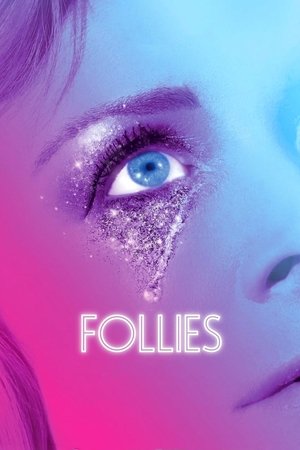
New York, 1971. There’s a party on the stage of the Weismann Theatre. Tomorrow the iconic building will be demolished. Thirty years after their final performance, the Follies girls gather to have a few drinks, sing a few songs and lie about themselves.
A look at the entire process of creating and developing Patrice Chéreau’s third staging of "In the Solitude of Cotton Fields" by Bernard Marie Koltès with Pascal Greggory and Chéreau himself. From the first reading around the table through the first contact with the performance space, rehearsals and lighting to opening night, the entire creative process unfurls in front of our eyes. The film shows us the evolving and ongoing dialogue between Greggory and Chéreau, a dialogue full of crises and magical moments of harmony and insight via which the truth, intensity, complexity, mystery and depth of Koltès’ text gradually emerge to form an implicit bond between these two men. The film also shows Chéreau directing rehearsals for Mozart’s "Don Giovanni" in Salzburg, revealing both the unity of and profound differences between his opera and theater work.