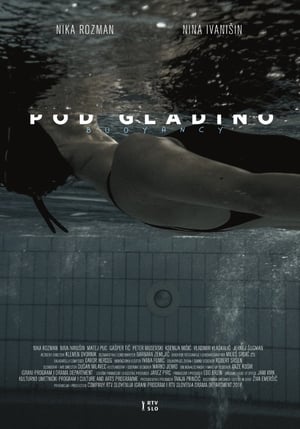
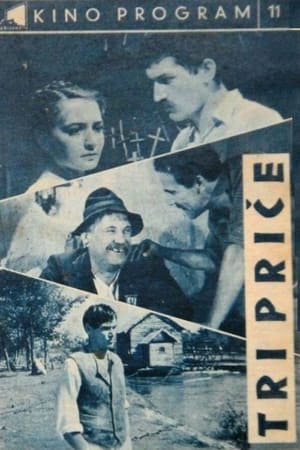
Three stories connected by the motifs of water and death told in neorealist style.
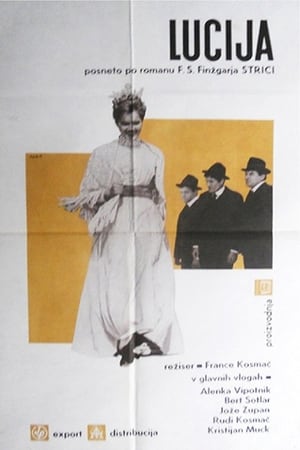
A melodramatic story of Lucia, who serves as a charwoman on the Podlogar family's rich farm, and makes a fuss among householder's sons, as she becomes pregnant with one of them. A decision on whether one should be forced into marriage with the pregnant charwoman and her child, ends tragically. Will Lucia be able to sustain psychological pressure, contempt and pity of the Podlogar brothers?
The stories narrated by the film bring together individuals all over the world, spanning over sixty years and thus symbolically covering the approximate period of a single human life. Each of the stories is based on true accounts and events, summed up from newspaper articles, statements, and media announcements. Through internal monologues the collage makes up a whole which transcends any individual story.
Kingdom of Hawaii, 1866. Fearful that leprosy would spread throughout the archipelago, the king banishes the sick to the island of Molokai. In 1873, the Belgian Catholic missionary Damien de Veuster arrives on the island to help improve the lives of its unfortunate inhabitants.
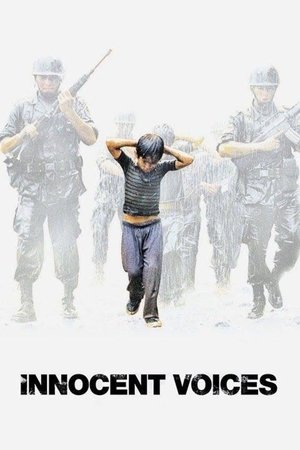
A young boy, attempting to have a normal childhood in 1980s El Salvador, is caught up in a dramatic fight for his life when he desperately tries to avoid the war that is raging all around him.
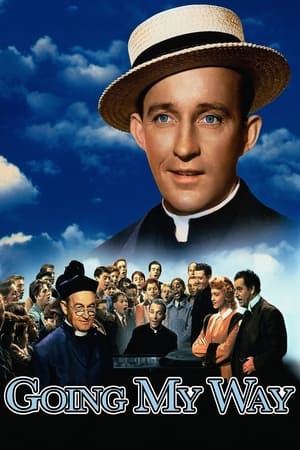
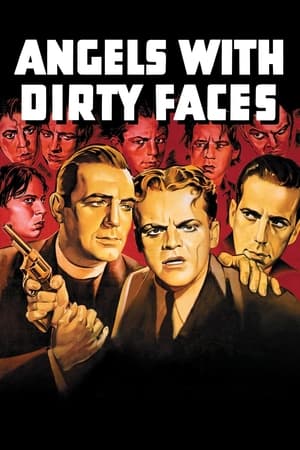
Youthful Father Chuck O'Malley led a colorful life of sports, song, and romance before joining the Roman Catholic clergy. After being appointed to a run-down New York parish, O'Malley's worldly knowledge helps him connect with a gang of boys looking for direction, eventually winning over the aging, conventional Parish priest.
Despite all actions taken in attempt to conquer Trieste, Gestapo forces fail to do so. The surrender of Italian fascist state gives partisans an open way in seizing the power with the help of domicile population.
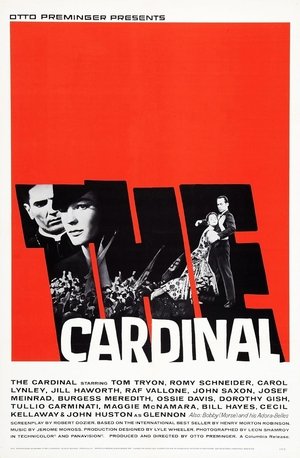
A young Catholic priest from Boston confronts bigotry, Nazism, and his own personal conflicts as he rises to the office of cardinal.
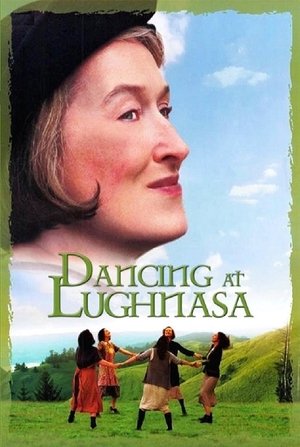
Five unmarried sisters make the most of their simple existence in rural Ireland in the 1930s.
it's the 1840s and a rural parish plagued by drinking and fighting gets a new vicar who has decided to instill law, order and fear of God into the parishioners.
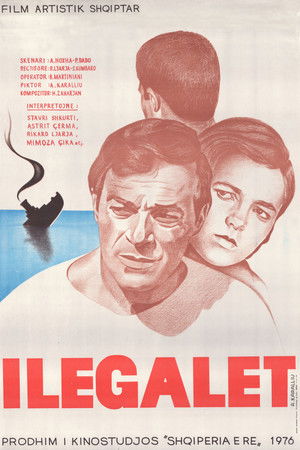
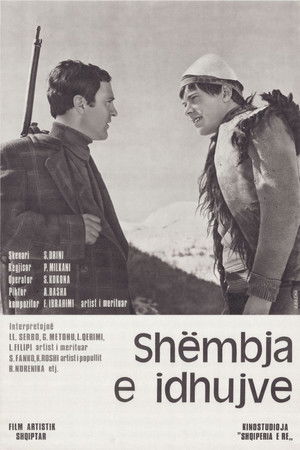
During World War II, an Italian agent tries to infiltrate the Albanian guerrilla units under the identity of 'engineer Tosti'.
In 1940, shortly before the outbreak of war, a young boy Marjan lives a carefree life with his gang in Ljubljana, experiencing all the problems of his age. With Lenka he's experiencing his first "pure" love, while discovering sexuality... The Italian occupation brings many changes, gang breaks up, some join the liberation movement, the others join collaborationist forces. Marjan remain "unlisted". Italians surrender, and hand over the city to Germans. Frivolous Milena, who has good connections with them, seduces Marjan whom she lost her innocence with. The war is over and the partisans win. The new authorities mistakenly imprison Marjan.
When a suicidal prostitute confesses to a priest her plans to end her life on her birthday, he searches for her to intervene.
A TV journalist making a documentary in a factory finds out that the workers have been on strike and tries to analyze the strike in his film, but is thwarted by the TV company. His failure at his job is interwoven with his failed marriage.
On the day after Christmas, a Catholic priest from Cork drives his nephew to prison.
When Peter comes back from the war, he finds his father changed and alone. Their former maid, Leni, has also left and soon Peter's grandfather also dies. His father begins writing his memoirs of his Partisan years. Peter blames his father for his mother's death, but the final blow comes when he catches his father together with his (Peter's) former girlfriend. He moves in with his brother and accuses Leni of having had an affair with his father. Peter decides to kill his father but cannot carry out the plan. His father tells him in a fit of rage that he isn't his son at all. Feeling desperate and down, he goes to Leni's place for comfort, and finds her dead on the floor. The police arrest Peter for the murder of Leni. Will Peter have to serve a jail sentence on his road to maturity and will political connections have a bearing on the final verdict of the trial? Peter doesn't even know whom he can trust anymore.
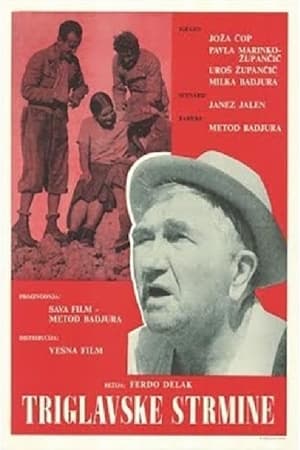
When Dane returns from the army, Vera awaits him at the station, ready to live together with him. Yet beneath the veil of enthusiasm lies anxiety for their future. The couple sets off for the mountain village where Vera's parents live, but find life in the harsh alpine conditions too difficult. They decide to move down into the valley, where they meet a discontented couple whose marriage has been marred by an affair. Vera and Dane also encounter difficulties in their relationship, but the tragic example of the other couple helps them realize that their home lies in the place of their birth - beneath the free skies in the mountains.
Bevant is a freak who wanted to remain faithful to himself, and therefore, in contrast to most, he remained a farmer.
Peter, whose father was a member of the Home Guard collaboration forces and a political emigrant, returns from Argentina to Slovenia, his father’s homeland. In Slovenia, Peter makes the acquaintance of an architect, but their friendship is fraught with ideological conflicts.
Based on the novel by Josip Jurcic and set in rural Yugoslavia in the 1840's. The tenth brother of a family returns to the family home to take revenge on his father who had abandoned him as a child.