This short film examines the origins of several superstitions including crossing your fingers, knocking on wood, rabbit's feet, and breaking champagne bottles to christen ships, plus the role of superstitions in the Flying Dutchman tale.
In a working-class neighborhood of Naples, a woman works as a sorceress and healer. Gianni spends a day with her, observing her work with poor clients, the sick, those suffering from love, and, of course, the superstitious.
UFOs and spirits can be seen in Salme municipality on the island Saaremaa. There are viking skeletons and the Sõnajalg family wind turbines coming out of the depths of the earth and a helicopter flying to a village shop scares away cow herds. There are two realities here that do not fit together.
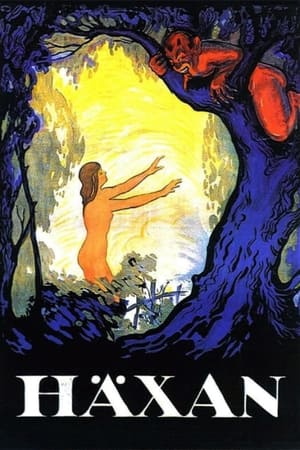
Grave robbing, torture, possessed nuns, and a satanic Sabbath: Benjamin Christensen's legendary film uses a series of dramatic vignettes to explore the scientific hypothesis that the witches of the Middle Ages suffered the same hysteria as turn-of-the-century psychiatric patients. But the film itself is far from serious-- instead it's a witches' brew of the scary, gross, and darkly humorous.
I enjoy religion, I appreciate belief systems and how they offer structure to people's lives. I also appreciate how spirituality manifests itself in Asian cultures as this almost earthbound presence guiding people through every day life and when they need an extra bit of help they need only ask whichever deity holds dominion over their desire. Here is an experimental film I made with videos from my iPhone. Shot across Taiwan and South Korea. An experimental film I made with videos from my iPhone. Shot across Taiwan and Korea. My aim was to explore success in how it pertains to every day life, the satisfaction of small moments, spirituality, superstition, and daily rituals.
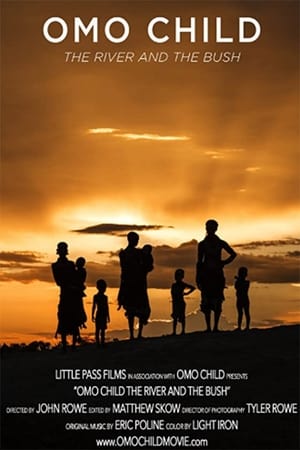
For many generations people in the Omo Valley (tribal southwest Ethiopia) believed some children are cursed and that these 'cursed' children bring disease, drought and death to the tribe. The curse is called 'mingi' and mingi children are killed. Lale Labuko, a young educated man from the Kara tribe was 15 years old when he saw a child in his village killed and also learned that he had 2 older sisters he never knew who had been killed. He decided one day he would stop this horrific practice. Filmed over a five year period we follow Lale's journey along with the people of his tribe as they attempt to change an ancient practice.
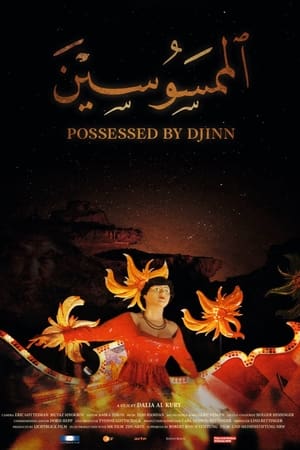
Sparked by the true story of Aya, a four-year-old Jordanian girl killed by her father because he believed her to be possessed, filmmaker Dalia Al Kury launches a fascinating investigation into a controversial and little-known aspect of Islamic culture: belief in djinn. The djinn are believed to be supernatural creatures that occupy a parallel world to ours and their emergence is associated with sexuality, political unrest, poverty and mental illness. The taboo subject of demonic possession remains broadly unresolved in the hearts and minds of some Muslims due to its complex and uncomfortable nature. Using a subjective, “undercover” style, Al Kury journeys into the obscure world of exorcists and the possessed, confronting their traditions and rituals. It makes for a telling ghost story that bares the filmmaker’s and her society’s subconscious underbelly.
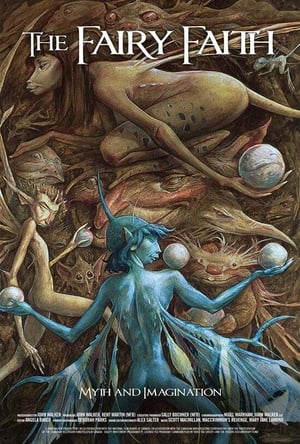
Walker takes us on a personal journey into a world of myth and imagination that he learned from his grandmother. He travels from the Moors of Devon and the Highlands of Scotland to the brooding Celtic landscapes of Ireland and the intimate hills of Cape Breton, in his search of this potent “otherworld” of the imagination.
Superstitions are examined in the context of mid-20th century America. Walking under ladders, spilt salt, stepping on cracks, haunted houses, voodoo dolls, and such are used to illustrate the widespread belief in the supernatural.
In Punxsutawney, Pennsylvania, Groundhog Day reigns supreme. 134 years strong, for a single morning in the dead of winter, visitors gather to witness Punxsutawney Phil’s vision for the future. But when a global pandemic forces the ceremony to go virtual, the town’s residents must confront a moment of collective uncertainty.
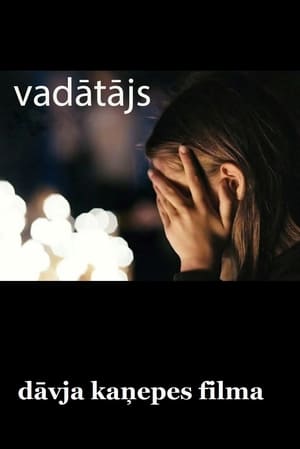
'Vadātājs' is an ancient Latvian mythological creature that leads people to Nowhere. As Latvia has been declared the most superstitious country in the EU, it is important to understand – what do we believe in? Three young filmmakers – a director, cinematographer and sound girl – question if Latvia is a lost country and if a Vadātājs has achieved enormous power by leading Latvian society into confusion. A search for a contemporary Vadātājs*, and the understanding of the origins of confusion within people in the 21st century.
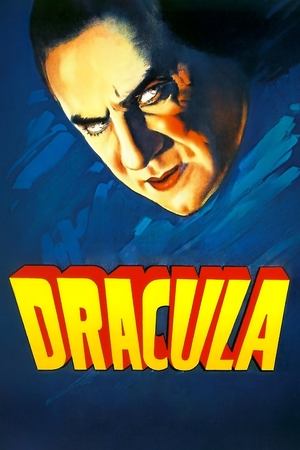
After a series of murders, a man finds out that his mother was bitten by a vampire bat during her pregnancy, and he believes that he may be the vampire committing the murders.
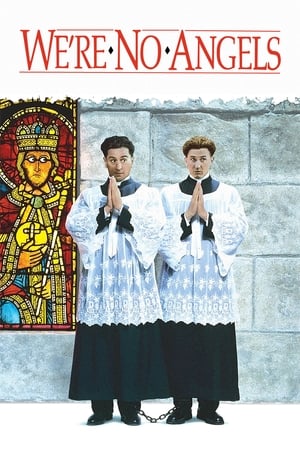
A Catholic priest in a poor community lives a charitable life in accordance with his religious principles, but others do not return the favor.
Apple Annie is an aging New York City fruit seller whose daughter Louise has been raised in a Spanish convent since she was an infant. As she grows up, Louise is led to believe that her mother is a society matron called Mrs. E. Worthington Manville. Annie worries that her lie is in danger of being uncovered when she learns that Louise is sailing to New York with her new fiancé and his nobleman father.
On a Greek island during the 1912 war, several people are trapped by quarantine for the plague. If that isn't enough worry, one of the people—a superstitious old peasant—suspects a young woman of being a vampiric demon.
In the shadow of Castle Dracula, the Prince of Darkness is revived by blood trickling from the head-wound of an unconscious priest attempting exorcism. And once more fear and terror strikes Transylvania as the undead Prince of Darkness stalks the village of Keineneburg to ensnare victims and satisfy his evil thirst.
A native of Sennwald, Anna Göldi arrived in Glarus in 1765. For seventeen years, she worked as a maidservant for Johann Jakob Tschudi, a physician. Tschudi reported her for having put needles in the bread and milk of one of his daughters, apparently through supernatural means. Göldi at first escaped arrest, but the authorities of the Canton of Glarus advertised a reward for her capture in the Zürcher Zeitung on February 9, 1782. Göldi was arrested and under torture, admitted to entering in a pact with the Devil, who had appeared to her as a black dog. She withdrew her confession after the torture ended, but was sentenced on June 18, 1782 to execution by decapitation. The charges were officially of "poisoning" rather than witchcraft, even though the law at the time did not impose the death penalty for non-lethal poisoning.
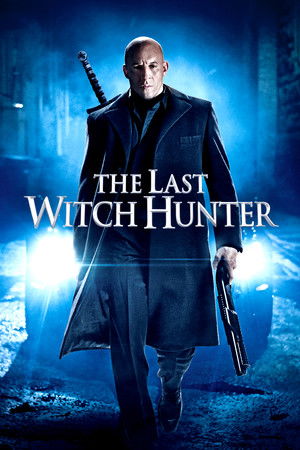
An ancient curse causes the ancestor of a witch hunter to turn into a bloodthirsty werewolf.
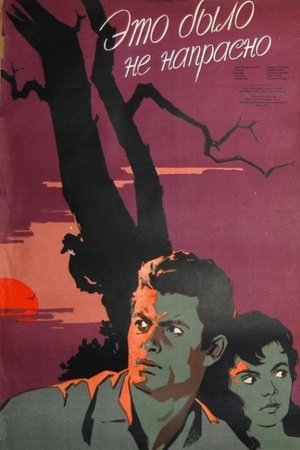
Boris Buzančić plays an idealistic young doctor who is assigned a nearly deserted village. The backwards residents at first resent Buzančić's new-fangled methods. Gradually, he proves his worth and wins their confidence. The clincher comes when Buzančić rids the community of a despotic villain.
A nurse in the Caribbean turns to voodoo in hopes of curing her patient, a mindless woman whose husband she's fallen in love with.