In nearly a century, Sabine Weiss (1924-2021) has left behind a monumental and eclectic work: thousands of faces, collections of the greatest fashion designers in prestigious magazines, a Parisian working-class now disappeared, photoreports around the world… By focusing on the margins of society, she was an exceptional witness of the 20th century. For the first time, a film draws the portrait of this hard-worker artist and captures the last words of the greatest female figure of the Humanist photography (Robert Doisneau, Henri Cartier-Bresson).
Traces the life and mental illness of New York artist and photographer Ruth Litoff, and her sister's struggle to come to terms with her tragic suicide.
There are places in the world that are forgotten by everyone, places where time seems to have stopped, where nature seems to have won the battle. These places are the playgrounds of modern-day adventurers called urbexers. They explore, discover, and photograph the most emblematic abandoned sites in France with a single leitmotif: to prevent them from falling into oblivion forever.
A documentary about surrealist artist Salvador Dali, narrated by Orson Welles.
A short documentary about Chun, who lives in Vienna.
The Bokelberg photographic collection brings to life the Paris of the Belle Époque (1871-1914), an exhibition of workshops and stores with extremely beautiful shop windows before which the owners and their employees proudly pose, hiding behind their eyes the secret history of a great era.
In rural Kosovo, identical houses are built for family members working abroad, in the hope that they will one day return to settle in their old homeland.
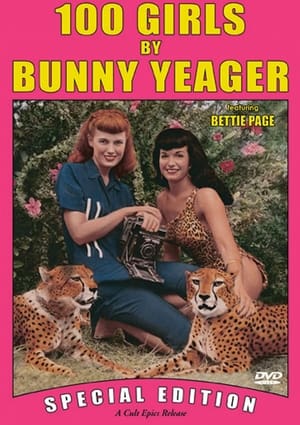
Bettie Page was the top pin-up queen of the 50s and developed a cult following in the 80s. She is known for her distinctive hair style and is reputed to be the most photographed pin-up model of all time. This compilation shows Bettie's playful side, featuring her scenes from the full-length burlesque films Striporama (1953), Varietease (1954) and Teaserama (1955) and a dozen complete short films from the 50s including Tantalizing Betty Dances Again, Tambourine Dance, Joyful Dance by Betty, Betty's Hat Dance, Dream Dance by Betty, Dance of Passion, Betty's Clown Dance Part 2, Betty's Lingerie Tease Dance, Betty's Second G-String Dance, Betty's Fireplace Dance, and Pin-Up Beauties Fight (with June King).
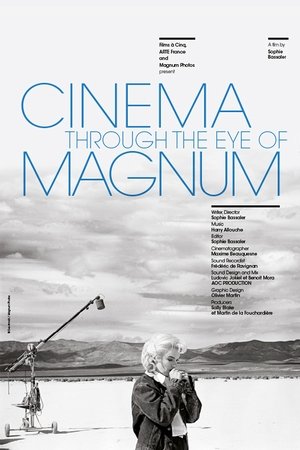
Larry Towell is the only Canadian member of the legendary Magnum Photo agency, known for its humanist and universal approach. Towell belongs to this tradition. This documentary reveals the artist and the man through his photography and his thoughts.
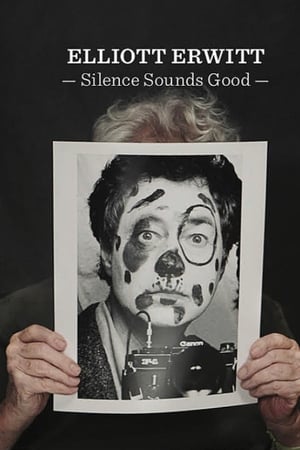
Elliott Erwitt has spent his entire adult life taking photographs, of presidents, popes and movie stars, as well as regular people and their pets. His work is iconic in world culture while his life is largely unknown.
The work of photographer Diane Arbus as explained by her daughter, friends, critics, and in her own words as recorded in her journals. Illustrated with many of her photographs. Mary Clare Costello, narrator Themes: Arbus' quirky go-it-alone approach. Her attraction to the bizarre, people on the fringes of society: sexual deviants, odd types, the extremes, styles in questionable taste, poses and situations that inspire irony or wonder. Where most people would look away she photographed.
In the year following the 9/11 terrorist attacks, young journalist Claude Baechtold finds himself in the war zone of Afghanistan. Not entirely voluntarily, the avowed anti-militarist is dragged by two fearless reporters on a round trip through the entire country.
Whether famous or anonymous, stars or prisoners, models or sex workers, women have always been at the center of Bettina Rheims' photographic work since her debut in 1978. Both subversive and glamorous, trashy and sophisticated, her photographs mark and bear witness to the upheavals of the era, which this leading photographer both anticipated and accompanied.
The co-founder of the Gamma press agency, Raymond Depardon, created this documentary of press photographers in Paris and their subjects by following the photographers around for one month, in October, 1980. In-between long hours waiting for a celebrity to emerge from a restaurant or a hotel, boredom immediately switches to fast action as the cameras click and roll when the person appears. The reaction to the gaggle of photographers is as varied as the people they often literally chase all around town. While some of the celebrities, such as Jacques Chirac who was mayor of Paris at the time, are perceived as comical caricatures, others are shown simply going about ordinary pursuits - including Catherine Deneuve, Gene Kelly, and Jean-Luc Godard.
Feeling unfair about the power's portrayal of all its opponents, at the dawn of the '68 protests a young man decided to become a photographer to set things right. "Taking a good picture is a great act of faith". Tano D'Amico thus began a journey that would lead him to be at the forefront of the social battles of the 1970s: the birth of new movements, "the appearance on the threshold of history of a people who had never entered history", the hopes, illusions and betrayals. Tano still continues to photograph workers, the homeless, migrants, the last people and all those who take protest to the streets.
Legendary photographer and director Anton Corbijn is responsible for many of the most indelible and important images of the past two and a half decades. His recently released book U2 & I is a photographic retrospective of his 25 year collaboration with U2. Later this year, Anton will direct his first feature film, Control, based on the life of the late Joy Division lead singer Ian Curtis.
Paco and Manolo are two Catalan photographers from the outskirts of Barcelona who have been working together for thirty years as if they were a single person, capturing their images in Kink magazine, a very personal photography fanzine with a homoerotic aesthetic of Mediterranean essence.
Follow the animated journey of an Indigenous photographer as she travels through time. The oral and written history of her family reveals the story — we witness the impact and legacy of the railways, the slaughter of the buffalo and colonial land policies.
Julius Shulman: Desert Modern focuses on Shulman's remarkable 70-year documentation of the renowned Mid-Century Modern architecture of the Palm Springs area/ Shulman, at the age of 97, describes with humor and insight his artistic intentions and the back-story to some of his most legendary photographs. He is joined by noted architectural historian Alan Hess and Michael Stern, co-authors of the book, "Julius Shulman: Palm Springs". Stern is also curator of the "Julius Shulman: Palm Springs" exhibition which originated at the Palm Springs Art Museum in February 2008. The flm showcases Shulman's inspired photography of the architecture of Richard Neutra, Albert Frey, John Lautner, E. Stewart Williams, Palmer and Krisel and William Cody, among others. E. Stewart Williams' Frank Sinatra House is featured, as well as Richard Neutra's Kaufmann House, one of the most famous homes in America, largely due to Shulman's iconic 1947 photograph.
Errol Morris examines the incidents of abuse and torture of suspected terrorists at the hands of U.S. forces at the Abu Ghraib prison.