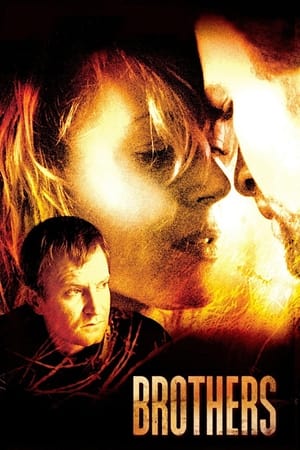
A Danish officer, Michael, is sent away to the International Security Assistance Force operation in Afghanistan for three months. His first mission there is to find a young radar technician who had been separated from his squad some days earlier. While on the search, his helicopter is shot down and he is taken as a prisoner of war, but is reported dead to the family.
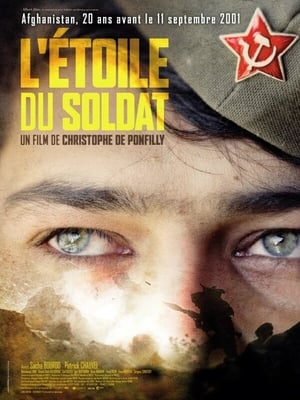
A Russian guitarist was enlisted in 1984 in the Afghan war. Imprisoned, he will meet an Afghan musician and a French journalist.
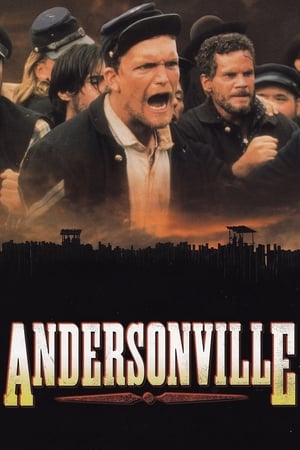
This lengthy docudrama records the harrowing conditions at the Confederacy's most notorious prisoner-of-war camp. The drama unfolds through the eyes of a company of Union soldiers captured at the Battle of Cold Harbor, VA, in June 1864, and shipped to the camp in southern Georgia. A private, Josiah Day, and his sergeant try to hold their company together in the face of squalid living conditions, inhumane punishments, and a gang of predatory fellow prisoners called the Raiders.
Investigating the infamous Abu Ghraib scandal, Errol Morris interviews American guards and Iraqi prisoners who were at the military jail before images of prisoner torture emerged in 2004. One female guard, who posed alongside fallen Iraqis in notorious images, tells Morris that her crimes were inspired by her love for another soldier, and another explains why she took photographs of her fellow troops. In the process, Morris suggests that the scandal resulted from systemic flaws in the military.
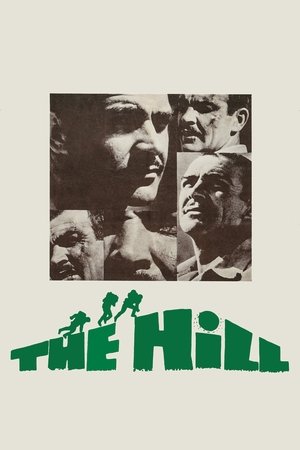
North Africa, World War II. British soldiers on the brink of collapse push beyond endurance to struggle up a brutal incline. It's not a military objective. It's The Hill, a manmade instrument of torture, a tower of sand seared by a white-hot sun. And the troops' tormentors are not the enemy, but their own comrades-at-arms.
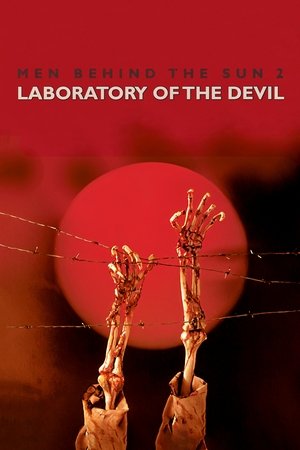
In 1935, Japan's Unit 731 conducts inhumane experiments. A doctor tries to free prisoners, including his fiancée, from the camp while witnessing atrocities.
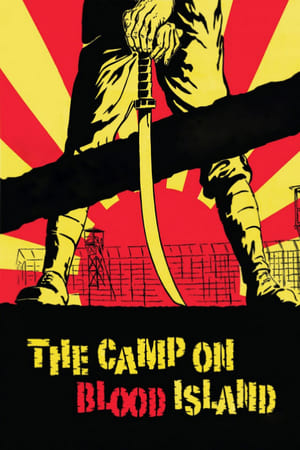
Set in a Japanese prisoner of war camp during World War II, the film focuses on the brutality and horror that the allied prisoners were exposed to as the Japanese metered out subjugation and punishment to a disgraced and defeated enemy. This harrowing drama concentrates on the deviations of legal and moral definitions when two opposing cultures clash. Although fictional, this was one of the earliest films to deal realistically with life and death in a Japanese prisoner-of-war camp during the Second War.
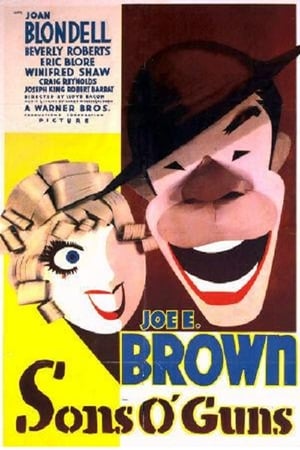
Broadway star Jimmy Canfield stars in a patriotic show on the great white way during WWI. He plays the heroic soldier, but he is doesn't want to join the Army. To evade some troubles with fellow actress Berenice, he acts like joining the forces going over there, but that turns out to be real. In France he falls in love with a French barmaid and is arrested as spy. He escapes from prison, only to end in the uniform of a German officer leading "his" soldiers in an Allied trap. But being escaped from prison and wearing the enemy's uniform isn't that healthy in wartime.
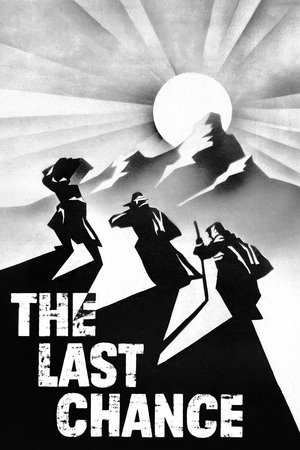
Escaping a Nazi prison train in war-torn Italy, an American and a British soldier set out for the Swiss border and find themselves leading a multi-national party of refugees for the Italian underground.
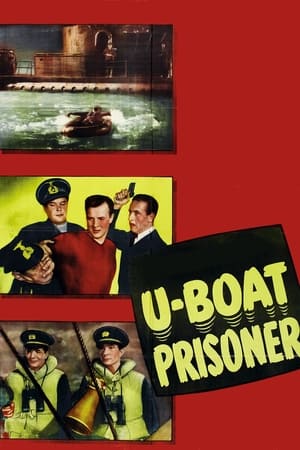
Merchant seaman Archie Gibbs manages to survive when his ship is torpedoed by a German submarine. Disguising himself in the uniform of a dead Nazi spy, Gibbs is picked up by the Nazi U-boat. He manages to convince the German sailors that he's the spy, and in this guise he tries to rescue a group of captured Allied scientists.
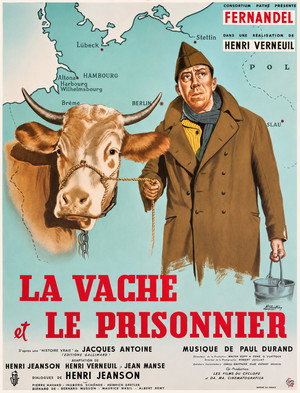
In 1942, a French prisonner of war in Germany decide to escape to France using a cow hold by a lunge as a decoy. He cross all Germany in this way.
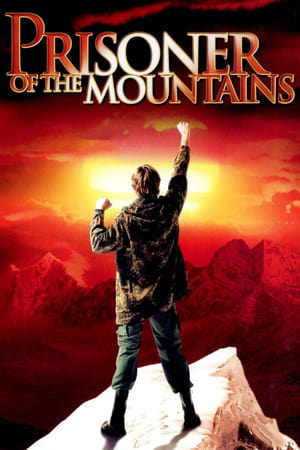
Two Russian soldiers, one battle-seasoned and the other barely into his boots and uniform, are taken prisoner by an anxious Islamic father from a remote village hoping to trade them for his captured son.
During the Spanish Civil War, a troupe of Spanish filmmakers is invited to shoot a film at UFA studios in Nazi Germany.
In the horror of 1944 Auschwitz, a prisoner forced to burn the corpses of his own people finds moral survival trying to save from the flames the body of a boy he takes for his son, seeking to give him a proper Jewish burial.
A look at 18th-century France, when the depravity of the authorities contributed to social oppression, and the uprisings flared up one after another.
A group of English, American, Dutch and Australian women creates a vocal orchestra while being imprisoned in a Japanese POW camp on Sumatra during World War II.
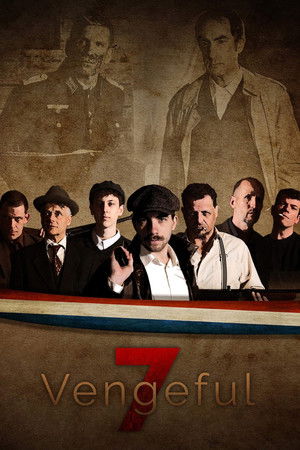
June 1944. Allied troops have landed in Normandy and are fighting in France. A group of seven Dutch resistance fighters is given an important mission to help the Allied advance. However, the mission goes completely wrong and while the resistance fighters regroup at their hiding place, they begin to suspect that there is a traitor in their midst.
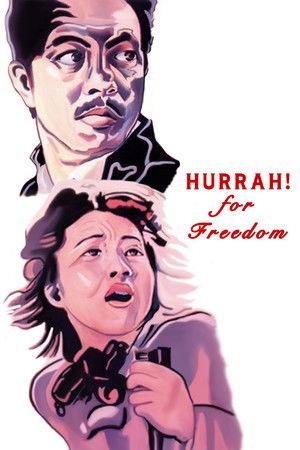
During the country's occupation Choi was only allowed to make Japan-friendly films, but the plot of Hurrah! For Freedom is distinctly different, telling the story of a Korean resistance fighter in 1945.
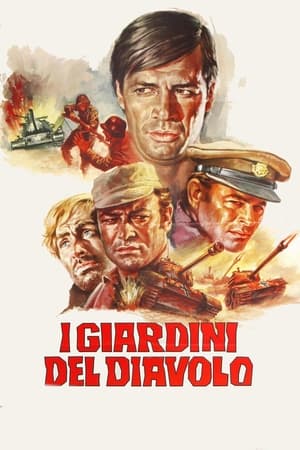
Major Briggs, one stiff upper-lipped Brit, receives a hand-to-head treatment in a North African bar. Impressed, he recruits the most skilled American specialists to help him blow up Rommel's most treasured ammo depot. Perilous desert journey awaits them, especially given an inevitable rendezvous with one immoral priest, a German nurse right beside him.
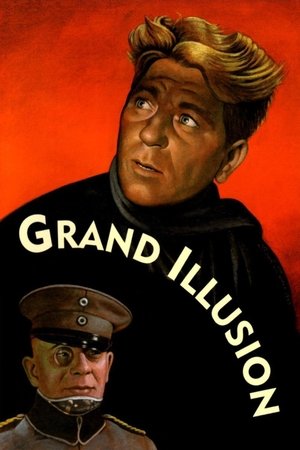
A group of French soldiers, including the patrician Captain de Boeldieu and the working-class Lieutenant Maréchal, grapple with their own class differences after being captured and held in a World War I German prison camp. When the men are transferred to a high-security fortress, they must concoct a plan to escape beneath the watchful eye of aristocratic German officer von Rauffenstein, who has formed an unexpected bond with de Boeldieu.