A la diestra del cielo
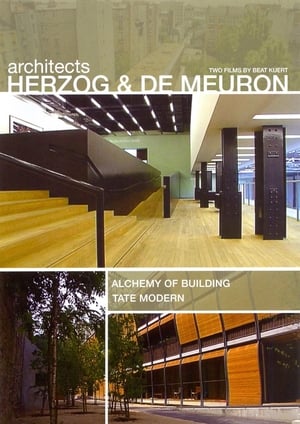
Visiting examples of Herzog and de Meurons ground-breaking style, this film reflects their capacity to astonish and explore the way in which they transform what might otherwise be ordinary through new treatments and techniques.
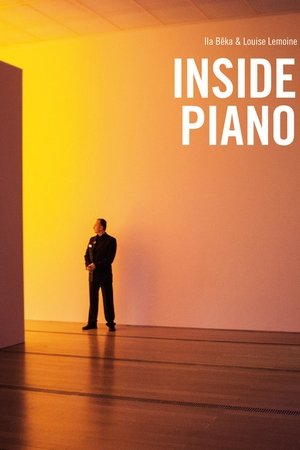
The fifth project of the Living Architectures series, Inside Piano is composed of three films on three symbolic buildings of Renzo Piano's career. A visit throughout the prototype-building of the Centre Pompidou. An immersion in the soundproof world of a submarine floating in the depths of the Parisian underground. A journey aboard a luminous magic carpet of a highly sophisticated architectural machine. A humorous, caustic and quirky point of view.
Cinéastes de notre temps : Norman McLaren
Visconti: La verdad del melodrama
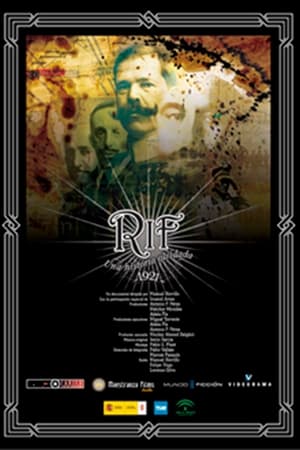
Manuel Horrillo has visited for 7 years the fields where the clashes between the Spanish troops and the rebels of the protectorate took place during the so-called Rif War, a forgotten war of the Spanish collective imaginary.
Dresdner Filmschätze - Teil 4 | Die 90er bis 2000er Jahre
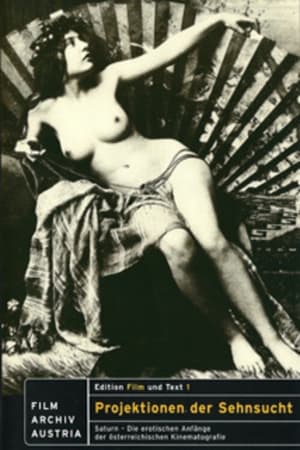
Projektionen der Sehnsucht
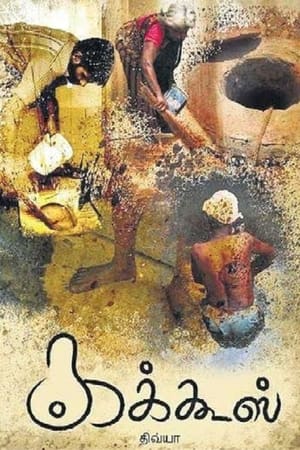
Manual Scavenging is an all India Phenomenon. However, the Government of India is kind enough to enact Prohibition of Employment as Manual Scavengers and their Rehabilitation Act and implementing many schemes. But none of them failed to work as the caste system is paramount in the so called democratic constitutional India. This film Kakkoos elaborates on the deplorable status.
Burford met Breer in February 1992 and filmed his actions. Breer manipulates some of his mutoscopes: he leafs through some cards of his film in the making, Sparkill Ave! A dome-shaped sculpture slowly moves across the space.
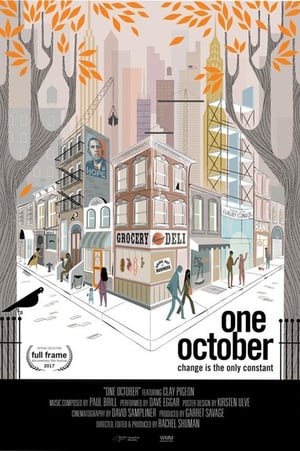
Reporter Clay Pigeon interviews New Yorkers in October, 2008.
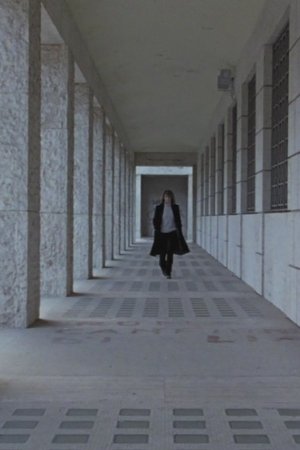
E42 is a cinematic exploration of the area in Rome knows as the EUR, a modernist landscape that was originally designated by Mussolini as the the site of the World Fair of 1942 and as a celebration of the 20 year anniversary of Fascism. Originally designed as a monumental space for public performance and collective acts of solidarity to the Fascist regime, this landscape was in fact never inaugurated. After the war, the 420 acre area was recuperated and today projects a timeless aura of an unfinished and temporary, empty and silent, monumental and imposing as well as an ephemeral landscape.
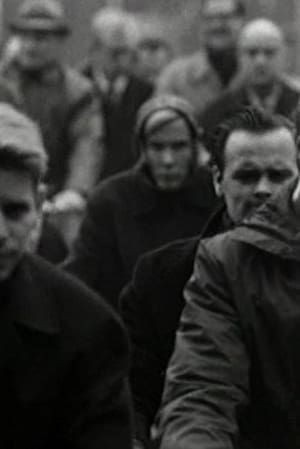
On June 14, 1977, the eve of the first democratic elections after Franco's regime, Llorenç Soler and his crew go out into the street and ask passers-by which party they are going to vote for.
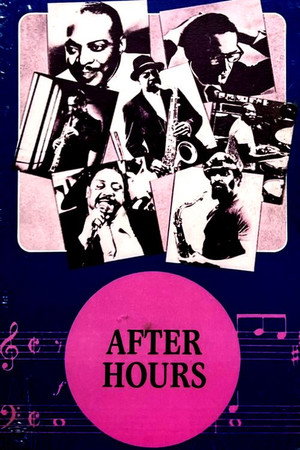
Documentary short showcasing the genius of jazz greats Coleman Hawkins, Roy Eldridge, Cozy Cole, and Milt Hinton, among others.
After a quarter-century of political denial and social stigma, of stunning scientific breakthroughs, bitter policy battles and inadequate prevention campaigns, HIV/AIDS continues to spread rapidly throughout much of the world. Through interviews with AIDS researchers, world leaders, activists, and patients, FRONTLINE investigates the science, politics, and human cost of this fateful disease and asks: What are the lessons of the past, and what can be done to stop AIDS?
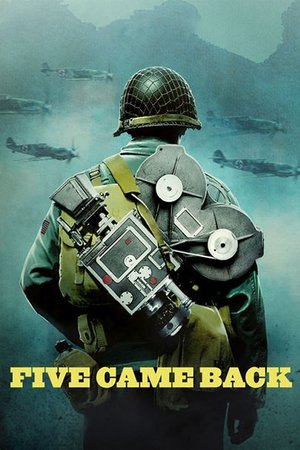
The extraordinary story of how Hollywood changed World War II – and how World War II changed Hollywood, through the interwoven experiences of five legendary filmmakers who went to war to serve their country and bring the truth to the American people: John Ford, William Wyler, John Huston, Frank Capra, and George Stevens. Based on Mark Harris’ best-selling book, “Five Came Back: A Story of Hollywood and the Second World War.”
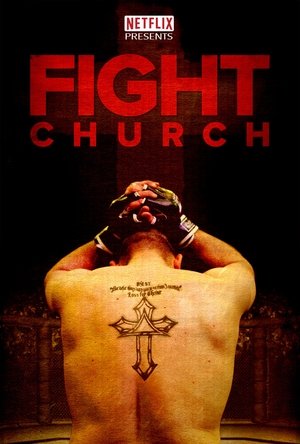
A documentary about the confluence of Christianity and mixed martial arts, including ministries which train fighters. The film follows several pastors and popular fighters in their quest to reconcile their faith with a sport that many consider violent and barbaric. Faith is tried and questions are raised. Can you really love your neighbor as yourself and then punch him in the face?
Rhythmic composition of moving photographs of cyclists in Amsterdam, ‘set’ to Vivaldi’s The Four Seasons.
The point of departure for this film is the 1981 composition De Tijd by Dutch composer Louis Andriessen. Van der Keuken leaves the music undisturbed as an autonomous soundtrack and has the images engage in a sort of battle with it. These images are associations, fragments of events, scenes and situations. The film is preceded by a text by Bert Schierbeek.
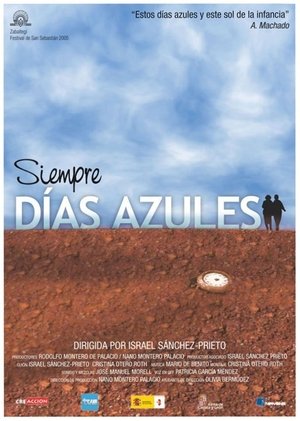
Siempre días azules