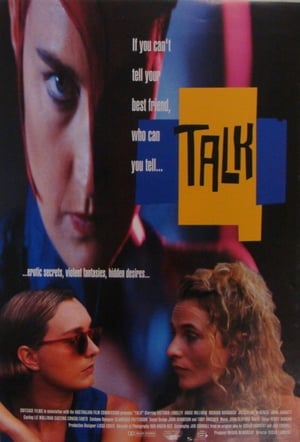
A day in the life of two women, writers of adult comics, whose intimate conversation is overheard by a total stranger
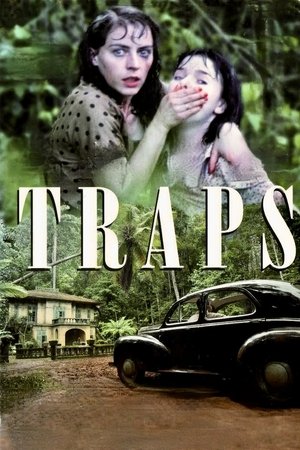
The year is 1950 and an English couple, Louise and Michael, have arrived in French-occupied Indochina to cover a story on a French-owned rubber plantation. They are to be the guests of the enigmatic plantation overseer, Daniel, and his beautiful yet difficult daughter Viola, at their elegant, decaying villa amid a tropical jungle. Michael and Louise hope that some time spent working in an exotic location will help reignite the passion in their floundering marriage. Instead they become unwittingly involved in the personal, sexual and political tensions of their hosts. Daniel is desperate to hold onto a way of life no longer possible in a country struggling for independence, bringing him into conflict with not only his daughter but also with his adopted country.
A young artist in a dark dorm room takes anxieties out of their brain and into their hands.
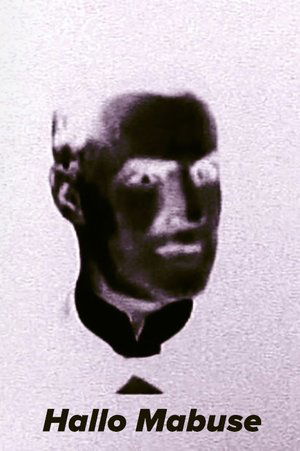
Hallo Mabuse captivates through its reduction, in which a conspiratorial narrative takes place, but even more so, the images themselves appear ambiguous, obscure, untrustworthy. A nod of the head, which seems treacherous in its mechanical repetition, meets the profile of a bearded man who does not appear to react at all in a suggested counter shot. The slight flickering of the image further intensifies the impression of an illicit agreement, of witnessing a crooked handshake. The ringing of the unseen telephone and the constant ticking of a clock lend the events a limited temporality. Something is running out, and in doing so, is also already reaching its end, a ghostly final act, which is anticipated by an explosion and breaks off with the sound of a falling guillotine.
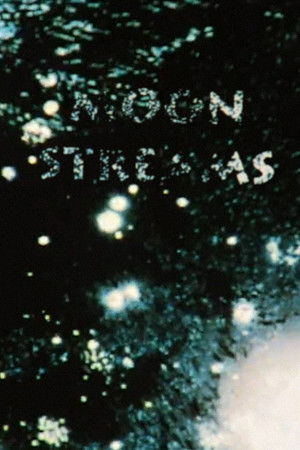
All images were shot on 16mm film in the shadow of the Ryman Auditorium on Lower Broadway, a section of Nashville that has for decades attracted country music fans to its honky tonk bars. The visual effects were composed in-camera, while shooting on the street. This film was supported in part by the Tennessee Art Commission.
This intriguing documentary shuttles from New York to France to Chicago as it traces the life story of the late Vivian Maier, a career nanny whose previously unknown cache of 100,000 photographs has earned her a posthumous reputation as one of America’s most accomplished and insightful street photographers.
A company president gets framed with a food-poisoning scandal and the only person who can help him is the evening cleaning-woman, who always seems to be at the right place at the right time.
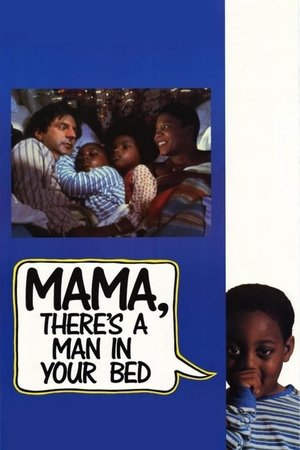
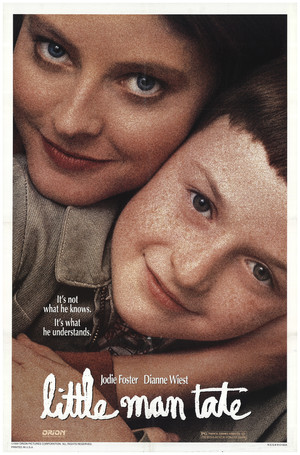
Dede is a sole parent trying to bring up her son Fred. When it is discovered that Fred is a genius, she is determined to ensure that Fred has all the opportunities that he needs, and that he is not taken advantage of by people who forget that his extremely powerful intellect is harboured in the body and emotions of a child.
Change is a process, is the starting point equal to the end point? What if everything is in a flow, what meaning of value of life can be derived from the intercomnectedness of all things?
Intrinsic
The film builds up a surface tension that seems quite rocky and solid. This surface gradually begins to crumble and a bubbling of dusty gold begins, like a geyser, to break up this tension. The surface of paints and rhythms flows with the water and everything inside of the body of work spills out until electrical creative charges accompany the liquid gold and rock. Suddenly, out of this storm comes a red and yellow explosion of warmth and creativity, spilling out over the body like a lava flow.
Four female cons who have formed a band in prison get a chance to play at a police ball outside the walls. They take the chance to escape. Being on the run from the law they even make it to sell their music and become famous outlaws.
A young woman lives with her sleeping husband. Prisoner of her loneliness, she refuses to accept that this man is only a memory.
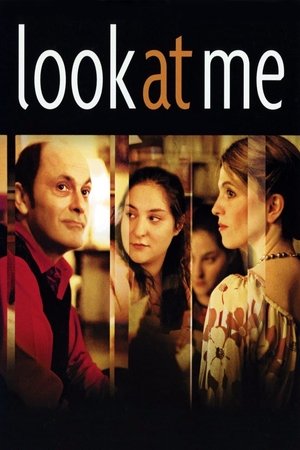
Talented 20-year-old Lolita dreams of a singing career. But her self-esteem is low due to her weight problem and her narcissistic father, Étienne, a literary star with scant interest in his daughter's life. Lolita finds little comfort in the attentions of her vocal coach, suspecting the woman is using her to meet her influential father. Étienne's second wife proves to be Lolita's only trustworthy ally in her private battle to find a sense of worth.
A struggling actress with an affinity for horses meets wealthy rock music promoter and stable owner Digby Olsen.
During the evacuation of British troops from Dunkirk in 1940, a young woman takes her motorboat to join the flotilla to rescue soldiers and also to search for her husband, a British soldier who was fighting in France and who may be among the troops waiting to be rescued.
Mario and Kike hook up on a dating app. What initially was never meant to be more than a sex date will turn into something else, in spite of their different ways of viewing their bisexuality and how they both cope with it in their respective social circles.
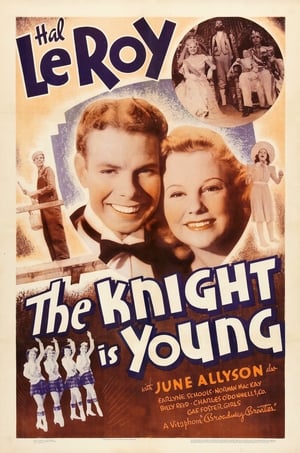
June never leaves her apartment, which has a view of an advertising sign of a knight in shining armor. She is two weeks behind in her rent and believes that if she leaves the apartment, the landlord will never let her back in. The only way she gets food is when her friend, singer Earlayne Schools, brings it to her. One evening June sees Hal, a tap-dancing sign painter, painting over her knight. She explains her predicament, and he does his best to help her out.
When Sam, a woman mired in regret, goes to visit her aged parents, the disappearance of her mother's pet bird threatens to unravel her tenuous hold on life.
The Boyg is the voice within that whispers go around, preventing you from facing yourself, suffocating progress and initiative. A six minute visual and musical remix of Ibsens Peer Gynt, Norwegian Folklore, Edvard Griegs composition, paralyzing panic attacks and The Great Boyg itself who finds us all.