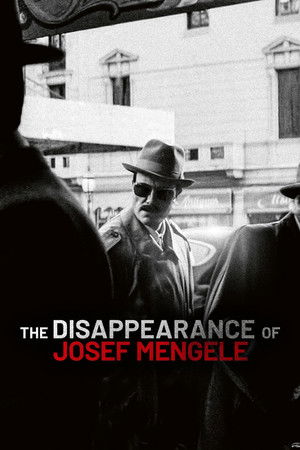
In the aftermath of the Second World War, Josef Mengele, the Nazi doctor at Auschwitz, escapes to South America to rebuild his life in hiding. Through the eyes of his son who finds him again, Mengele is confronted with a past he can no longer ignore. From Buenos Aires to Paraguay via Brazil, the man who became known as “The Angel of Death” will organize his methodical disappearance to avoid any form of trial.
Set in 1945 at the end of World War II. Saku arrives on Kakeromajima as the head of navy special forces. He is admired by the children on the island and he is interested in learning the island song as well as drinking with his men. Toe is an elementary school teacher on Kakeromajima and she has feelings for Saku.
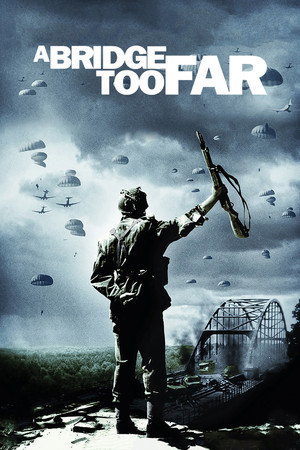
The story of Operation Market Garden—a failed attempt by the allies in the latter stages of WWII to end the war quickly by securing three bridges in Holland allowing access over the Rhine into Germany. A combination of poor allied intelligence and the presence of two crack German panzer divisions meant that the final part of this operation (the bridge in Arnhem over the Rhine) was doomed to failure.
Four corrupted fascist libertines round up 9 teenage boys and girls and subject them to 120 days of sadistic physical, mental and sexual torture.
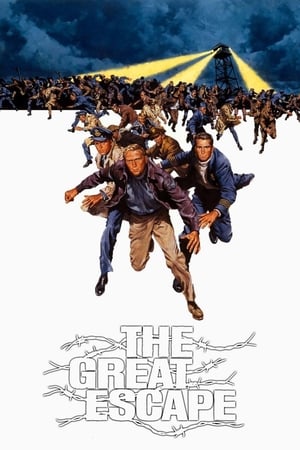
The Nazis, exasperated at the number of escapes from their prison camps by a relatively small number of Allied prisoners, relocate them to a high-security 'escape-proof' camp to sit out the remainder of the war. Undaunted, the prisoners plan one of the most ambitious escape attempts of World War II. Based on a true story.
It was one of the great crimes of the Second World War: from 1941 to 1944, a total of 872 days, the siege and starvation of Leningrad by the German Wehrmacht on Hitler's orders lasted. Over a million people fell victim to the blockade, most of them dying of hunger. Countless of these starving people wrote diaries with the last of their strength, and cameramen filmed in the paralyzed city. Evidence from the hell of the siege, many of the film recordings, but above all the written memories on which this documentary on the occasion of the 80th anniversary of the liberation is based, remained under lock and key after the war. The voices of those who had suffered through this terrible time should not be heard by anyone, because they did not fit the pathos of the Leningrad heroic song that was officially sung. Most of the recordings come from women. The writers feared neither the enemy nor the Communist Party or Stalin, who often proved incompetent in providing for the population.
This story from the time of the occupation tells how the students of the teachers' institute decided to hold a traditional ball despite the ban. However, they had to cope with conditions more than threatening: the presence of Nazi thugs who intend to execute captured partisans as a warning...
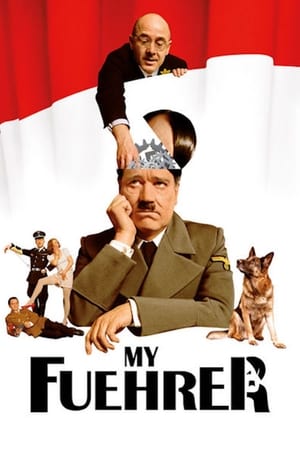
Hitler no longer believes in himself, and can barely see himself as an equal to even his sheep dog. But to seize the helm of the war he would have to create one of his famous fiery speeches to mobilize the masses. Goebbels therefore brings a Jewish acting teacher Grünbaum and his family from the camps in order to train the leader in rhetoric. Grünbaum is torn, but starts Hitler in his therapy ...
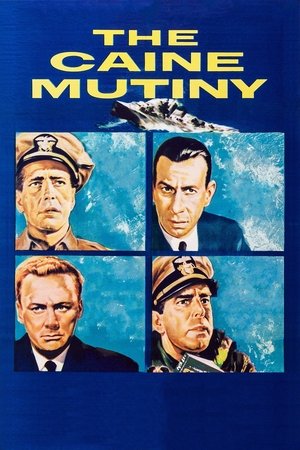
When a US Naval captain shows signs of mental instability that jeopardize his ship, the first officer relieves him of command and faces court martial for mutiny.
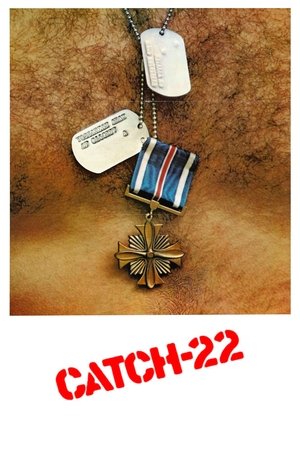
A WWII military pilot makes a valiant effort to be certified insane in order to be excused from flying missions. But there's a catch.
In 1930s fascist Italy, adolescent Luca just lost his mother. His father, a callous businessman, sends him to be taken care of by British expatriate Mary Wallace. Mary and her cultured friends - including artist Arabella, young widow Elsa, and archaeologist Georgie - keep a watchful eye over the boy. But the women's cultivated lives take a dramatic turn when Allied forces declare war on Mussolini.
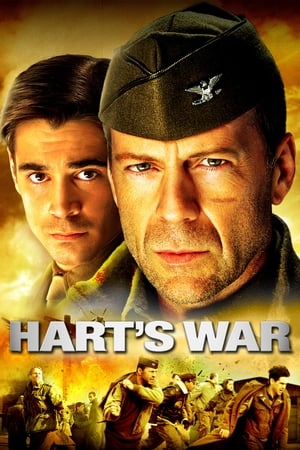
When Col. William McNamara is stripped of his freedom in a German POW camp, he's determined to keep on fighting even from behind enemy lines. Enlisting the help of a young lieutenant in a brilliant plot against his captors, McNamara risks everything on a mission to free his men and change the outcome of the war.
Recently widowed well-to-do Laura Henderson purchases the Windmill Theatre in London as a post-widowhood hobby. After starting an innovative continuous variety review, which is copied by other theaters, they begin to lose money. Mrs Henderson suggests they add risqué burlesque acts similar to the Moulin Rouge in Paris.
In an attempt to assassinate Hitler, four American soldiers pretend to be Nazi's and sneak into enemy territory.
A story set in the 1940's about a young female mechanic, bent on becoming a skilled automotive engineer, who is forced to give up her job in the family garage when her soldier brother returns home from World War II.
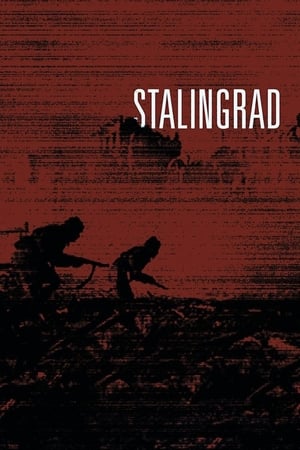
A German Platoon is explored through the brutal fighting of the Battle of Stalingrad. After half of their number is wiped out and they're placed under the command of a sadistic captain, the platoon lieutenant leads his men to desert. The platoon members attempt escape from the city, now surrounded by the Soviet Army.
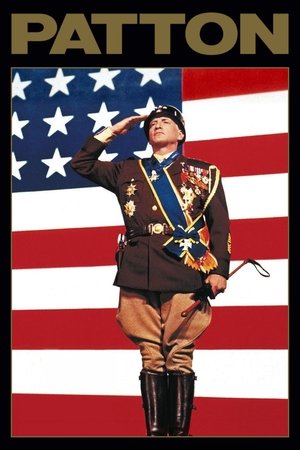
"Patton" tells the tale of General George S. Patton, famous tank commander of World War II. The film begins with Patton's career in North Africa and progresses through the invasion of Germany and the fall of the Third Reich. Side plots also speak of Patton's numerous faults such his temper and habit towards insubordination.
The dramatic story of the life of Slovak boatmen on the Danube during World War II is depicted through the eyes of a six-year-old boy who is forced by the events of the war to spend a dark time with his grandparents in the village. Despite the fairy-tale-sounding title, this film takes place at the end of the war in the Slovak countryside during World War II, and its child hero is the son of a Danube boatman who experiences incredible adventures. The Little Lifeguard's Lamp ranks among children's films that seek speciality in the realities of war. It explores both a children's world with a shifted lens of perception and the impact of battles interfering in the lives of the youngest.
A small unit of American soldiers sent behind enemy lines to locate the wreckage of an unidentified object. The mission quickly becomes a psychological and moral reckoning, forcing the men to confront fear, loyalty, and the consequences of the unknown.
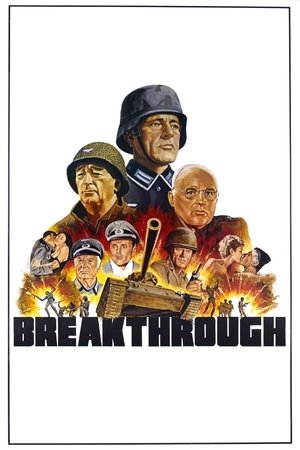
Starting in late May 1944, during the German retreat on the Eastern Front, Captain Stransky (Helmut Griem) orders Sergeant Steiner (Richard Burton) to blow up a railway tunnel to prevent Russian forces from using it. Steiner's platoon fails in its mission by coming up against a Russian tank. Steiner then takes a furlough to Paris just as the Allies launch their invasion of Normandy.