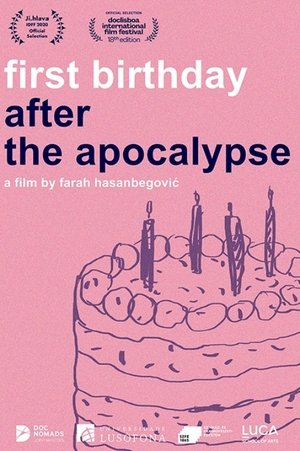
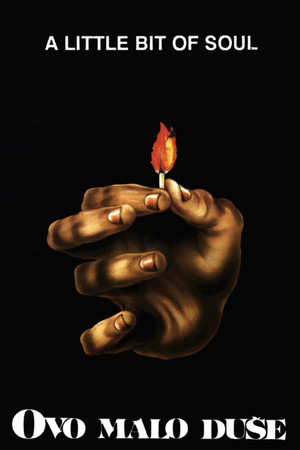
In her autobiographical documentary, the young director uses cartoon impressions, photographic memories, and the various stages of baking a cake to draw the viewer into her own stream of consciousness, and using images full of kindness, tenderness, and playfulness, she deals with the sadness that began during a children's birthday party many years ago.
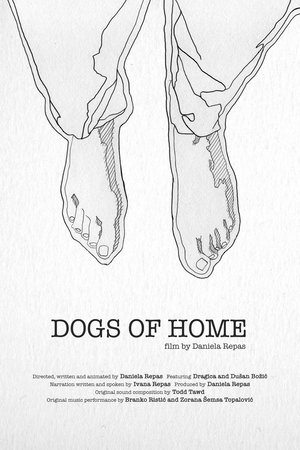
Bosnia was divided by war in the 1990s. The older population stayed while the younger population left. The film’s two mediums, documentary and animation, fluctuate along the border of two worlds, which separated time and historical events but are united by a longing for home and family. People are like dogs: they never forget their way home.
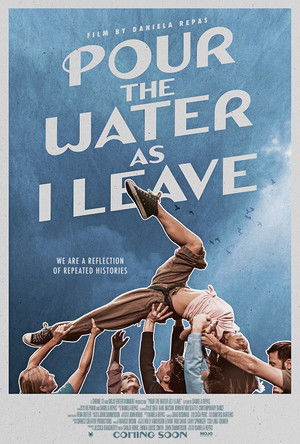
A surreal exploration of the war in Bosnia told through the unbreakable spirit of seven of her people whose strength to leave was as powerful as the fight to stay. Through the lens of diaspora, the film captures not just the weight of displacement, but the defiant act of survival and the unwavering pursuit of home, no matter where the journey leads.
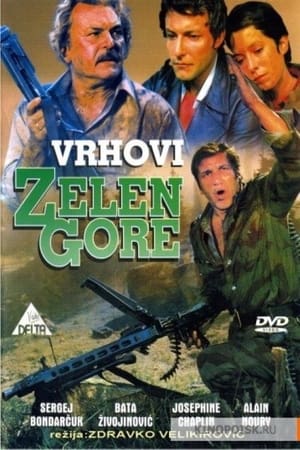
During the Battle of Sutjeska, partisan troops must endure 24 hours of big and heavy attacks on German units Ljubino grave, to the main Partisan units, with the wounded and the Supreme Headquarters, pulled out the ring that is tightened around them.
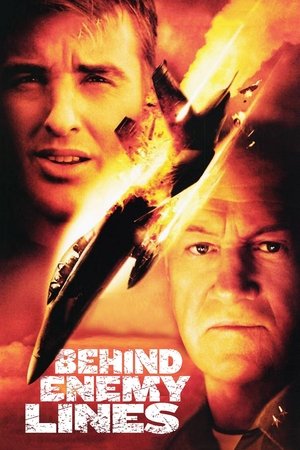
While flying a routine reconnaissance mission over Bosnia, fighter pilot Lt. Chris Burnett photographs something he wasn't supposed to see and gets shot down behind enemy lines, where he must outrun an army led by a ruthless Serbian general. With time running out and a deadly tracker on his trail, Burnett's commanding officer, Admiral Reigart, decides to risk his career and launch a renegade rescue mission to save his life.
Two soldiers from opposite sides get stuck between the front lines in the same trench. The UN is asked to free them and both sides agree on a ceasefire, but will they stick to it?
Living Death Camps describes the condition of two former concentration camps located in the territory of ex-Yugoslavia: the World War II-era camp of Staro Sajmište, and the camp of Omarska, dating from the Yugoslav war. Both are presently inhabited and used for other purposes. Living Death Camps names a collaborative project that seeks to investigate the complex material and political issues currently unfolding around these two sites, and to understand the politics of commemoration in which each of them is embroiled.
A personal interpretation of the blockade of Bosnia and Herzegovina's capital.
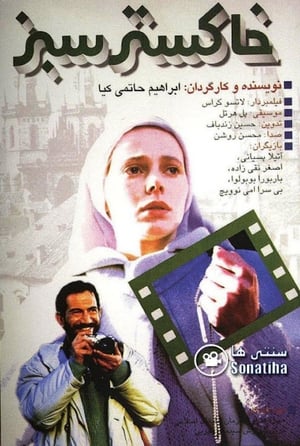
A filmmaker named Hadi is sent to Croatia to complete his research for a film. Aziz, Hadi’s friend, gives him a cassette tape, a piece of image, and a half a piece of plaque in order to find a girl named Fatima. Alongside a Farsi-speaking Bosnian woman, Hanifa, Hadi begins his quest for Fatima.
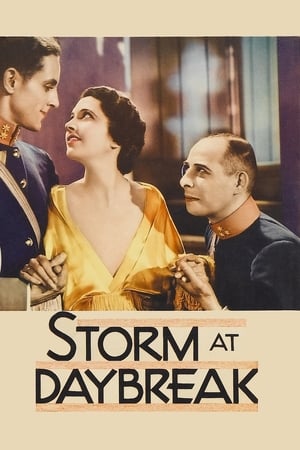
Sarajevo June 28, 1914. Dushan, the Serbian mayor of a Hungarian town, has come to see the parade of Archduke Ferdinand. While there he runs into Geza, an old friend in the Hungarian Army and invites him to come to his house and visit him and his new wife.
The carnage in Sarajevo provides the focus of this French documentary which seeks to call attention to the terrible conflict in the hopes of finally ending it. The film is divided into five parts. Each part covers a time frame ranging from April 4, 1992, the beginning of the war, to the present. The major issues that occur are three-fold. It depicts the systematic genocide of Bosnians, the silence of Western countries, and the determination of the Bosnians to resist. They refuse to be seen as victims, even though the filmmakers portray them so. Also included are the origins and political aspects of the war. It offers interviews with participants. It also reveals how the U.S. State Department censored reports about Serbian death camps.
A bitter coming-of-age story about boy who grows up in a remote Bosnian village shortly after World War II.
Three intertwined stories about Serbian truck driver who is involved into drug trafficking without knowing, Czech family who live by the road which makes them a lot of troubles since many cars crash into their house, and a bus full of Swedish grannies who go on a Trans-European package holiday.
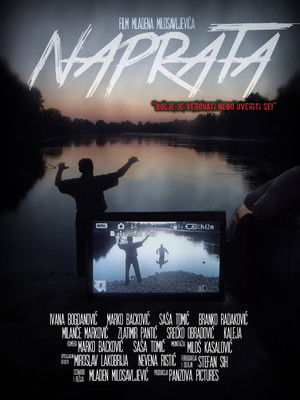
Inspired by an infamous online video clip of a son beating his mother, a television crew from Belgrade comes to a remote Serbian village to shoot a report on violence against women. Inquiring with the locals about the protagonists of the video, they encounter a local expert on supernatural phenomena and learn about a ritual of summoning an ancient demon, naprata. Wanting to capture the first authentic footage of something otherworldly, they change their plans. Excited by the prospective success of the recording, they defy the old saying that "it's better to believe than to be convinced."
It's cold up on Mount Manjaca. "In the winter it snows, there's nowhere to go," says the central figure in Celebration. "We have to wait until someone comes to clear the road. Sometimes they come, and sometimes they don't." He diligently ploughs the knee-high snowdrifts as the wind howls at his ears.
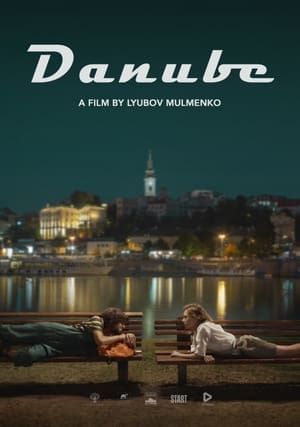
The introvert Russian girl Nadia goes on holiday to Belgrade, inhabited by extrovert Serbians. She lives according to a plan, while the Belgraders live for joy. At first, Nadia is involved with the local guy Nesha, and then with his relaxed, semi-vagrant way of life. She takes the impulsive decision to give up her dull job and Moscow for the sake of love, freedom and Belgrade. Both this love, and this freedom must undergo the test of reality, which is always more difficult than our expectations.
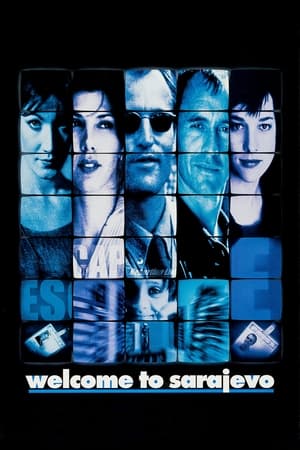
Follow a group of international journalists into the heart of the once cosmopolitan city of Sarajevo—now a danger zone of sniper and mortar attacks where residents still live. While reporting on an American aid worker who’s trying to get children out of the country, a British correspondent decides to take an orphaned girl home to London.
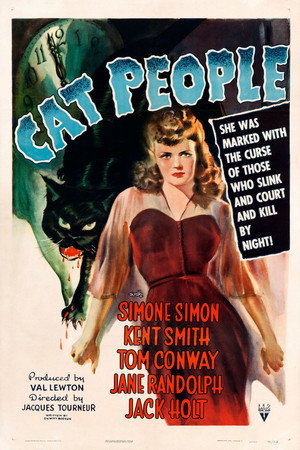
A Serbian émigré in Manhattan believes that, because of an ancient curse, any physical intimacy with the man she loves will turn her into a feline predator.
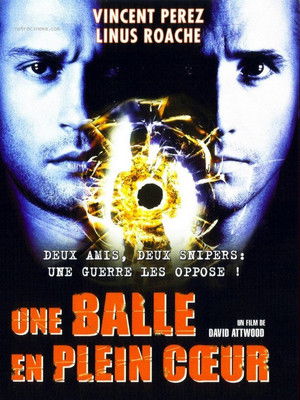
The horrors of war are examined from the view points of lifelong friends (Linus Roache, Vincent Perez), who end up on opposing sides in the civil war in Sarajevo. One is an expert marksman, who trains the snipers used to terrify the city and the other becomes a freedom fighter, who rejects his friend's offer to gain an escape from the city. As might be expected, the two eventually have to face-off against one another.
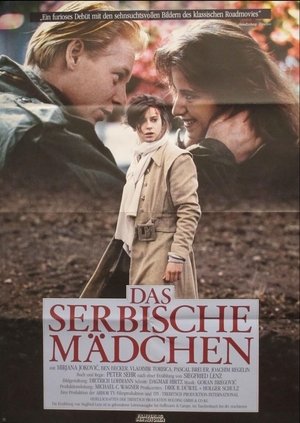
The naive 18 year old Dobrila leaves her little Serbian village to travel to Hamburg, Germany, where her boyfriend lives. The trip is not easy. Finally in Hamburg she has to realize her boyfriend is not very interested in a relationship. She doesn't tell him she's pregnant and starts on her way home to Serbia, which turns out to be even more exhausting.