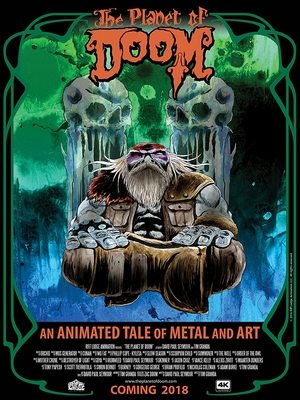
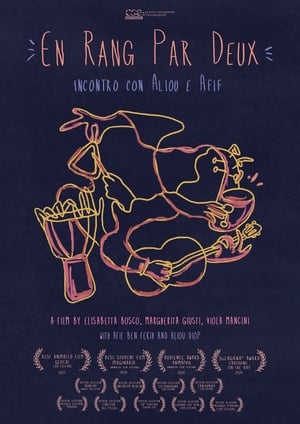
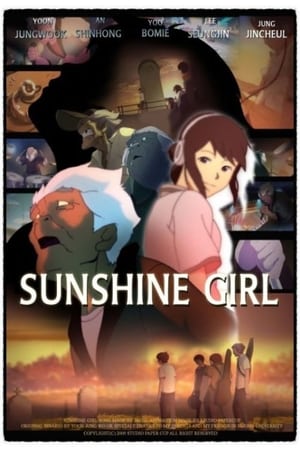
A street musician who lives in poverty and loneliness. After an encounter with a stray dog, his life is about to take another turn.
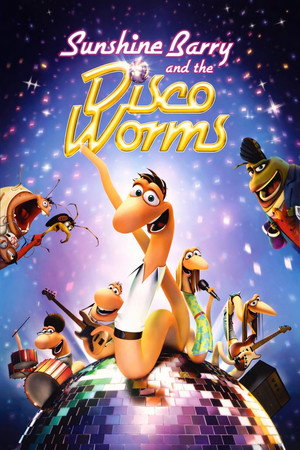
It's not easy to be Barry. An earthworm gets no respect. He lives at the bottom of the food chain. But one day, an old disco record turns his life upside down. Suddenly he sees before him his own destiny, the star of the world's greatest disco band: Sunshine Barry & The Disco Worms! Okay, he's got no arms, no rhythm and no band. But as Barry says: "We'll do it anyway!"
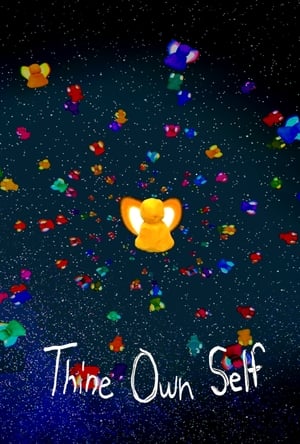
In the darkness of a cave, one man who had never seen even his own figure found a hollow flooded with light. An expression of a chaotic world. This experimental graduation film is a mixture of different animation techniques
Two dancers in an animated short, drawn by hand. Beautifully animated in 1250 drawings.
Utilizing the 1920s jazz vocals of Annette Hanshaw, the epic Indian tale of exiled prince Ramayana and his bride Sita is mirrored by a spurned woman's contemporary personal life, and light-hearted but knowledgeable discussion of historical background by a trio of Indian shadow puppets.
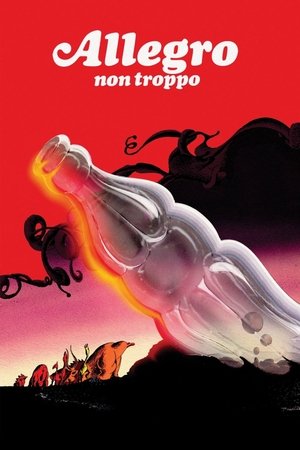
The film is a parody of Disney's Fantasia, though possibly more of a challenge to Fantasia than parody status would imply. In the context of this film, "Allegro non Troppo" means Not So Fast!, an interjection meaning "slow down" or "think before you act" and refers to the film's pessimistic view of Western progress (as opposed to the optimism of Disney's original).
Walt Disney animation animated cartoon musical compilation ("The BIG Parade of MIRTH and MELODY"; "Offering hits re-released from 'Make Mine Music' and 'Melody Time'"; featuring cartoons from the 1946 musical, "Make Mine Music," and the 1948 musical "Melody Time") featuring Donald Duck, Joe Carioca, and other Disney cartoon characters, and also songs by Fred Waring and his Pennsylvanians, Benny Goodman and His Orchestra, Frances Langford, Roy Rogers and Trigger, The Andrews Sisters (Laverne, Maxene, and Patty Andrews), Freddy Martin and his orchestra, Sons of the Pioneers, Jerry Colonna, and Ethel Smith
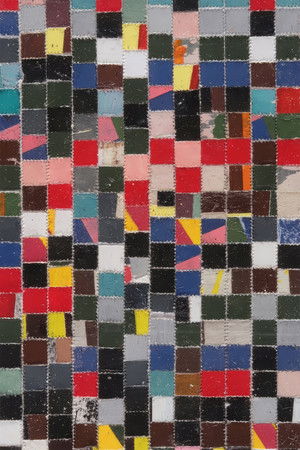
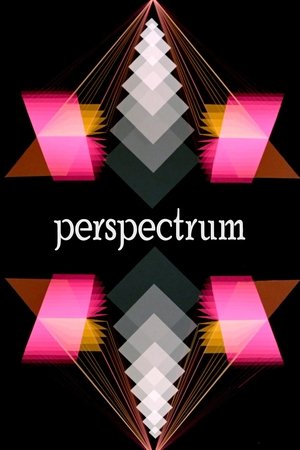
This is no animation, it's one picture. Short experimental film by Mirai Mizue
This short experiments with the flow of oil ink over the surface of the water. Mizue manipulated the ink by blowing with straws or stirring with toothpicks and used stop motion animation techniques to shoot the resulting effects.
A surreal short animation by Mirai Mizue.
This newly rediscovered short was created in Jim's home studio in Bethesda, MD around 1961. It is one of several experimental shorts inspired by the music of jazz great Chico Hamilton. At the end, in footage probably shot by Jerry Juhl, Jim demonstrates his working method.
An abstract animated film inspired by the work of jazz musician Chico Hamilton.
A young stag, lacking impressive antlers, must improvise with sweet music in order to have any chance during the mating season.
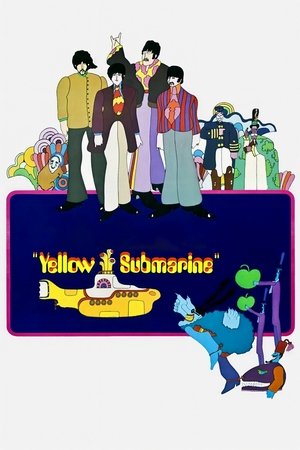
The wicked Blue Meanies take over Pepperland, eliminating all color and music. As the only survivor, the Lord Admiral escapes in the yellow submarine and journeys to Liverpool to enlist the help of the Beatles.
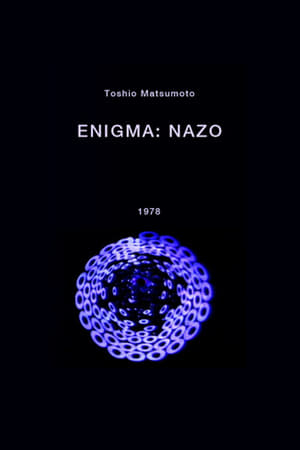
Enigma is something of a more glamorous version of White Hole, with a wide variety of elaborate textures (often composed of iconographic and religious symbols) converging towards the centre of the screen.
The official website for the Tiger & Bunny anime announced on Friday that the Pacifico Yokohama's National Convention Hall of Yokohama is hosting special Tiger & Bunny concerts with a new short anime on September 19 and 20. The franchise's composer Yoshihiro Ike is personally conducting the "Sternbild Orchestra & Band" for live performances of music from the television series and two films.
The adventures of the wandering musicians from Bremen such as Troubadour, Donkey, Dog, Cat and Rooster. In one of the towns Troubadour falls in love with a Princess and makes up a plan how to get the King's confidence.
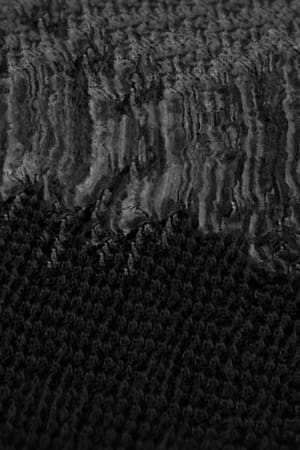
Three memories that become one. An attempt to merge heterogeneous materials: a film sequence shot in Rome, a photo from the 1930s, a noisy soundtrack. Fragmented lines, exploding bass frequencies and flickering.
Untitled / Aubrac
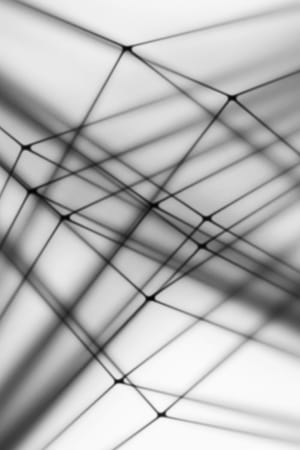
Claire is composed of digital scans and blow-ups of a series of three ink-on-paper artworks created in 2012 by French-Spanish researcher, publisher and artist Claire Latxague. While collecting drawings, written documents and other printed materials for a (yet unreleased) project called Un film de papier, I’ve stumbled upon Latxague’s artwork, entitled À la renverse. The blow-ups were made in an attempt of unearthing cartographic imagery in abstract compositions.