It's war. War against an invisible enemy that is not as deadly as we are told. The world is changing rapidly. Disproportionate measures are taken worldwide that disrupt society as a whole. A dichotomy in society forced vaccinations and restrictions on freedom. Have we had the worst? Or is there something more disturbing to awaiting us.
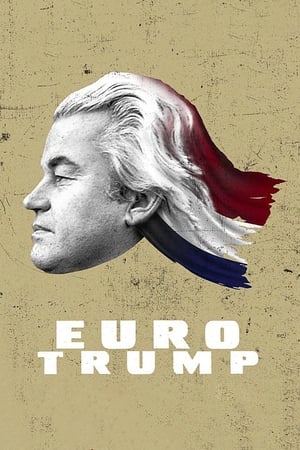
For months, the FBI have been investigating Russian interference in the American presidential elections. ZEMBLA is investigating another explosive dossier concerning Trump’s involvement with the Russians: Trump’s business and personal ties to oligarchs from the former Soviet Union. Powerful billionaires suspected of money laundering and fraud, and of having contacts in Moscow and with the mafia. What do these relationships say about Trump and why does he deny them? How compromising are these dubious business relationships for the 45th president of the United States? And are there connections with the Netherlands? ZEMBLA meets with one of Trump’s controversial cronies and speaks with a former CIA agent, fraud investigators, attorneys, and an American senator among others.
The film Together we cycle investigates the critical events that has led to the revival of the Dutch cycling culture. For most people, cycling in the Netherlands, seems a natural phenomenon. However, until the 1970s the development of mobility in the Netherlands followed trents across the globe. The bicycle had had its day, and the future belonged to the car. The only thing that had to be done was to adapt cities to the influx of cars. Then Dutch society took a different turn. Against all odds people kept on cycling. The question why this happened in the Netherlands, has not an easy answer. There are many factors, events and circumstances that worked together, both socially and policy-wise. In Together we cycle, key players tell the story of the bumpy road which led to the current state. Where cycling is an obvious choice for most citizens.
From schools and offices to hospitals and streets, cleaners are working everywhere, tirelessly and modestly. They work hard and keep society running. Invisible confronts viewers with their own involvement and reveals the price paid for the appearances we cherish.
This FitzPatrick Traveltalk series short looks at Czechoslovakia before World War II, including images of bridges, churches, and castles in Prague, also a non-military parade through the city.
This Traveltalk series short takes a look at Cairo's landmarks, people, and culture.
A woman narrates the thoughts of a world traveler, meditations on time and memory expressed in words and images from places as far-flung as Japan, Guinea-Bissau, Iceland, and San Francisco.
This Traveltalk series short takes viewers on a tour of old New Mexico. Starting in Santa Fe, the oldest state capitol in the USA, the city existed long before European migration. It's unique architecture is its most prominent feature. There are several archaeological sites trying to date when Indians first settled in the area. Seven percent of the population are of Indian origin. Near Taos is the onetime home of Kit Carson whose grave is one of the sacred shrines of New Mexico. The Navajo live on their 14 million acre reservation and continue their traditional way of life.
This Traveltalk short visits southern Mexico.
The drive from Riverside, California to Phoenix, Arizona is affectionately known as the Cactus Trail. Starting in Riverside, sights of note include: the Mission Inn in Riverside whose unique style was the brainchild of Frank Miller; the Chapel of St. Francis in Riverside, which because of its dedication to aviation is the site of many weddings associated with aviators; the Camelback Mountain outside of Phoenix, so named for its shape.
This Traveltalk series short starts off in Denver, capital of Colorado. Known as a recreational and health center, it is noted for its beautiful parks. The Museum of Natural History has specimens of local animal life. About an hour's drive from Denver on Lookout Mountain is the grave of Col. William Cody, 'Buffalo Bill', known as a scout and a plainsman. In Colorado Springs, there is a monument to the great American humorist Will Rogers who loved the stretches of open country. Much of the mountain area of Colorado is owned by the Federal government as national forest and there are many well stocked trout streams. In Mesa Verde National Park you will find the cave dwellings once used by Native Americans.
A tour of Salt Lake City, Utah.
A visit to the structures built by the ancient Mayans at Chichén Itzá, on the Yucatán Peninsula.
This Traveltalk series short visits two of the most important cities on Mexico's Yucatán Peninsula.
James A. FitzPatrick takes a look at colorful Guatemala.
This Traveltalk short takes the viewer to Madeira Island, the largest of the group of Madeira islands in the Atlantic Ocean.
This Traveltalk series short highlights such Maryland destinations as Baltimore, Johns Hopkins, Annapolis, and Fort McHenry.
Lake Patzcuaro, located 230 miles west of Mexico City, is one of the highest and most picturesque bodies of water in Mexico. The heritage of the indigenous peoples of the area, the Tarascans, still prevails, such as the production of lacquer-ware handicrafts, and the means of hunting and fishing, the latter which uses nets shaped like large butterfly wings. Although most current day Tarascans are Roman Catholic, they have not totally abandoned their indigenous pagan gods. On Janitzio, one of the many islands in the lake, stands a large statue commemorating José María Morelos, a prominent figure in Mexican liberation and a great benefactor to the Tarascans. Janitzio is also the inspiration for many famous paintings. The town of Tzintzuntzan just inland from the lake's shore acts as the regional center for the market and for festivals.
This FitzPatrick Traveltalk series short visit to St. Louis, Missouri starts with a brief history lesson. We then see several of the city's architectural landmarks and the many types of vessels that travel on the Mississippi River. Time is also spent at the zoological garden in Forest Park, where we see rhinoceros, giraffes, polar bears, giant pandas, and a group of trained elephants.
This Traveltalk series short visits various places around the United States. At the first stop, we admire the natural beauty of Crater Lake in Oregon. The next stop is the open pit copper mine at Bingham Canyon, Utah, the world's largest copper mine. We then spend time in Hannibal, Missouri, the hometown of author Mark Twain. After a short visit to a log-rolling contest in Washington State, we cross the country to get a view of Washington, DC from across the Potomac River. The final stop on this tour is Arlington National Cemetery, where we see the Tomb of the Unknown, Arlington House, and the mast of the USS Maine, which was sunk in 1898 in Havana Harbor.