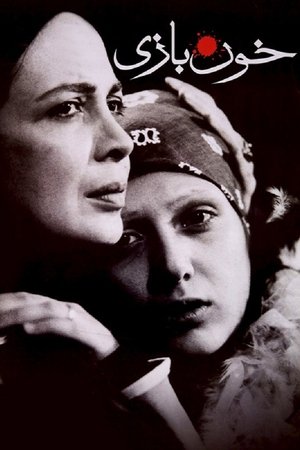
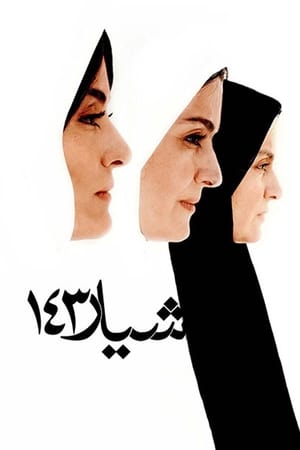
The uneasy relationship between a mother and daughter is made all the more turbulent by drug abuse in this downbeat drama from Iranian filmmakers Rakhshan Bani-Etemad and Mohsen Abdolvahab
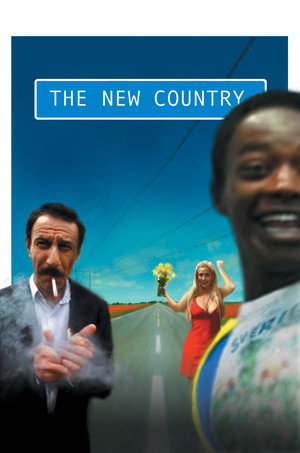
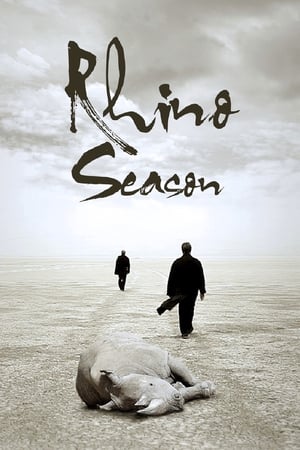
A 15-year-old Somalian boy meets a 40-year-old Iranian man in a refugee camp in Skåne, in the south of Sweden. With the threat of deportation hanging over them, they decide to take their faiths in their own hands and together they go on a journey in the Swedish summer.
Bahman, Mahtab, Ramin and Donya Mehdipour are enjoying a perfect summer in a small Finnish town. Their routines are fractured by a negative decision on their application for asylum by the Finnish Immigration Service. But life must go on and the 13-year-old Ramin is about to enter an entirely new school, junior high. The Mehdipours use their last chance to appeal but continue their everyday lives, fuelled by their exceptionally positive outlook and attitude.
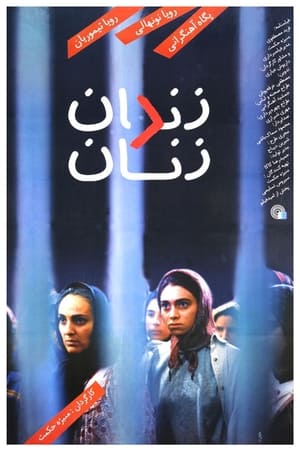
Spanning 18 years in an Iranian women's prison, this follows two women: the new prison warden, a tough as nails devout Muslim who has served in the army on the Iraqi front, and a young midwife, Mitra, who is serving her sentence for killing her mother's abusive husband. In the early years, Mitra is repeatedly punished as the warden tries to break her. This includes punishment for delivering a baby in the prison cell while all of the prison staff has taken shelter during an Iraqi bombing. The warden's attitude starts to change after 8 years, when Mitra tries to protect a new inmate from rape at the hands of her older cellmates. When the baby comes back in 1991 as a 17 year old delinquent, Sepideh, the warden respects Mitra enough to protect the girl.
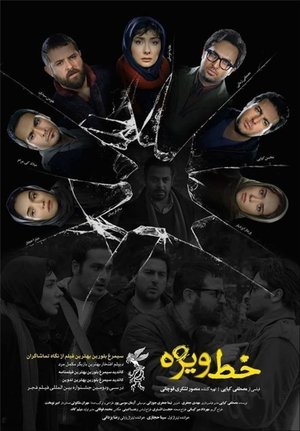
A hacker group empty a bank account of a big strong person. The story goes on and now they must pay for that.
Olfat is raising her children in hardship. She has one daughter and one son called Yonos who works in Kerman copper mine. One day, she finds a note at home with this massage "My friends and I are going to enter the war as soldiers". After reading this note, Olfat and his friend's parents got worried about their sons. When operation Valfajr failed, they received news about Yonos's friend. Olfat is waiting for her son too. As she finds out that the Iraqi radio announces the Iranian captives' names, she ties a radio on her back and carries it everywhere.
A textile factory worker struggles to keep his life together after his life is shrouded in controversy by his wife’s death. He is revered by his co-workers and at constant threat from his wife’s brother, seeking retribution for her death.
Broth Soup (Persian: آش نذری) is a 2000 Iranian film written and directed by Hossein Shahabi .
Ghost (Persian: شبح) is a 1998 Iranian drama film written and directed by Hossein Shahabi (Persian: حسین شهابی)
Bright Shadow (Persian: سايه روشن) is a 1997 Iranian drama film written and directed by Hossein Shahabi (Persian: حسین شهابی)
Elevator (Persian: آسانسور) is a 1995 social drama Iranian film, written and directed by Hossein Shahabi (Persian: حسین شهابی)
Hundred to one hundred (Persian: صدبرابرصد) is a 1995 Iranian film written and directed by Hossein Shahabi (Persian: حسین شهابی)
Tunnel 18 (Persian: تونل 18) is a 1997 Iranian Historical drama film written and directed by Hossein Shahabi (Persian: حسین شهابی)
A film written and directed by Siavash
Rain Tree (Persian: درخت بارانی) is a 2001 Iranian drama film Written and directed by Hossein Shahabi.
Echo (Persian: پژواك) is a 1997 Iranian Drama film Written and directed by Hossein Shahabi.
Wars and Treasure
Kurdish-Iranian poet Sahel has just been released from a thirty-year prison sentence in Iran. Now the one thing keeping him going is the thought of finding his wife, who thinks he's been dead for over twenty years.
In modern day Iran, a female attorney fights for the custody of her seven year old diabetic son following a divorce from her husband. When the courts rule against her, she takes desperate actions that lead to tragic events.
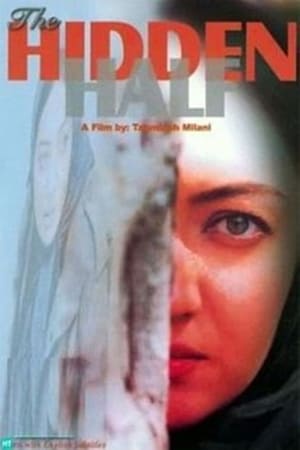
An official is sent from his home in Tehran to hear the final appeal of a woman sentenced to death, a political prisoner. The official's wife of nearly 20 years, Fereshteh Samimi, writes him a letter to read when he reaches the hotel - the story of her student days during the revolution of 1978. We see the story in flashbacks as he reads: she leaves her province on scholarship, joins a Communist youth group, avoids arrest, and comes under the sway of a suave older man, Roozbeh Javid, a literary-magazine editor. As she tells her husband about the hidden half of her life, Fereshteh asks that he listen to the woman facing execution, a woman and therefore one of Iran's hidden half.