Bajo el signo libertario is a propaganda documentary, with the script and direction of Les (known for his articles in Solidaridad Obrera and the magazine Espectáculo) whose central theme is the reconstruction of the development of life in a libertarian community in the Aragonese town of Pina de Ebro.
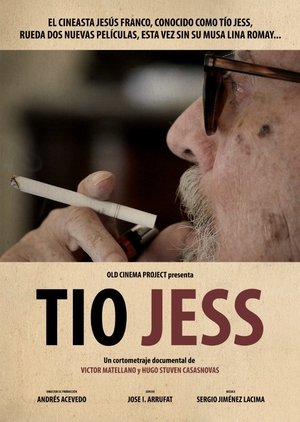
Tío Jess
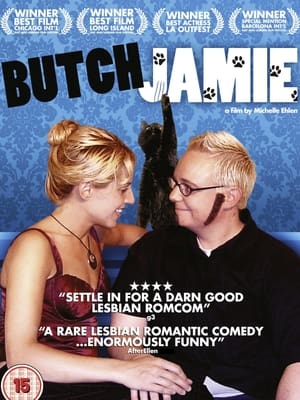
The film follows the story of Jamie, a struggling butch lesbian actress who gets cast as a man in a film. The main plot is a romantic comedy between Jamie's male alter-ego, "Male Jamie," and Jill, a heterosexual woman on set. The film's subplots include Jamie's bisexual roommate Lola and her cat actor Howard, Lola's abrasive butch German girlfriend Andi, and Jamie's gay Asian friend David.
Documentary film about artist Henri Matisse
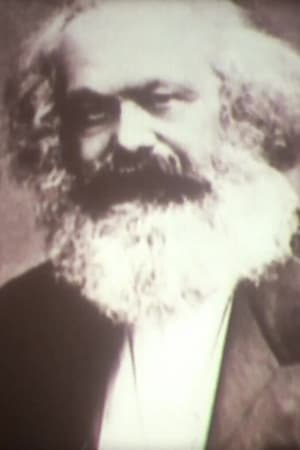
The first part of the film shows parallels between Christianity and Marxism. The second part describes the influence of both the Judeo-Christian background and that of other religious critics on Marx's position as a critic of religion. Beyond the well-known facts, this documentary not only analyzes the historical background of Karl Marx's life and work, but also deals in particular with his personal relationship to Christianity.
They thought life would be simple. All material problems would be overcome. Every morning it would be good to have breakfast together, the table laid. It would be the beginning of a long day at work. The daily ritual of a house inhabited by a mother and the two-year-old daughter. The automatism of the gestures of material life and its suspension in small events.
A medium-length documentary commissioned by the Cuenca City Council. The documentary shows an honest, sincere, although sometimes mere tourist portrait, of the lands of Cuenca and its people, without artifice or imposture, with feeling and authenticity and at the same time with marked coldness.
São Mateus is a sacred ground where many dreams are born. Many of those become great songs. The neighborhood is a stronghold of great composers who are inspired by their experience in there. Lyrics full of emotions compose the neighborhood's memory. São Mateus presents three artists telling their trajectories and how the neighborhood influenced their art.
Filmed in the Indian Himalayas and in Canada, A Song for Tibet tells the dramatic story of the efforts by Tibetans in exile, including the Dalai Lama, to save their homeland and preserve their heritage against overwhelming odds. Since the invasion of their territory by China in the late 1950s, Tibetans have been struggling for cultural and political survival.
Pensioners, lawyers, married couples and teenagers are all customers at the Angel Love Hotel in Osaka Japan. With unprecedented access into one of the most private and anonymous spaces in Japanese society, this film follows the love hotel's struggling manager and staff as the try to keep their hotel running, as well as revealing the intimate and private lives of the customers who visit.
Documentary featuring interviews with several of legendary Spanish director Luis Buñuel’s close friends and collaborators.
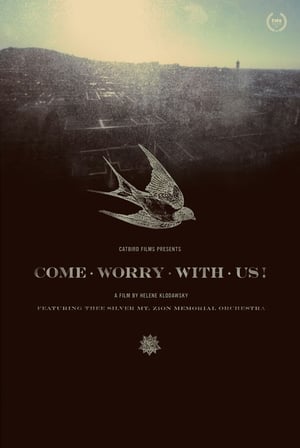
Acclaimed Montreal band Thee Silver Mt. Zion Memorial Orchestra is one of a growing number of rock groups to have accepted an infant into their touring tribe. Touring with children is both costly and complicated, yet SMZ are determined to combine family life and being on the road with the band's deep political commitment.
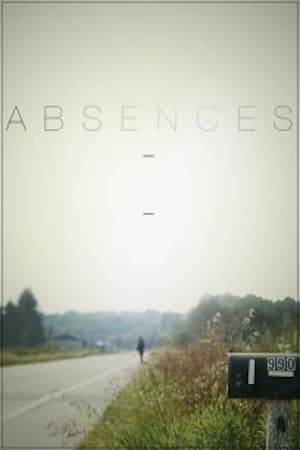
Carole Laganière dives deeply into personal territory in this beautifully crafted exploration of absence and loss and its painful effect on daily lives. Inspired by her mother’s steadily advancing Alzheimer’s and the inevitability of her estrangement, Laganière weaves their story with the stories of others wrestling with loss: Ines, an immigrant who returns to her birth country of Croatia to find the mother who abandoned her during the war; Deni, an American author who’s finally able to search for his Quebec roots; and Nathalie, who’s desperately looking for her missing sister. Through their experiences the film ponders how absence is often the catalyst for a quest—a quest for information, understanding and often acceptance. Through its many voices, Absences speaks to us of the immense fragility and resiliency of human emotions.
Moongazer's Moonlight Reverie
Les sentiers culturels
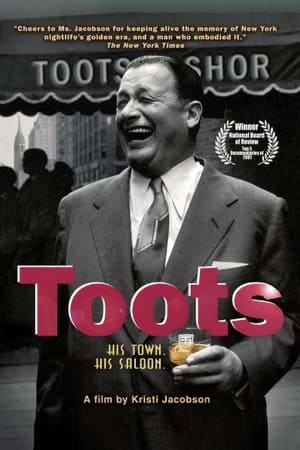
The '40s and '50s were a classic period in New York City nightlife, when the saloonkeeper was king and regular folks could drink with celebrities like Frank Sinatra and Jackie Gleason. In this documentary, Kristi Jacobson profiles her grandfather, the king of kings: Toots Shor of the eponymous restaurant and saloon, which was once the place to be seen in Manhattan. Edward R. Murrow called Toots Shor the owner of America’s greatest saloon. He became the unlikely den-mother to the heroes of America's golden age. Politicians and gangsters, sports heroes and movie stars - Sinatra, Gleason, DiMaggio, Ruth, Costello, Eisenhower, Nixon, Warren - for 30 years, they all found their way to Toots' eponymous saloon on New York's West 51st Street.
1
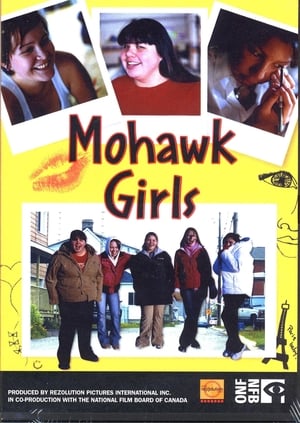
For three teenage girls growing up in Kahnawake — and indeed, all teenagers on the reserve — life can be quite confusing. If they want to move away to pursue new experiences — perhaps in nearby Montreal — they risk losing credibility, or worse yet, their rights as Mohawk women. Of course, if they stay, their opportunities in the tiny community are limited. With insight, humour and heart, director Tracey Deer (who left Kahnawake to attend school and pursue filmmaking) returns to her community to follow these Mohawk girls and tell their stories. Her deeply emotional documentary reveals the complex hope, heartache and promise of growing up Indigenous in the 21st century.
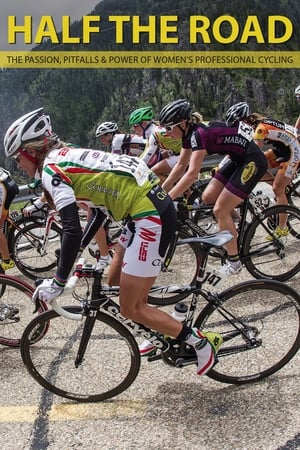
HALF THE ROAD is a documentary film that explores the world of women's professional cycling, focusing on both the love of sport and the pressing issues of inequity that modern-day female riders face in a male-dominated sport. With footage from some of the world's best races to interviews with Olympians, world champs, rookies, coaches, managers, officials, doctors and even the U.S. Surgeon General, HALF THE ROAD offers a unique insight into the drive, dedication and passion it takes for a female cyclist to thrive despite oppression. Both on and off the bike, the voices and advocates of women's pro cycling take the audience on a journey of enlightenment, depth, strength, love, humor and best of all, change and growth.
The Oystermen of Pointe a la Hache, Louisiana. This town of nearly 300 is struggling to survive following the BP Oil Spill that left their crop dead, finances in ruin and culture facing extinction. This community has a history of being overlooked by the State, and therefore, are taking matters into their own hands, to assure their voice is heard so that they may not otherwise vanish