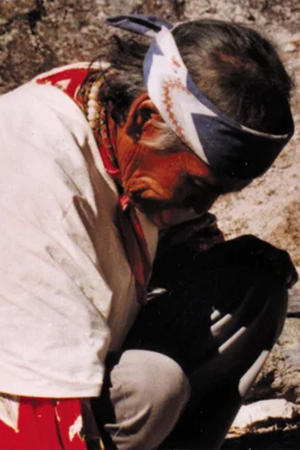
Rites of winter, rites of peyote. A creative documentary based on texts by Antonin Artaud read by Jean Rouch, and the words of the last shaman’s peyote, translated by Raymonde Carasco.
Filmed in New York in the summer of 2006: a march across the Brooklyn Bridge in support of the Palestinian and Lebanese populations. Habibi means "beloved" in Arabic.
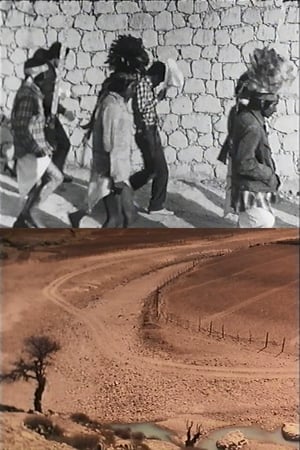
This film was shot during Easter 1985. It shows the preparation and staging of the Passion in the village of Norogachic, Mexico. The initiation rites of two Pascoleros, filmed for the first time, form the center of this document.
In this tape, Ko Nakajima and Video Earth Tokyo interview a homeless man. The subject is initially angry and frustrated, but gradually opens up and shares stories about his life. Under A Bridge was later broadcast on cable television.
An animated history of American health care provider, Planned Parenthood.
Pulitzer Prize -- winning journalist John Hersey caused a sensation when he published "Hiroshima", the first account for American readers of the horror experienced by victims of the 1945 Hiroshima atomic bomb attack. "Hiroshima" stunned readers with its descriptions of the terrible aftermath of the bombing, yet Hersey never spoke about his experience in Hiroshima.
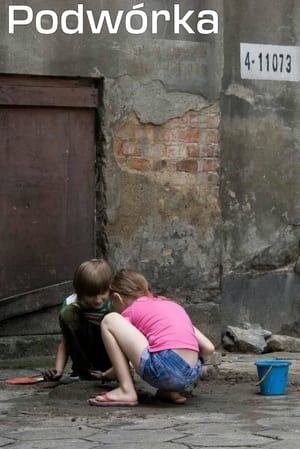
‘Podwórka’ captures six groups of neighbourhood youth as they play in seemingly deserted yards, offering an intimate portrait of daily life in Łódź, Poland. Shot with a fixed camera, this single-channel video projection highlights American artist Sharon Lockhart’s concern for the interrelationship between the still and the moving image.
They Made the Land (1938) is a documentary showcasing how land in Scotland was reclaimed and cultivated for agriculture. It explores the challenges of making a living from the land while highlighting the contributions of agricultural research and animal breeding. Produced as part of a series of seven documentaries for the 1938 Empire Exhibition, the film was created under the supervision of pioneering documentarian John Grierson.
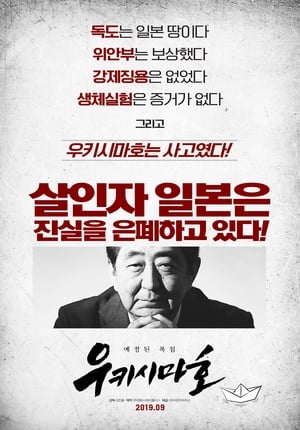
22nd of August, 1945. Japan lost the war and they loaded an 8,000 person Joseon laborer force onto a ship called the Ukisima to take them to the Busan Port. However, the ship sunk into the water due to an unknown blast. This is the story of thousands of Joseon people who dreamed of returning to their families and how they died.
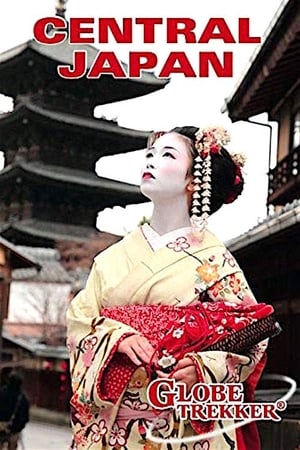
Join Megan McCormick on a journey of discovery across Japan's spectacular heartland starting in Japan's beautiful former capital Kyoto. She explores Buddhist temples, World Heritage Sites, and bargains at the city's best flea market. She then travels to Osaka, and Iga-Ueno, a former ninja stronghold, where she learns the secrets of these famously skilled assailants. She also visits the remote Sado Island and Himeji.
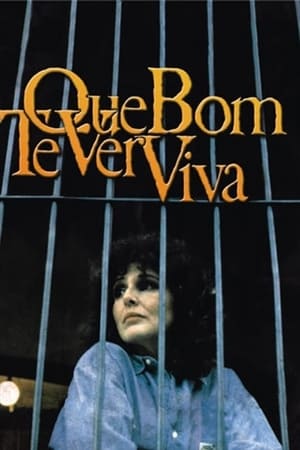
Four years after a military coup overthrew the Brazilian government in 1964, all civil rights were suspended and torture became a systematic practice. Using a mix of fiction and documentary this extraordinary film is a searing record of personal memory, political repression and the will to survive. Interviews with eight women who were political prisoners during the military dictatorship are framed by the fantasies and imaginings of an anonymous character, portrayed by actress Irene Ravache.
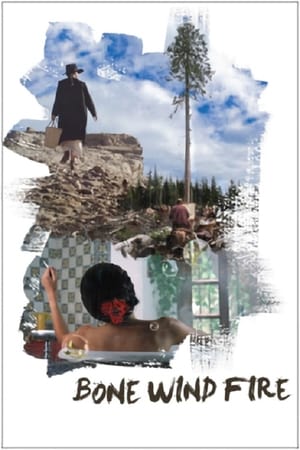
A journey into the hearts, minds and eyes of Georgia O’Keeffe, Emily Carr and Frida Kahlo - three of the 20th century’s most remarkable artists.
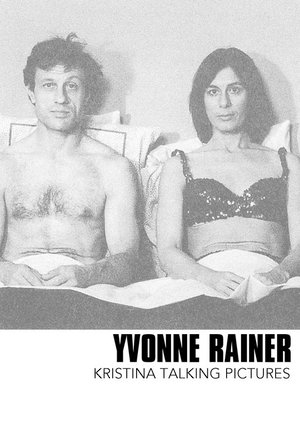
Kristina, a self-named Hungarian female lion tamer, arrives in New York to become a dance choreographer. Kristina, now a middle-class NYC artist concerned about the environment, has a sailor lover named Raoul. The film, a collage work, an essay film, a fictional narrative and a documentary all rolled into one, is one of the most important independent American feminists films made during the 1970's.
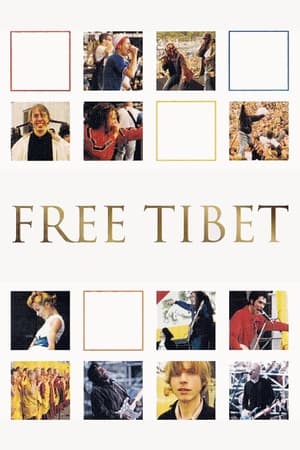
A film about the Tibetan Freedom Concert in San Francisco in 1996.
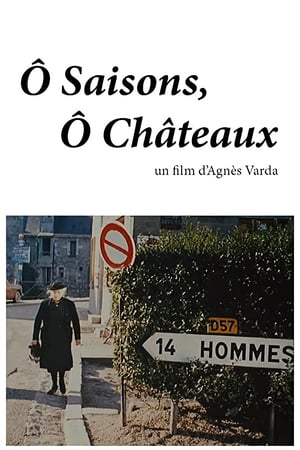
A short documentary on the chateaux of the Loire in France was commissioned by the French Tourist Bureau.
A very personal and dynamic meditation on the current global refugee crisis through the eyes and voices of campaigners, specially children, where past and present establish a dialogue. A reflection on the importance of human rights.
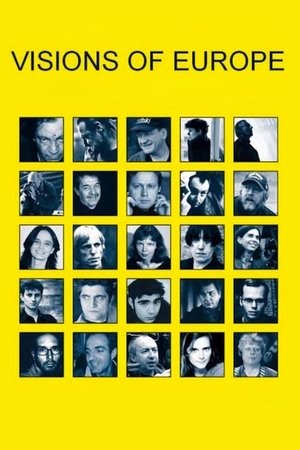
Twenty-five films from twenty-five European countries by twenty-five European directors.
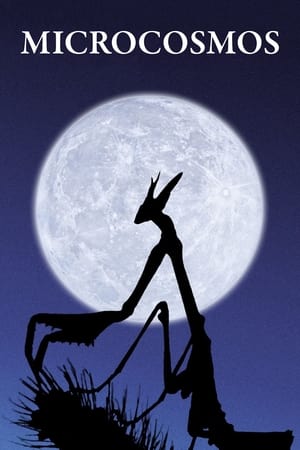
A documentary of insect life in meadows and ponds, using incredible close-ups, slow motion, and time-lapse photography. It includes bees collecting nectar, ladybugs eating mites, snails mating, spiders wrapping their catch, a scarab beetle relentlessly pushing its ball of dung uphill, endless lines of caterpillars, an underwater spider creating an air bubble to live in, and a mosquito hatching.
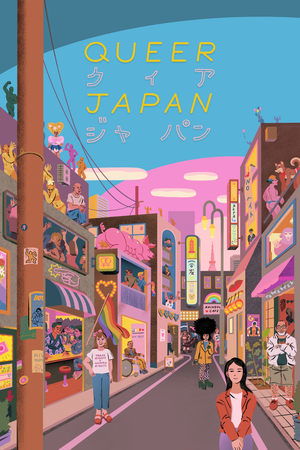
Trailblazing artists, activists, and everyday people from across the spectrum of gender and sexuality defy social norms and dare to live unconventional lives in this kaleidoscopic view of LGBTQ+ culture in contemporary Japan.
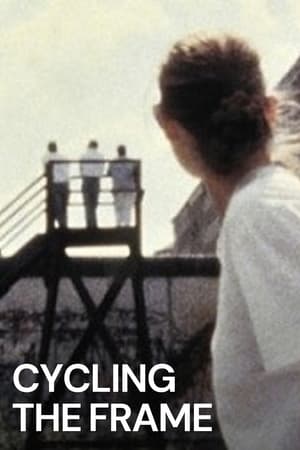
In 1988, Tilda Swinton toured round the Berlin Wall on a bicycle - starting and ending at the Brandenburg Gate - accompanied by filmmaker Cynthia Beatt. As Swinton travels through fields and historic neighborhoods, past lakes and massive concrete apartment buildings, the Wall is a constant presence.