Four men finally break their silence about the sexual abuse they suffered as children. No violins, no monsters—just men standing up to shame and oblivion. The film explores what it costs to speak out, rebuild oneself, and regain control. A cry against collective amnesia and the myth of unbreakable masculinity.
Based on years of research into the mass rapes committed by the Red Army at the end of the Second World War. In the first part of the documentary Helke Sander interviews multiple German women who were raped in Berlin by Soviet soldiers in May 1945. Most women never spoke of their experience to anyone, after 46 years of silence they talk for the first time publicly about their violent experiences that have left such a mark.
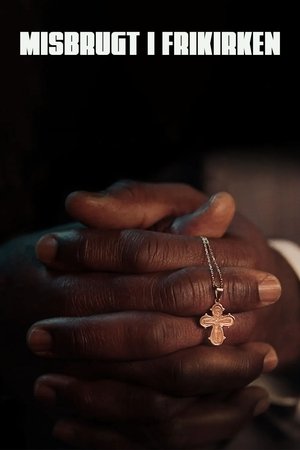
A free church pastor in Aarhus is reported to the police for having violated seven women in the congregation, with two of the women accusing him of rape. The pastor admits to inappropriate relationships, but claims it was consensual. The police drop the case due to lack of evidence, as it is currently not illegal for a pastor to have sex with adult members of the congregation, as long as they are over 18. But should the law be changed? The prosecution has charged the pastor with showing inappropriate nude images, with a reservation to seek deportation and compensation.
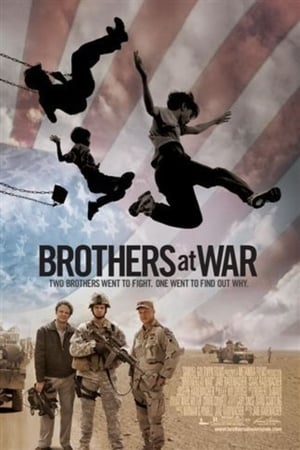
BROTHERS AT WAR is an intimate portrait of an American family during a turbulent time. Jake Rademacher sets out to understand the experience, sacrifice, and motivation of his two brothers serving in Iraq. The film follows Jake’s exploits as he risks everything—including his life—to tell his brothers’ story.
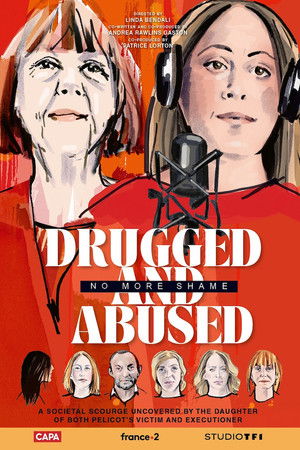
Drogues du viol
A documentary about the UN sex abuse scandal where companies and staff working for the United Nations in the Congo and other Central African countries were involved in rape and sex abuse of local women. There have been over 1700 allegations of sexual exploitation and abuse against UN peacekeepers in the last 15 years. Ramita Navai reveals why it keeps happening despite UN promises to stamp it out. It was produced for Channel 4 and for PBS Frontline – and ARTE. The film won the Robert F Kennedy Human Rights Journalism award for Television – International. Nominated for 2019 Emmy Award for Outstanding Investigative Documentary. Shortlisted for 2019 Grierson Awards for Best Single Documentary – International and Best Current Affairs Documentary. In 2020, the documentary won the 22nd Media Awards for “Children’s Rights in One World” in Germany.
Filmmaker Jonathan Caouette's documentary on growing up with his schizophrenic mother -- a mixture of snapshots, Super-8, answering machine messages, video diaries, early short films, and more -- culled from 19 years of his life.
A collage film documenting dissociation, sexual assault, and all the times I didn't have words for myself.
Your War (I'm One Of You) chronicles the life and career of Chicago's Tim Kinsella, frontman of ever-shifting band Joan of Arc and '90's pioneers Cap'n Jazz. With appearances from Tim's friends, family, and admirers, we learn what has made his legacy so unique and enduring for more than 20 years.
In 1983, the director’s 24-year-old sister developed symptoms of schizophrenia. Her parents couldn’t accept it—refusing to seek treatment for their sick child, they confined her to their house, to the point of even fixing a padlock on the front door to lock her in. Her younger brother, suspicious of his parents’ actions, began filming the family in an effort to openly question them. A family conflict that lasted over twenty years.
Director Lee Sin Yee reveals a deeply personal and reflective retelling of growing up with her brother who has autism. This autobiographical documentary explores her relationships with her sibling as they grow up together, yet separately. Interviewing her parents and interacting with her brother, she gives us an insight to her past and how she has come to understand her brother better.
In turn, the medical community has been affected by the post #metoo movement denouncing sexual violence against women. It was about time. Assaults and rapes perpetrated behind closed doors in doctors' offices have gone unpunished for too long. For a victim, reporting them is almost as difficult as recounting incidents of incest. And the medical councils, which are mainly made up of men, have long turned a deaf ear to patients' complaints. When cases are brought before the courts, the justice system also struggles to prosecute these rapists. Recently, practices and names have been made public, complaints are multiplying, and women are daring to speak out. Could this be the end of complacency towards these criminals in white coats?
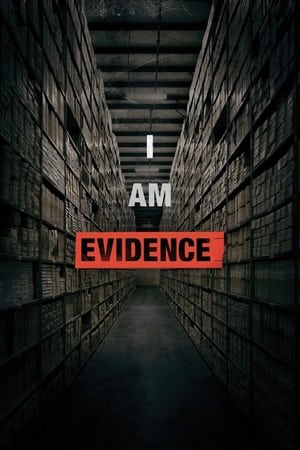
The modern criminal justice system is hindered by the fact that countless rape kits remain untested in police evidence storage facilities across the United States. Only eight states currently have laws requiring mandatory testing of rape kits.
Thomas Haemmerli is about to celebrate his fortieth birthday when he learns of his mother's death. A further shock follows when he and his brother Erik discover her apartment, which is filthy and full to bursting with junk. It takes the brothers an entire month to clean out the place. Among the chaos, they find films going back to the 1930s, photos and other memorabilia.
A look at the aftermath and global impact of the docuseries `Surviving R. Kelly'
Gory real-life footage of blood and guts on the German Autobahn, drug smugglers getting blown away, a parachutist landing in a crocodile pit, torture and murder in El Salvador, a PCP addict getting stoned, a videotaped rape/murder, a car thief getting ripped apart by two junkyard dogs, and much more.
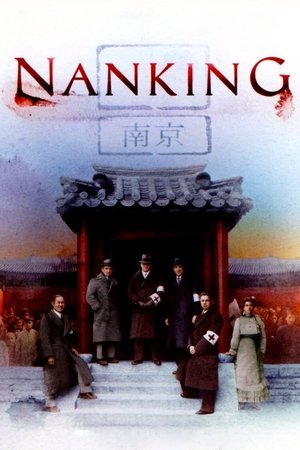
The story of the rape of Nanking, one of the most tragic events in history. In 1937, the invading Japanese army murdered over 200,000 and raped tens of thousands of Chinese. In the midst of this horror, a small group of Western expatriates banded together to save 250,000. Nanking shows the tremendous impact individuals can make on the course of history.
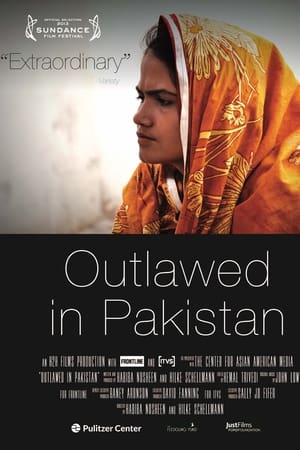
Outlawed in Pakistan tells the story of Kainat Soomro as she takes her rape case to Pakistan's deeply flawed court system in hopes of getting justice. The 13-year-old Kainat accuses four men of gang rape and shortly after is ordered to be killed by her village elders. Spanning over five years, the story is told through the perspective of Kainat and the four men accused of her rape.
Recy Taylor, a 24-year-old black mother and sharecropper, was gang raped by six white boys in 1944 Alabama. Common in Jim Crow South, few women spoke up in fear for their lives. Not Recy Taylor, who bravely identified her rapists. The NAACP sent its chief rape investigator Rosa Parks, who rallied support and triggered an unprecedented outcry for justice. The film exposes a legacy of physical abuse of black women and reveals Rosa Parks’ intimate role in Recy Taylor’s story.
The harrowing story of a woman trying to use Alabama's Stand Your Ground law after killing a man she says brutally attacked her.