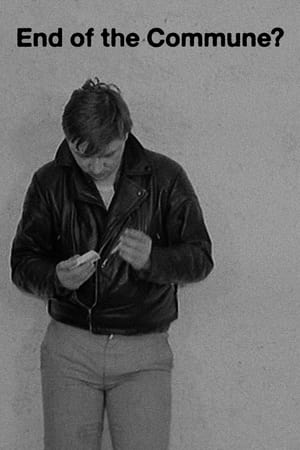
A documentary about Fassbinder and the early years of the legendary Antiteater, the group he was a member/leader of. You can here see and hear some of the actors he was going to use in his movies for the next years. The movie shows rehearsals for his play "The Coffeehouse," which also became a television movie, and you can watch unique footage from the 19th Film Festival in Berlin (1969) where "Love is Colder Than Death" was shown. As told in this documentary, his first feature movie was given a cold shoulder by many of the journalists and visitors at the festival. You can in "End of the Commune" watch Fassbinder and actor Ulli Lommel walk out on stage after the opening of "Love is Colder Than Death,” while a man in the audience is shouting "Out with the director!” In this documentary, Fassbinder also talks a lot about his father, who was a respectable doctor.
Made during the last months of actor Kurt Raab, who died of AIDS in 1988. Raab, who had worked in both theatre and film, most notably with Fassbinder, was in the process of making a series of video sketches for a new production when he learned that he had AIDS. Despite his deteriorating health, and with the caring support of his friend Hans Hirshmuller, he carried on working. This tape is his last testimony.
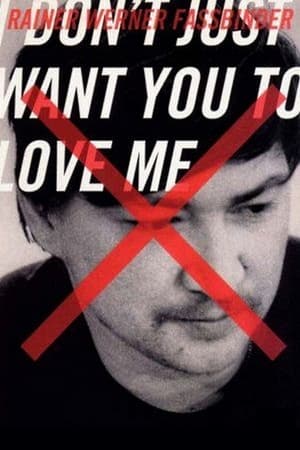
A documentary about the life and work of director Rainer Werner Fassbinder.
Françoise in Spring
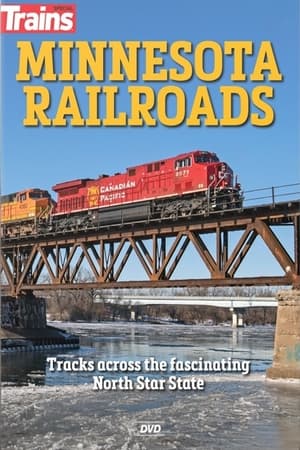
This documentary takes a look at Class I railroads – BNSF Railway, Canadian National, Canadian Pacific, and Union Pacific, short lines, Amtrak, commuter lines, and railway preservation in the “Land of 10,000 Lakes.”
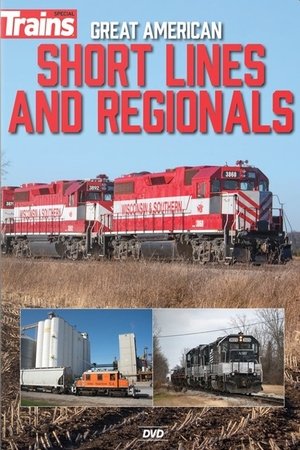
In this documentary, you will get an exclusive overview of short line railroads with the American Short Line & Regional Railroad Association, the industry trade group, and industry experts like the president of the American Short Line & Regional Railroad Association and Trains columnist Bill Stephens.
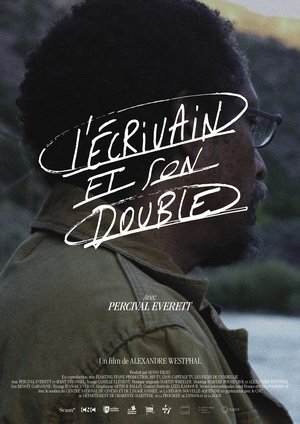
In a small office cluttered with books and other detritus of the writer's life, filmmaker Alexandre Westphal and the writer Percival Everett explore his work. Archival images are projected onto the walls, invading the space and intermingling with Everett's text, to illuminate many of the myriad and fascinating ways that his books reveal contemporary America to itself.
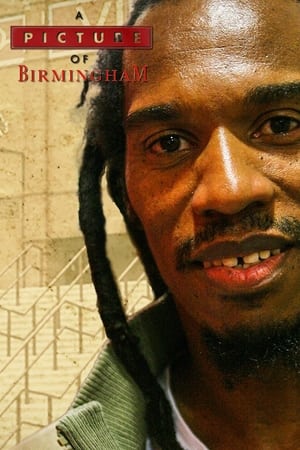
Poet Benjamin Zephaniah revisits the place of his birth, Birmingham, on a mission to compose a new poem, which he will then read out on the streets of the city. While there, he watches Aston Villa and revisits the approved school he went to when he was a child.
How famous department store Selfridges celebrates the festive season. We discover the secrets behind the famous Christmas windows and unveil this year's creation, a theatrical extravaganza dubbed 'showtime!'.
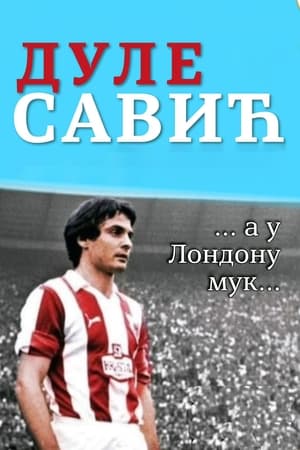
The end of the match was being played when Dusan Savic ran onto the ball and sent it into Arsenal's goal with his left foot. For the silence at "Highbury" that the English had never recorded before. Over 40,000 people who came to the "Highbury" stadium had the opportunity to see the fearless Red Star and saw her off with well-deserved applause. The generation that took a huge step towards the first final of a European competition was led by coach Branko Stankovic, the famous "Ambassador".
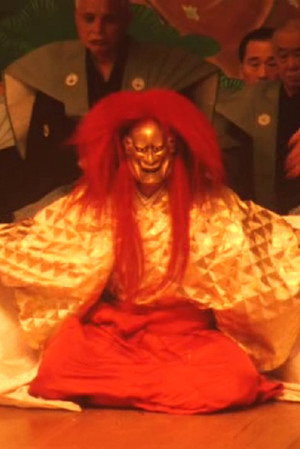
A beautiful documentary film about the Noh stages, juxtaposing the Noh Performance and the interview with the master Shoroku Sekine and his son Yoshito Sekine. The Sekine family belongs to the Kanze School and they always respect to the traditions not only on the Noh stage but also in their daily lives.
Kingdom of Lo is a forgotten land in the Himalayas, where the Loba people - a small population of ethnic Tibetans - reside. Their dailiness carries a curious fusion of preserved ancient culture, religion and thought. I visited their land and, through my camera, met the enigmas of their lives.
Join Construction Foreman Dave as he explores the endless fascination of heavy construction. From jack hammers to the largest bulldozers, kids will experience up-close all the exciting sights and sounds of a construction crew at work. From their safe front-row seat, kids will find out what it's like to operate a dump truck, a crane. a concrete mixer and other huge ground-shaking machines! Filmed on location at actual construction sites.
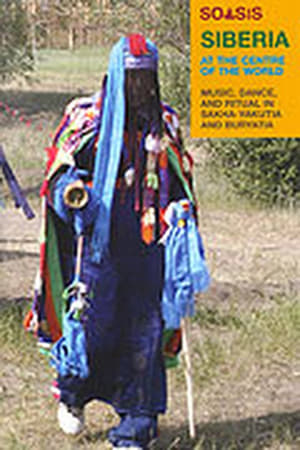
Siberian music and dance is little known outside Russia, in academic accounts too often considered as merely an easterly extension of European Russia or a northerly extension of East Asia, or experienced both onstage and in audio or audio visual recordings as part of an exoticized "Other". Here, filmed and directed by Misha Maltsev and Keith Howard, we illustrate the colour and vitality of cultural production in the region. We include a large variety of voices - ritualists, musicians, dancers, administrators, academics, and audiences young and old. Filmed in June 2001 and July 2006, this documentary (in two parts) includes footage of two key festivals, the Sakha Ysyakh and Buryat Altagarna, solo and ensemble performances and interviews with staff at the East Siberian Academy of Arts, and vignettes on the khomus in Sakha-Yakutia, the Old Believers (Semeiskie) in Buryatia, shamanism in both Republics as it is remembered, revived, and given within ritual practice, and more.
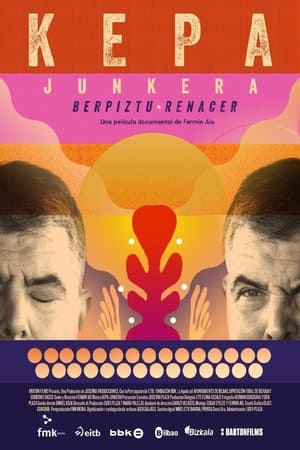
Kepa Junkera left the stage on 6 December 2018 in Ghent, Belgium. He disappeared, his accordion fell silent. The news mentioned a stroke, urgent admission to hospital, a recovery process, and then nothing. The Basque artist who took the trikitixa and popular Basque music to the highest level, who pretty much brought out an album a year for the 32 years of his career, the self-taught man who became the most international Basque musician and who invited artists all over the world to sing in Basque disappeared without trace. Later came two years of hard work, of physiotherapy sessions to recover his physical mobility, learn to talk, move his hands, turn his head, eat, stay alive. Because Kepa continues to live, continues to create, to enjoy the thrill of art, of music, of poetry, of painting, of photography. This documentary is the story of that emotion.
Twenty years ago, three friends in the flower of their youth met to take up a challenge: to build on the beach of a small Uruguayan village a beach restaurant like the ones that used to exist in the 50s. Pure simplicity and honesty. A wood and straw ranch on the shores of the Atlantic Ocean, where tales of Argentina, Uruguay, sea bass, silverside, the great artist Pedro Figari, fishermen, good wines, Francis Mallmann and the omnipresent fire, toasts and friendship as their starting and finishing point interweave.
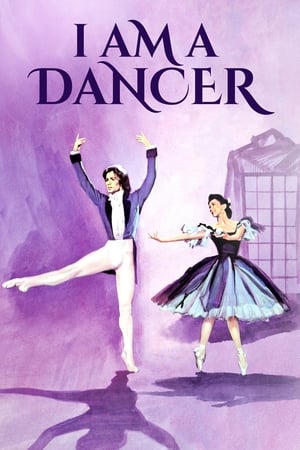
Documentary about the dancer Rudolf Nureyev.
Charting the untold story of the Balearic sound, and how hedonism gripped the hearts, minds and dance floors of the English Home Counties, fueled by the freewheeling party island of Ibiza.
Moonlight Jerusalem
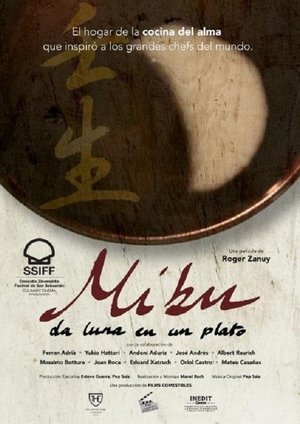
Documentary film opening the doors to one of today's most influential restaurants, Mibu, hidden away in a spot where classic Japan meets cosmopolitan Tokyo. The Ishida husband and wife duo tell us their story and share their sources of inspiration with the spectators. All told by some of the world's greatest chefs who have been touched by Mibu: Ferran Adrià, José Andrés, Massimo Bottura, Joan Roca, Andoni Aduriz, Oriol Castro and Albert Raurich.