This in-depth look into the powerhouse industries of big-game hunting, breeding and wildlife conservation in the U.S. and Africa unravels the complex consequences of treating animals as commodities.
Hunters have disappeared from wildlands without a trace for hundreds of years. David Paulides presents the haunting true stories of hunters experiencing the unexplainable in the woods of North America.
Wildgnorance
A young boy from the Dakota prairies grows up heeding the "call of the wilderness." He hunts for pheasant in the Illinois cornfields; ducks and geese in the northern lakes; deer in the Dakota Bad Lands; mountain sheep, goats, caribou, moose, and mountain lions in British Columbia and the Yukon; and brown bears on the Alaskan peninsula. He fishes in British Columbia's mountain streams for grayling and along the Bering Sea coast for trout. The film includes footage of swans, eagles, cnd ptarmigans; a beaver colony repairing a dam; battling rams; and sheep at rest in the mountains.
A group of outdoorsmen demonstrate duck hunting as a preliminary to traveling the various hunting and fishing centers of the world. They begin their journey with a trip to the Rocky Mountains to hunt elk and mountain lions and to fish in the freshwater lakes. They travel to Lac la Ronge in Saskatchewan and to Anchorage and the Katmai Peninsula in Alaska to fish for trout, salmon, and grayling and hunt moose and bear. In the Arctic, the hunters go with a group of Eskimos for their biggest catch, the polar bear. The hunters travel south by plane, to the Fishing Club of Panama to fish for marlin, tuna, shark, and dolphin in the Gulf of Panama. In South Africa and the Zambesi River basin, they often hunt with only a camera. Accompanied by native beaters, they hunt elephants, antelope, buffalo, crocodiles, and hippopotami. As conservationists they capture some almost extinct white rhinoceros and take them to a game preserve for protection.
Argentinian short film which shows local fauna and hunting.
Le peuple de l'aigle et moi
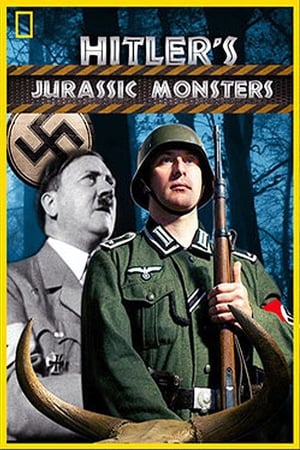
This is the untold story of a Nazi vision, that went far beyond the military conquest of European countries. As part of their crazed dream to create a thousand-year Reich they developed detailed blueprints for Aryan settlements and vast hunting parks for ‘Aryan’ animals. Goering and Himmler employed Germany’s best scientists to launch a hugely ambitious programme of genetic manipulation to change the course of nature itself, both in the wild and for domestic use. In a fascinating blend of politics and biology, Hitler's Jurassic Monsters is the true and asthonishing story of how the Nazis tried to take control of nature and change the course of evolution.
The Year of Return is an initiative of the government of Ghana that is intended to encourage African diasporans to come to Africa to settle and invest in the continent. This film documents one diasporan family as they return to Africa.
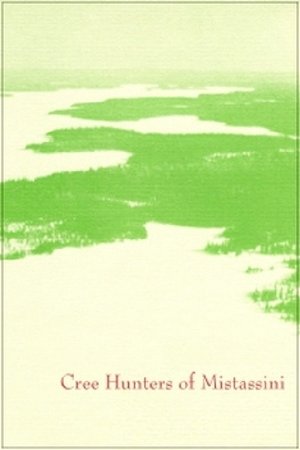
An NFB crew filmed a group of three families, Cree hunters from Mistassini. Since times predating agriculture, this First Nations people have gone to the bush of the James Bay and Ungava Bay area to hunt. We see the building of the winter camp, the hunting and the rhythms of Cree family life.
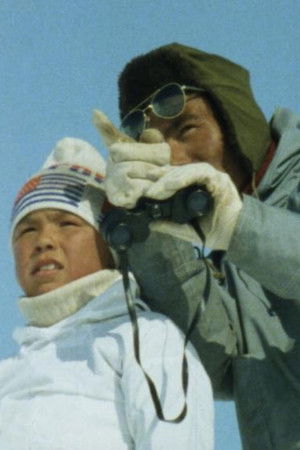
One day in the lives of an average Greenlandic family, which happens to be of great importance for 8-year old Kali - he's about to catch his first prey with the harpoon. The whole family is looking forward for the huge step in boy's maturation.
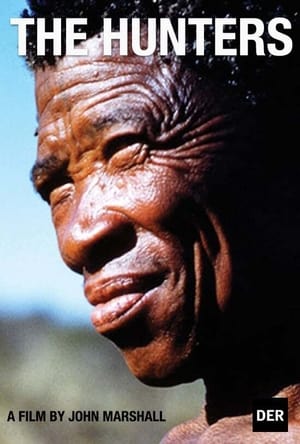
An ethnographic documentary following four Ju/’hoansi (!Kung) men during a multi-day giraffe hunt in the Kalahari Desert, filmed during the Smithsonian–Harvard Peabody expedition of 1952–53.
Звериной тропой
An in-depth review of tree stand safety from hunting expert L.J. Smith.
Archery expert Howard Hill and a cameraman go to Wyoming to film this wild-animal three-reel short. Besides the scenery, the scenes include a buffalo killed by an arrow shot by Hill (for food); a wildcat and a coyote in a battle, and a fight-to-the-death between a mother bear protecting her cubs against a killer male bear.
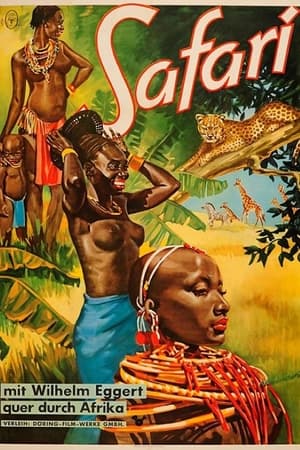
Between 1933 and 1935, the painter Wilhelm Eggert and his wife Dora Kuster traveled the African continent. Their expedition took them from Mediterranean Algiers through the Sahara and parts of the African west coast to the Congo and Kenya. Not only did the couple explore vast stretches of land that were almost completely unknown, at least to private travelers at the time, they also captured this journey on film. A screenable documentary film was compiled from the original 12,000m of film material. In cinemas and film clubs, European audiences were presented with a film that was evidently able to satisfy an interest in foreign, 'wild' cultures and exotic landscapes, albeit one that was always Eurocentric. The spectacular shots of African lifestyles and nature, which in many respects were new to European viewers who were almost completely unfamiliar with Africa, were praised and appreciated precisely because of their supposed authenticity.
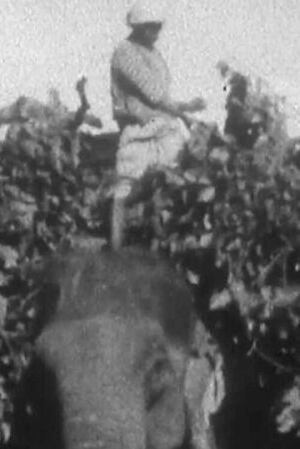
The Duke rides an elephant as he ventures on safari in Bengal.
For the Frigons, hunting is a family affair that forges and solidifies the bonds between generations. For many autumns, Louis-Henri has been tracking moose alongside Sasha, his grandson. On the other hand, at the dawn of his 81st birthday, old age reminds him that his career as a hunter is behind him. This year, Louis-Henri will not go hunting and Sasha will go without him for the first time. Goodbye, Hunter offers an intimate look at the moment of the passing of a long family tradition.
This short follows two duck hunters in the Sacramento River Valley.
In this feature-length documentary, three generations of the Caribou Inuit family come together to tell the story of their journey as Canada's last nomads. From the independent life of hunting on the Keewatin tundra to taking the reins of the new territory of Nunavut on April 1, 1999, we see it all. The film is the result of a close collaboration between Ole Gjerstad, a southern Canadian, and Martin Kreelak, an Inuk. It's Martin's family that we follow, as the story is told through his own voice, through those of the Elders, and through those of the teens and young adults who were born in the settlements and form the first generation of those growing up with satellite TV and a permanent home.