In Soviet Azerbaijan, a divorced Armenian couple fights over the custody of their daughter, Ashen. Stolen from one parent to another, Ashen's guardians are tragically killed in the bloody war surrounding them. Will the arrival of a new savior finally bring Ashen freedom? Official selection of the Global Lens Collection presented by the Global Film Initiative.
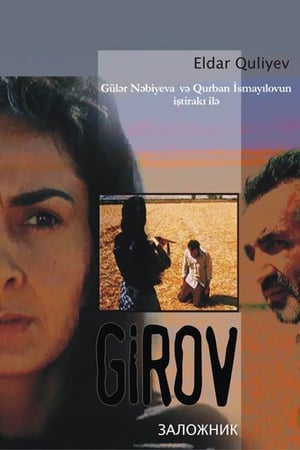
During the late 1980s and early 1990s the Armenian minority in Nagorono-Karabakh attempted to break away from Azerbaijan, one of the former Soviet republics. Overnight these former neighbors became enemies, and simple village folk were suddenly made hostages in a complex power game. One of the Azerbaijani villages right on the border is home to the family of the peasant farmer Kerim, who has just been captured by the Armenians. The village council decides to take an Armenian in order to arrange a hostage exchange. They imprison the wounded man in the barn next to Kerim's house, where his wife and three children desperately await the husband's return. The captive from the other side of the border finds himself in exactly the same situation - he, too, has three children, he finds it hard to scrape a living together, he has never done anything to harm anyone and, like Kerim, he just wants to go back home. But life in Karabakh is far more complex now. Blood calls for blood.
In one of Baku's international high schools geography class, the teacher talks about the hunting of wild cats in the Indian jungle. Influenced by this, Heydar imagines himself as a hunter in India. Soon, his classmates join him into making a game out of his daydreaming.
The film based on Eno Raua's stories "Päris kriminnene lugu" and "Telepathic lugu" takes the viewer to a summer town in Estonia, where boys and girls meet with exciting adventures, dreams and falling in love. There are no real forensics and telepathy here, but it is about the disappearance and finding of a little boy. In addition to adventures, the main characters find something else - both in life and in themselves.
Радужный вкус
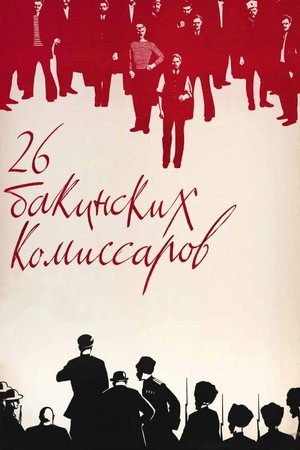
The film is about dramatic revolutionary events happened in 1918 in Baku.
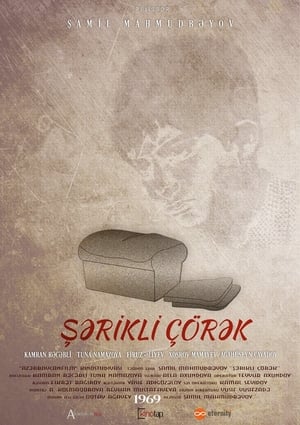
While there is famine during WW2, a boy with mom far away, tries to stay strong.
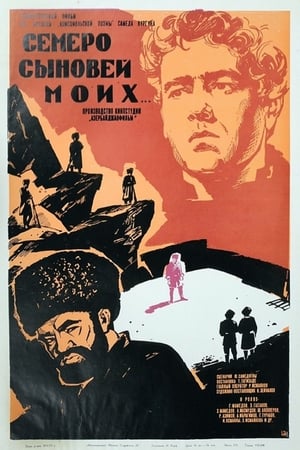
This film was based on Samad Vurgun's "Komsomol poem". Seven sons, like seven samurai become the seven komsomols (communist leaders) who were sent to a village to establish Soviet power. Seven sons become the romanticized images of people's heroes ready to take revenge.
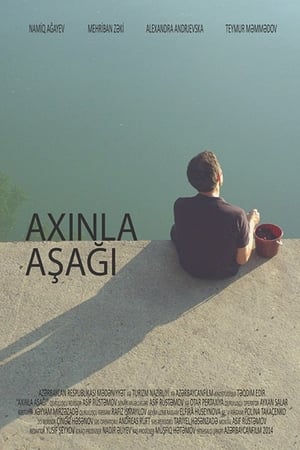
Young Ruslan rows for a team coached by his father Ali, who places many demands upon his son and is continually dissatisfied by his performance. But when tragedy strikes, his father is overcome with emotions he doesn’t know how to deal with. Debut director Asif Rustamov treats the heavy topic with remarkable subtlety and discretion, emphasizing the characters’ carefully elaborated psychology.
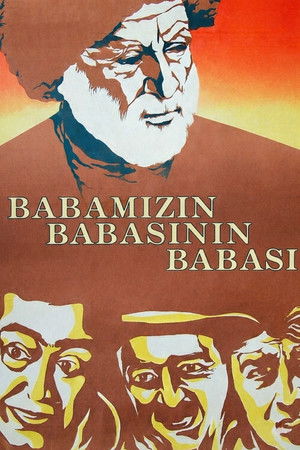
Too old grandpa is being celebity by news maker who came from centre. But then he recollected something weird things about his missus .
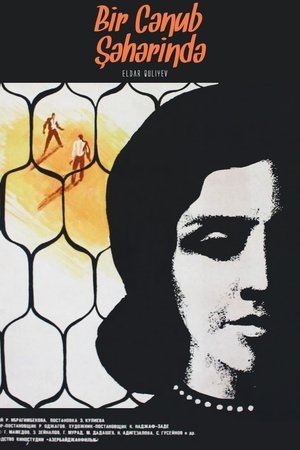
Murad, a young man, lives by the old ethical norms that are still valid in the suburbs of his city. He had promised Tofig, his childhood friend, to give him his sister as a wife, but Tofig is in love with another girl. He forgets the promise and takes the girl home. Murad is offended. According to the code of honor, he must take revenge. One of the first films ever produced in the Soviet Union to challenge the sociopolitical establishment.
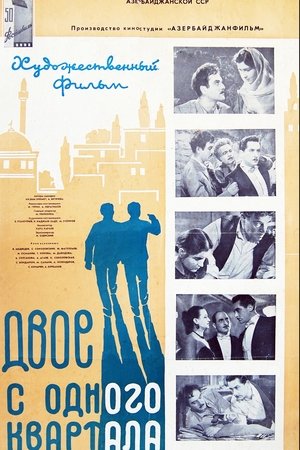
Childhood friends Ahmet and Nuri, the sons of poor farmers, grew up together, studied together, and worked together in a factory. Together, they publish the magazine Light, which opposes the colonial policies of foreign capital and military pacts. After their first imprisonment, the friends' paths diverge: Nuri betrays his convictions and joins a reactionary newspaper. His life is now safe, but he finds no joy or peace. Meanwhile, Ahmet, having become one of the main enemies of the reactionaries, attracts more and more patriots to his side.
Murad, a young man fails the entrance exam to the Institute and starts working at the meat factory. His cousin Rustam, a worker on a building site, fights with him against the dishonest people who sell pieces of meat from the factory. After a series of dramatic situations, Murad and Rustam manage to uncover the thieves.
Madina is a young married woman who is mentally strong despite the problems she encounters.She has no children and her relationship with her husband is bad, although he loves her.She makes carpets which is a way for her to express her feelings. One day, she meets a man working in a circus. She gets to know him better and becomes transformed by him as he helps her improve her husband and the carpets she creates.
A historical revolutionary film depicting the struggle of peasants and the Baku proletariat against landowners and Musavatists in 1919.
The story is set during an upsurge in the Nagorno-Karabakh conflict and revolves around an old, sick ex-forestry worker and his wife Nabat, whose son has died in battle.
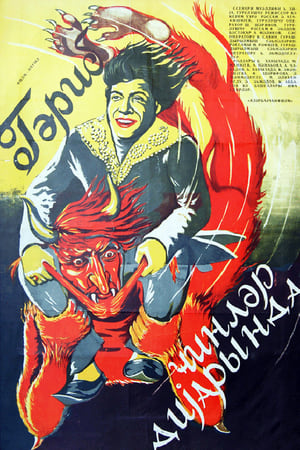
The twin brothers Sachib and Garib are cheerful and funny boys. They tend to their small farm and take care of their mother and sister. But Garib is no longer satisfied with this "simple" life. He wants to achieve prestige and prosperity. One day, while working in the fields, he is surprised by a demon who promises him wealth, fame, honor, and power if Garib works for him. Garib succumbs to the temptation and accepts the offer. His task now is to impart his knowledge and skills to the cave dwellers, called jinn. At first, Garib feels comfortable and succeeds in transforming the underworld into a fertile and flourishing landscape. But Garib is increasingly tormented by his longing for his family back home.
In a Azerbaijan, in the beginning of this century, the first films made in the history of cinema are shown.The characters meet each other in a room. Three characters who will witness the linking up of their destinies through their common love for this new captivating art.
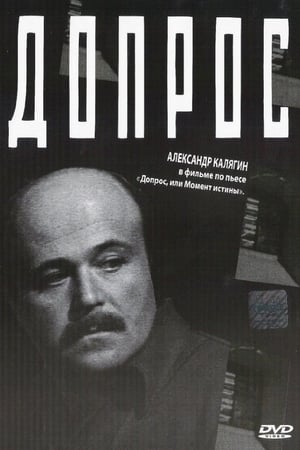
The investigator Seyfi Ganiyev runs the case of an illegal mercery shop's head Murad Abiyev, who confessed in embezzlement of one million rubles from public funds. Abiyev is also accused of the murder of an underage girls that occurred in Riga shortly after Abiyev saw her. He denies his guilt, but does not name the perpetrators though he knows them, despite the fact that he is facing the death penalty. The investigator understands that some high-ranking officials stand behind Abiyev, but he has no proof. Ganiyev seeks to obtain from the prisoner the whole truth to bring the criminals to justice.
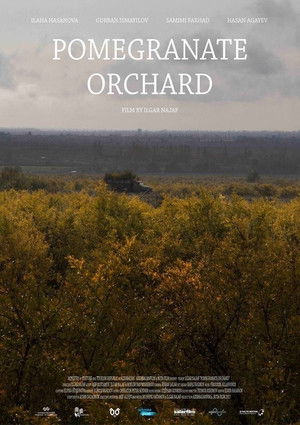
Inspired by Anton Chekhov's The Cherry Orchard, the film follows a prodigal son who returns after 12 years. His reappearance at the family home in rural Azerbaijan significantly alters their way of life.