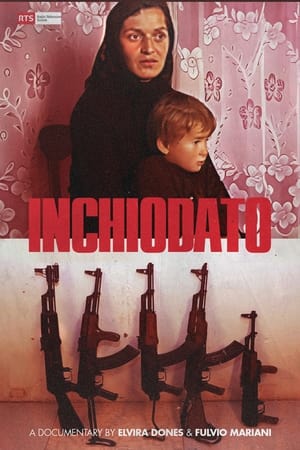
In northern Albania, ancestral customs still exist, governing the laws of vendetta between families. Sometimes, for generations, an old feud has pitted two clans against each other, condemning them to take turns murdering a member of the opposing family. This blood code, known as the Kanoun, has painful consequences for many Albanians, who are condemned to live in seclusion to avoid being killed.
Within beauty lurks danger: at least that is what Albanian communist censors thought. Which is probably why this lavishly shot and seemingly innocuous tribute to the Albanian landscape – where we see pretty, fashionable young people marvel at historic towns over the Adagio for Strings, among other Western music – was shelved and never seen again until today.
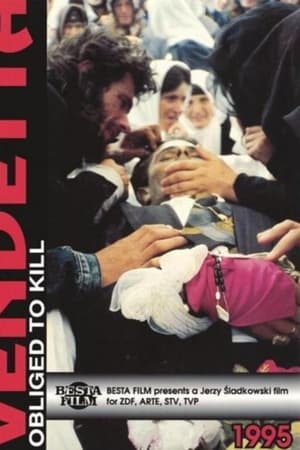
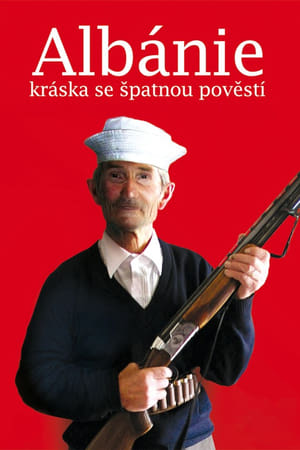
A dramatic depiction of honor, family feuds and thousand-year-old traditions. In Albania, the tradition of avenging an injustice according to the motto "an eye for an eye, a tooth for a tooth" still lives on. This has led to people being trapped in their homes for fear of being murdered due to a family feud.
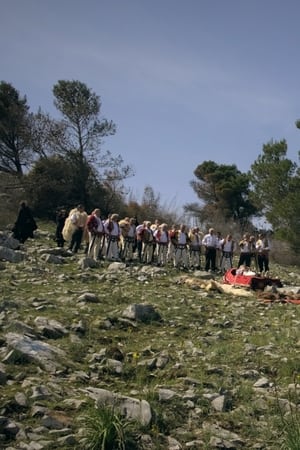
“Gjama” is a rarely practiced mourning ritual that was performed by Albanian men throughout the centuries. By shouting specific phrases and acting out a strict choreography, it is a way of paying respect to the deceased but also overcoming grief and pain over the loss of a loved one. Through the documentation of the re-enactment of the ritual, Zgjim Elshani seeks to recover fragments of the practice in the communities where this form of collective grieving is still a way of overcoming loss. By doing so, the project intends to rethink collective grieving and what it means to publicly display emotions in a male-headed society.
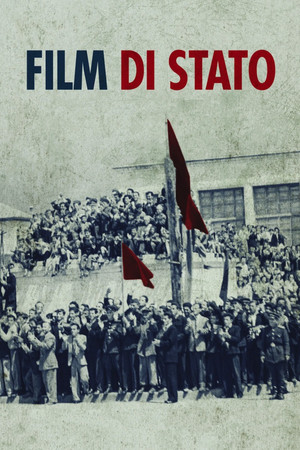
Through rare archive footage, the documentary traces the forty years of Enver Hoxha's communist regime in Albania, revealing cinema as a weapon of power.
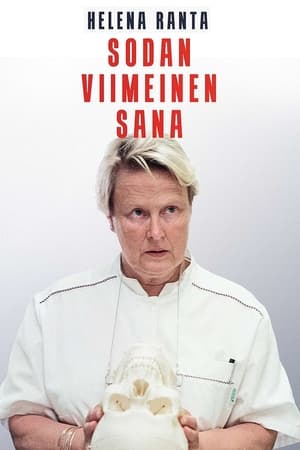
In the Kosovo War, human dignity was shattered by the terrors of the Serbian government and the Albanian liberation army. Truths about the victims’ fates faded away, which is why a Finnish forensic research group led by Helena Ranta got a mission to act as an unbiased agent and investigate the real course of events.
Skutečná Albánie
Children get ready to start the first grade. They start learning the first letters.
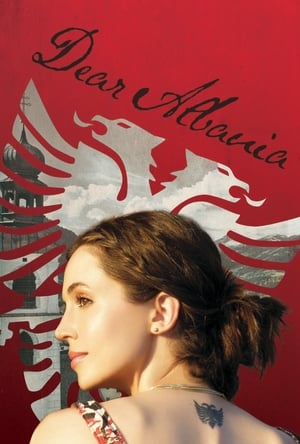
Eliza Dushku takes on her homeland of Albania.
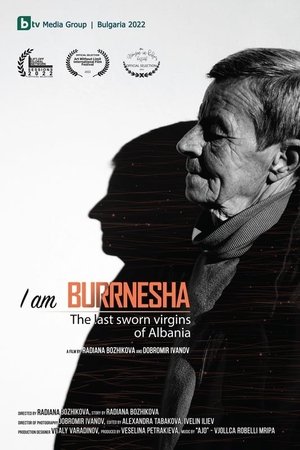
Patriarchal times in northern Albania gave birth to a phenomenon - the replacement of the man at the head of the household by a woman. These are masculine times, in which the woman is only tasked with taking care of the household and raising the children. But, locked in these social roles, girls emerge, ready to abandon their female identity and follow the path of honor. They want to be respected women with the power of a man, not for themselves, but for others. They give up marriage and sexual relations. They choose to live as men. The fall of the regime opened the country to the modern world, but neither communism nor the emerging democracy succeeded in changing the age-old traditions in the isolated mountainous regions of Albania. In the Cursed Mountains, to the north, the last sworn virgins in Europe today live a man`s life.
Albania is the country in Europe that Europe probably knows the least about. Underdeveloped yesterday, Marxist today, breaking with the Kremlin, in friendship with Red China, we hardly know more. For journalists, the country of Enver Hoxha is one of the most closed 'hunting' territories in the world.
Albania and neighboring Yugoslavia officially broke ties in 1948. But in 1971, the Hoxha regime was honored to welcome the ethnic Albanian actor Bekim Fehmiu (1936-2010), at the time an international star in Yugoslav theater and film. Before his trip to Albania, Fehmiu had appeared in the popular Italian television smash The Odyssey (1968) and the Cannes-winning I Even Met Happy Gypsies (1967). Dokufest will also feature a photo exhibit of recently-discovered still images taken during Bekim Fehmiu’s Albanian visit.
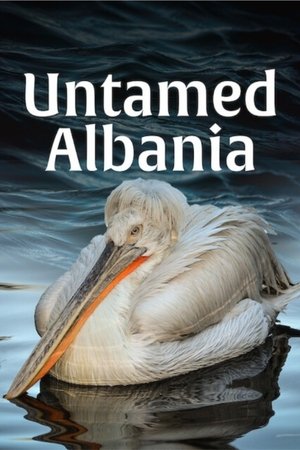
Albania in the southeast of Europe – situated between Greece, Macedonia, Kosovo and Montenegro – hosts an astonishingly diverse landscape. Harmonic coastal areas lead to harsh karst landscapes. Snow-covered mountain regions, wild canyons, waterfalls, deep-blue lakes and untouched rivers are perfect conditions for an immensely rich flora and fauna. Decades of war preserved wide areas of the country from industrial exploitation, so the natural environment is still untouched.
Albánie – kráska se špatnou pověstí
A documentary film that shows the endemic bird species that spend most of the year in the Prespa Lake region.
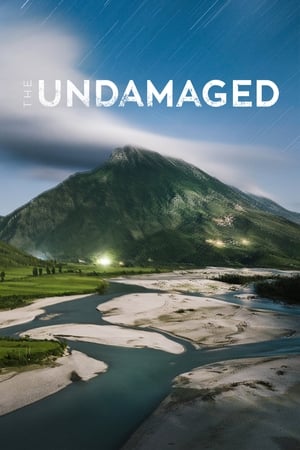
The Balkans cradles Europe's last wild rivers and supports abundant wildlife and healthy, intact ecosystems. These rivers are "The Undamaged" – clean, pristine, and undammed. With over 2,700 small and large hydro power plants planned or under construction in the Balkans, corruption and greed are destroying the last free-flowing rivers of Europe. Follow the Balkan Rivers Tour, a rowdy crew of whitewater kayakers, filmers, photographers and friends who decided to stand up for the rivers, travelling from Slovenia to Albania for 36 days, kayaking 23 rivers in 6 countries to protest the dams and show the world the secret wild rivers of the Balkans. The film honours everyday people and local activists who are fighting to defend rivers and aims to spread the word of the plight of these rivers, showing a new style of nature conservation that is fun, energetic and effective.
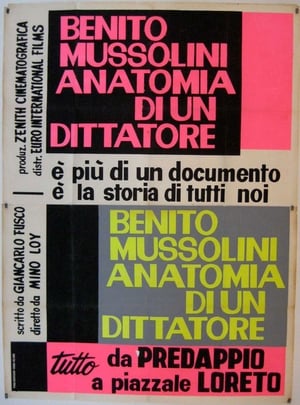
Benito Mussolini: Anatomy of a Dictator
A documentary that investigates the complexity of a nation, Albania, through the narration of the convoluted history of its monuments. What happens to the statues when they are destroyed, what are they replaced with and where do their marble shreds end up? What happens to their expensive bronze? And again: what do the sculptors who made these statues think of these destructions, what is their opinion. And today? Which statues are being destroyed in Albania today?
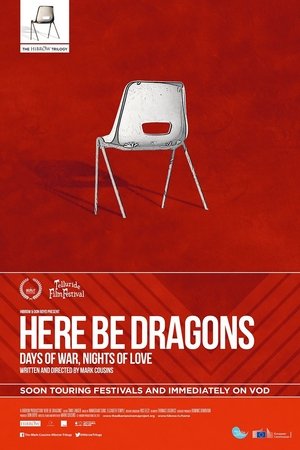
Filmmaker Mark Cousins goes to Albania for five days, and films what he sees. He discovers that the movie prints in the country's film archive are decaying. In investigating this, Cousins begins to encounter bigger questions about the history and memory of a place. Perhaps a country whose 20th Century, dominated by its authoritarian ruler Enver Hoxha, was so traumatic, should allow its film heritage to fade away? Perhaps a national forgetting should be welcomed? Influenced by the films of Chris Marker, Cousins' film broadens to consider the architecture of dictators and the great icon paintings of Onufri. In the past, when cartographers knew little about a country, they wrote on it Here be Dragons. Albania was, for decades, one of the least well know countries in the world. Cousins' road movie meditation takes the advice of Goethe: "If you would understand the poet, you must go to the poet's land."
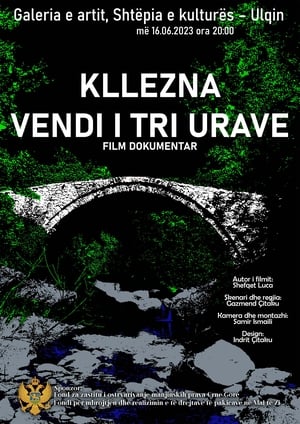
A short documentary about a small village in the city of Ulcinj, that has 3 bridges.