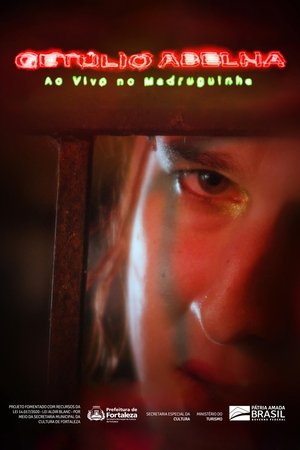
Getúlio Abelha - Ao vivo no Madruguinha
Amado Batista - Acústico
Reginaldo Rossi - Cabaret do Rossi
Amado Batista - O Negócio da China
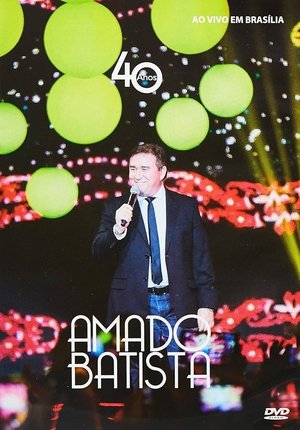
Amado Batista - 40 Anos Ao Vivo
José Orlando - Ao Vivo
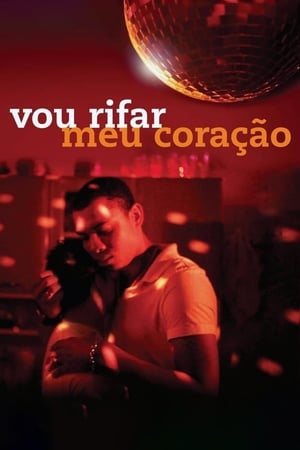
Vou Rifar Meu Coração is a documentary about the performers and the followers of Brazilian romantic music – also known as brega (kitsch), often called "cheesy" by critics and the wealthy elite. Frequently associated with bad taste and poor quality, the style is admired by the lower working class, or unemployed population, originally from rural origins, banished to the cities in search of work and a better life. Using the music as a catalyst, this documentary shows the sentiments, love, suffering and sexuality of the fans and their idols, creating a scenario that reveals their practices and desires.
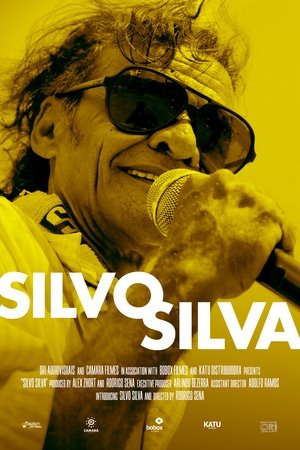
The documentary narrates the trajectory of Waldick Soriano, from the time he was a gold miner to his consecration as one of the icons of Brazilian music.
Qual a sua saudade?
In the interior of Sergipe, a musical rhythm fills the parties and moves people. Music lovers and singers of the genre share their stories and how arrocha affects them.
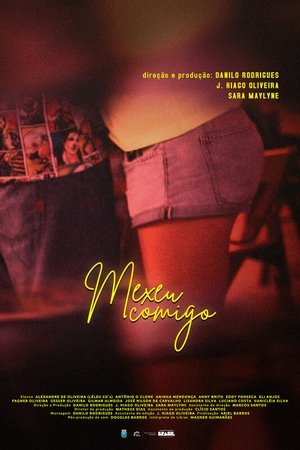
A street performer in Recife (Brazil), decides to host a live broadcast with his followers to raise money for a new bluetooth speaker.
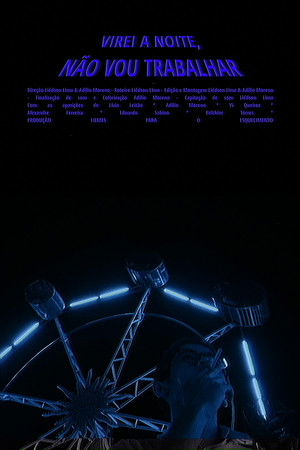
A young man walks the city streets, brooding over the end of a relationship. Memories and poems of his beloved accompany him on this journey.
O Amor em Fases
In Tupelo, Mississippi, in 1962, a poor, young, single mother is impregnated by a womanizing has-been singer. Her mother tries to force her to give the child away but our heroine isn't sure. As she tries to solve her problems she receives assistance from unlikely quarters: a lesbian gang and the feminist/nudist/stripper/adult film star they idolize.
Hamlet returns home from drama school in United States, after the cold-blooded assassination of her father by her uncle, who has married Hamlet’s mother. After seeing her father’s ghost, Hamlet decides to feign insanity, in order to get to the truth.
The grand scale and magnificent acoustics of the Roman arena in Verona are ideally suited to the pageantry of Verdi's Egyptian opera, presented here in a staging that is true to the original 1913 production, framed by obelisks and sphinxes and filled with chorus and dancers. Chinese soprano Hui He has won international acclaim for her portrayal of the eponymous slave girl whose forbidden love for the war hero Radamés (Marco Berti, the experienced Verdi tenor) brings death to them both.
After the great success of his Beethoven cycle, Christian Thielemann now turns with his new orchestra, the Staatskapelle Dresden, to the symphonic work of Johannes Brahms. Bonus features include: an extensive 52 minute interview with Christian Thielemann on Brahms' Symphonies and provides and in-depth look into his interpretation of Brahms.
At one of her rare appearances with orchestra, Martha Argerich, the grande dame of the piano, joined forces with world-famous cellist Mischa Maisky and the fabulous Lucerne Symphony Orchestra for the world premiere of a newly commissioned work by Russian composer Rodion Shchedrin – “Romantic Offering”, a double concerto for piano, cello and orchestra dedicated to its very first soloists. The programme was rounded off by late-Romantic masterpieces by César Franck, Antonín Dvo?ák and Dmitri Shostakovich’s Ninth Symphony under the baton of renowned maestro Neeme Järvi.