Jack Killoran is a lawyer who can 'fix' any situation for his wealthy clients, usually by bribing or blackmailing corrupt officials. Killoran runs afoul of some of his clients when he has a crisis of conscience after miraculously surviving a riding accident.
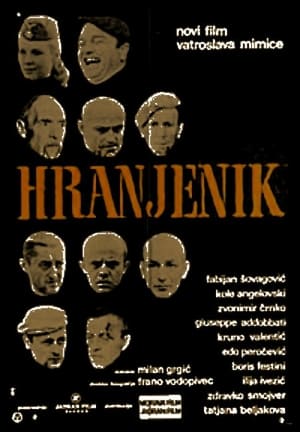
12 American military prisoners in World War II are ordered to infiltrate a well-guarded enemy château and kill the Nazi officers vacationing there. The soldiers, most of whom are facing death sentences for a variety of violent crimes, agree to the mission and the possible commuting of their sentences.
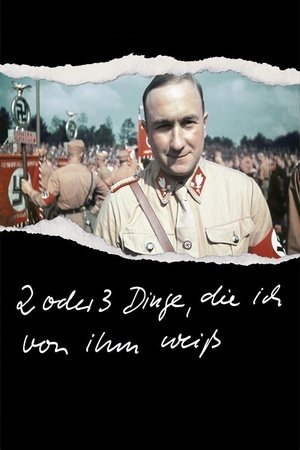
What would your family reminiscences about dad sound like if he had been an early supporter of Hitler’s, a leader of the notorious SA and the Third Reich’s minister in charge of Slovakia, including its Final Solution? Executed as a war criminal in 1947, Hanns Ludin left behind a grieving widow and six young children, the youngest of whom became a filmmaker. It's a fascinating, maddening, sometimes even humorous look at what the director calls "a typical German story." (Film Forum)
A Jewish woman named Jettel Redlich flees Nazi Germany with her daughter Regina, to join her husband, Walter, on a farm in Kenya. At first, Jettel refuses to adjust to her new circumstances, bringing with her a set of china dishes and an evening gown. While Regina adapts readily to this new world, forming a strong bond with her father's cook, an African named Owuor.
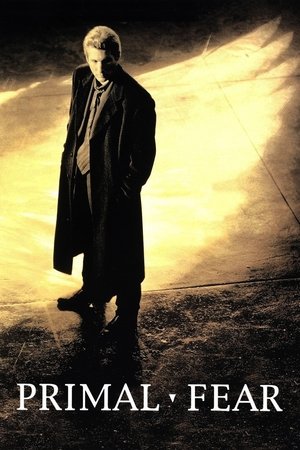
Defense attorney Martin Vail takes on jobs for money and prestige rather than any sense of the greater good. His latest case involves an altar boy, accused of brutally murdering the archbishop of Chicago. Vail finds himself up against his ex-pupil and ex-lover, but as the case progresses and the Church's dark secrets are revealed, Vail finds that what appeared a simple case takes on a darker, more dangerous aspect.
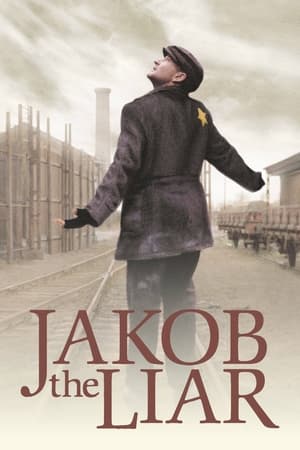
In 1944 Poland, a Jewish shop keeper named Jakob is summoned to ghetto headquarters after being caught out after curfew. While waiting for the German Kommondant, Jakob overhears a German radio broadcast about Russian troop movements. Returned to the ghetto, the shopkeeper shares his information with a friend and then rumors fly that there is a secret radio within the ghetto.
Germany in the Thirties. A movie teller realizes that his profession is not longer needed. Silent movies are not produced any longer. Telling stories is the only thing the man was ever good in, so he does not know what to do now. As political circumstances are changing dramatically these days in Germany, he gets new hope that things will again be going better for him...
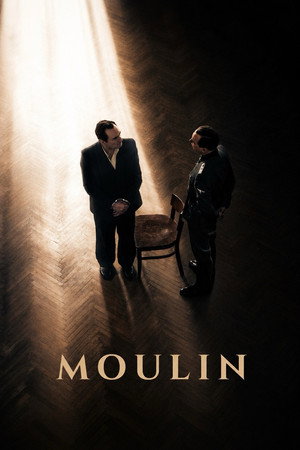
In June 1943, Jean Moulin, leader of the French Resistance, is arrested while attempting to reunite the forces of the "Armée Secrète." Interrogated by Klaus Barbie, the head of the Gestapo in Lyon, Moulin is drawn into a relentless confrontation.
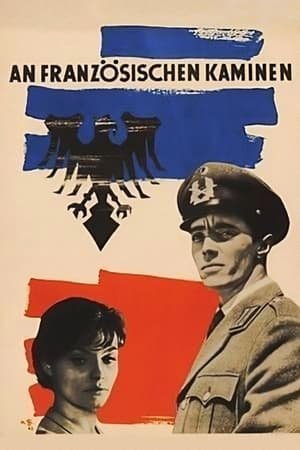
Bundeswehr soldier Klaus’ regiment is stationed in France, to take part in NATO maneuvers. The soldiers are ordered to be kind to the populace, since the West German High Command wishes the French to forget the atrocities that were committed during the Second World War. Klaus falls in love with Jeanne, the daughter of the local mayor. He discovers that his commanders intend to demolish the ruins of a local church, in which civilians were murdered by the German occupation forces at 1944. A local journalist who researches the event discovers that West German General Rucker ordered the massacre, but he is mysteriously murdered. Klaus defies his commanding officer Siebert, who instructs him to steal the documents indicting Rucker, and hands the evidence over to Jeanne.
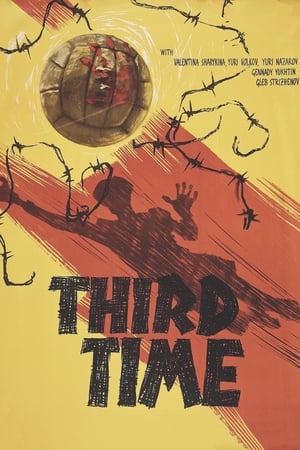
The film is based on the real fact — football «The Death Match» between the German team and a team of Soviet prisoners of war, former "Dinamo". It happened in Kiev on June 22, 1942. Anticipating the possibility of losing, the Germans made a condition — defeat or death. If the Germans won, the Soviet footballers were promised freedom...
Group of concentration camp prisoners is being constantly tortured by their Kappo. Since they are too weak to stand against him, they pick the strongest among themselves and feed him with parts of their rations.
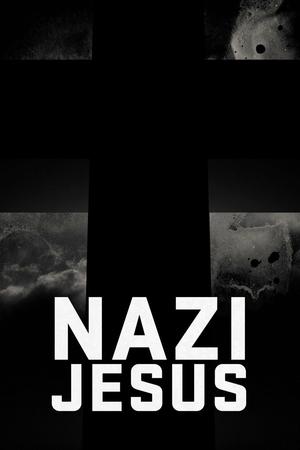
While Nazi ideology dominated Europe, Adolf Hitler used all dogmas to his advantage and fed the cult of his personality. How did the Führer manage to transform the Bible, the Church and the symbols of Christianity into instruments of power, winning the support of the Germans? This documentary traces the rise of a little-known theological organization: the “German Christians”, which became the most powerful propaganda tool of the Third Reich.
Produced by the Army Pictorial Service, Signal Corps, with the cooperation of the Army Air Forces and the United States Navy, and released by Warner Bros. for the War Activities Committee shortly after the surrender of Japan. Follow General Douglas MacArthur and his men from their exile from the Philippines in early 1942, through the signing of the instrument of surrender on the USS Missouri on September 1, 1945. Preserved by the Academy Film Archive in 2013.
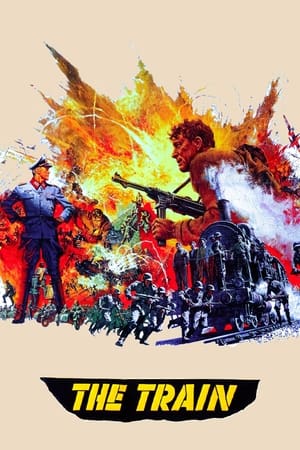
As the Allied forces approach Paris in August 1944, German Colonel Von Waldheim is desperate to take all of France's greatest paintings to Germany. He manages to secure a train to transport the valuable art works even as the chaos of retreat descends upon them. The French resistance however wants to stop them from stealing their national treasures but have received orders from London that they are not to be destroyed. The station master, Labiche, is tasked with scheduling the train and making it all happen smoothly but he is also part of a dwindling group of resistance fighters tasked with preventing the theft. He and others stage an elaborate ruse to keep the train from ever leaving French territory.
Two siblings are attending their grandfather's funeral when they discover that he was a Nazi.
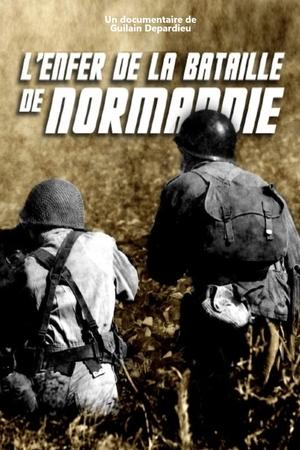
L'Enfer de la bataille de Normandie
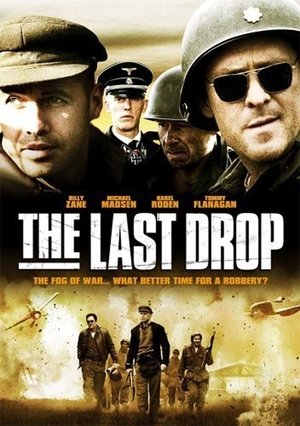
Different factions in WWII-era Holland race to find a stash of Nazi gold.
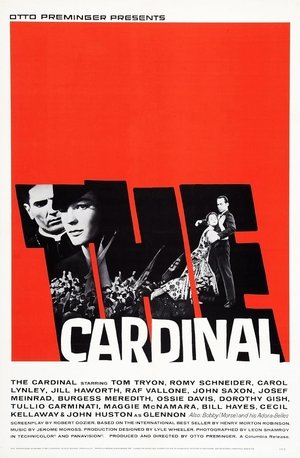
A young Catholic priest from Boston confronts bigotry, Nazism, and his own personal conflicts as he rises to the office of cardinal.
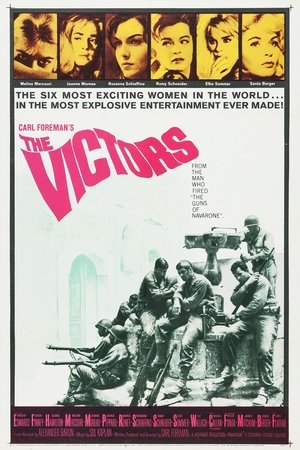
Intercutting dramatic vignettes with newsreel footage, the story follows the characters from an infantry squad as they make their way from Sicily to Germany during the end of World War II.
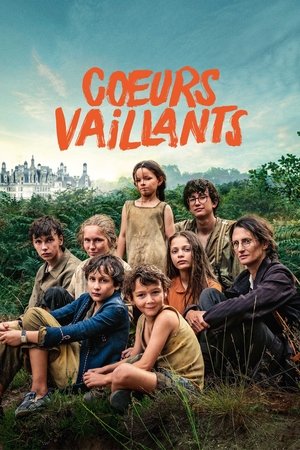
In August 1942, during the Second World War, Six Jewish children are trying to escape the Nazis. They are hidden by the resistance in the Chambord Castle, where paintings from Le Louvre are being stored as well. The Nazis are looking for paintings from private collections that would be hidden there as well.