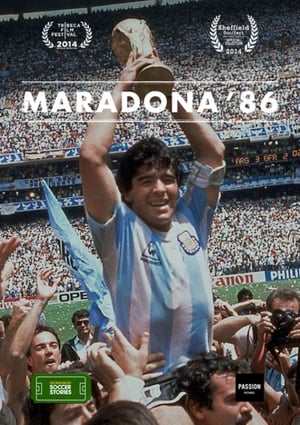
In the 1986 World Cup, Diego Maradona, the world's greatest football player, reached his apotheosis, redefining what is possible for one man to accomplish on a football pitch. His ability to take control of the ball -- the game -- an entire tournament -- split the world in two. It was both illuminating and an affront, beguiling and an outrage, and the fervor that surrounded him was unprecedented, bordering on the religious. Constructed from archive material, "Maradona '86" is an ode to this ultimate footballing idol, basking in the operatic intensity of his performance in Mexico as he wrote his name on football history forever.
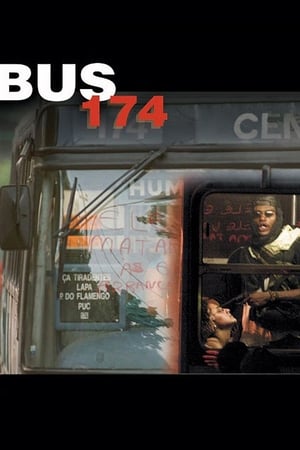
On 12 June 2000, in Rio de Janeiro, Ônibus 174 was taken by an armed young man, threatening to kill all the passengers. Transmitted live on all national networks, this shocking and tragic event became one of violence's most shocking portraits, and one of the most terrifying examples of police incompetence and abuse in recent years.
From humble origins to soccer legend, this documentary captures the rise of Colombia’s René Higuita, from iconic career to personal controversies.
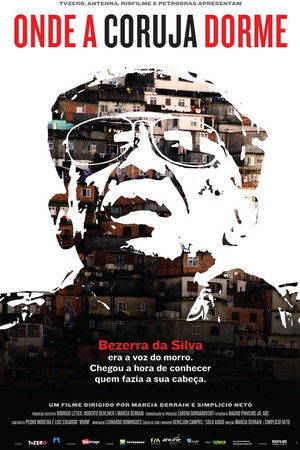
Documentary about the singer Bezerra da Silva and the relation with his composers.
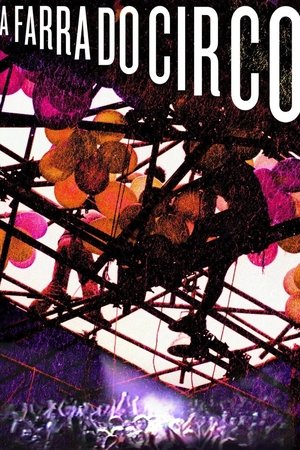
This documentary highlights the evolution of Brazil's Circo Voador venue from homespun artists' performance space to national cultural institution.
Chile hosts a decisive World Cup qualifier at Santiago’s National Stadium just weeks after the stadium had been transformed into a concentration camp and killing field for opponents of Augusto Pinochet (who had just gained power in a military coup). Though FIFA investigates the matter, the game goes on, with the Chilean team winning in a walkover after their opponents from the Soviet Union boycott in protest over the stadium's use
Es geht um Alles
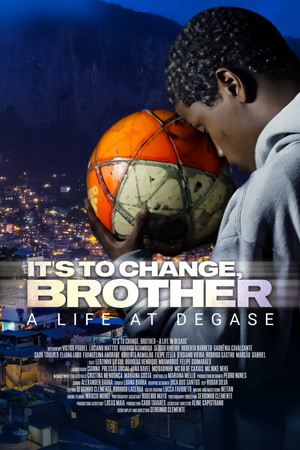
É Pra Mudar, Muleke - Uma Vida no DEGASE
Rap de Saia is a documentary that reports, through the voices and rhymes of the protagonists themselves, part of the historical trajectory of Female Rap in the State of Rio de Janeiro. In addition to its historical trajectory, Rap de Saia brings a collection of themes that leads us to reflect on women in today's society.
Using home videos from fans from across the globe and never-before-seen drone footage obtained during the victory parade in Buenos Aires, on streets dyed white and sky blue. The film invites viewers to immerse themselves in the world's most football obsessed nation, Argentina, to relive the emotional rollercoaster that was the country’s 2022 World Cup victory in Qatar and the record breaking celebrations that followed.
Documentary about the Football World Cup held in Argentina in 1978, focusing on the competition and behind the scenes of the most important soccer competition in the world. Two versions of the 1978 official film exist, the first "Copa 78 - O Poder do Futebol" was made by Brazilian directors Maurício Sherman and Victor di Mello in 1979 but was later withdrawn by FIFA because of its controversial content. The film includes an interview with Rodolfo Galimberti, one of the leaders of the Montoneros guerrilla group and also made accusations that the Argentinian competition organisation committee had deliberately hindered Brazilian chances of success by tampering with the pitch at Mar del Plata.
An unprecedented collection of pictures, characters and historical facts about the city of Rio de Janeiro, rescued by tv networks, documentary filmmakers and foreign journalists over the course of the 20th Century. The film reveals how Rio, its inhabitants and its cultural and natural attributes have been seen by foreigners. This is an opportunity to relive, through the eyes of a foreigner, social, political, technological and mundane events which Brazilians either did not manage to document audiovisually or whose works were lost.
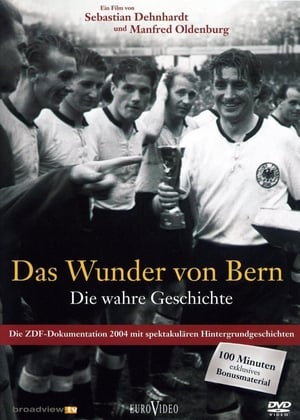
Das Wunder von Bern - Die wahre Geschichte
Documentary shows the German national handball team on their way to winning the title at the 2007 World Cup in their own country.
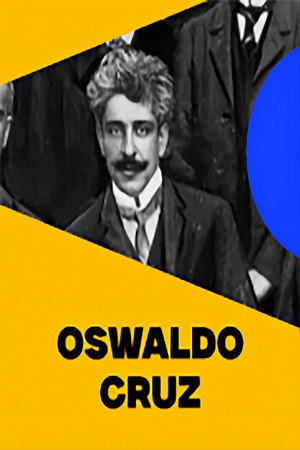
The film documents the old Rio de Janeiro and its great focus of diseases. Stresses the decisive importance of Oswaldo Cruz who creates Experimental Medicine in Brazil, believing that without sanitation, no undertaking could succeed. Rodrigues Alves then started the urbanization of Rio, against great interests.
Tradição e Herança Ancestral - A história dos Mestres de Folias de Reis de Nova Iguaçu
Documentary addressing the composer Cartola and the transformations that took place in Morro Carioca and in Samba during his life. Founder of the Escola de Samba Estação Primeira de Mangueira, Cartola has his life and his music marked by his community and his School, far from the city His school, created as a playful and expressive center for the mangueirense, has now become a point of tourist attraction. This made work possible for the inhabitants of the hill, but it transformed the spirit of samba and its aesthetics.
The film shows the lives of four foreign musicians from different backgrounds and musical genres that after visiting the City of Rio de Janeiro, ended up falling in love with the city, choosing it to live in and becoming typical cariocas.
Independent documentary about the hidden side of the 1990 FIFA World Cup.
L'Homme de Rio - A vida loca