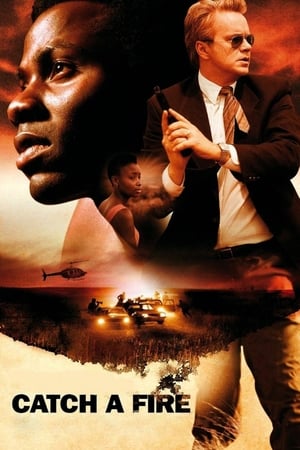
Two convicts—one white, one black—escape while chained to each other.
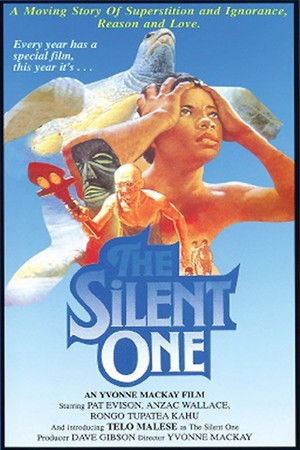
A baby is washed up on a Pacific Island and is adopted by a childless woman. The tribal priest takes an instant dislike to the child, proclaiming him a demon. The child is deaf and mute and therefore excluded from hunting with the other young men. Out of loneliness, he befriends a white turtle. When a drought befalls the island, the priest blames the silent one. When the chief protects the boy, the priest plots the chiefs' downfall.
Fish Out of Water manages to unfurl its light-hearted tale of young man and the sea, without a word of dialogue. Avoiding the morning traffic jams, our man (Nick Dunbar) finds peace by rowing each day to work in the city. But when a seductive blonde unexpectedly enters the picture, he finds his morning boat ride heading in unexpected directions. Directed by Lala Rolls (Land of My Ancestors), Fish Out of Water was invited to play in the 2005 NZ Film Festival, plus another 10 overseas fests. Victoria Kelly composes the brass and banjo-inflected soundtrack.
A soldier from Earth crashlands on an alien world after sustaining battle damage. Eventually he encounters another survivor, but from the enemy species he was fighting; they band together to survive on this hostile world. In the end the human finds himself caring for his enemy in a completely unexpected way.
Trucker Rubber Duck and his buddies Pig Pen, Widow Woman and Spider Mike use their CB radios to warn one another of the presence of cops. But conniving Sheriff Wallace is hip to the truckers' tactics, and begins tricking the drivers through his own CB broadcasts. Facing constant harassment from the law, Rubber Duck and his pals use their radios to coordinate a vast convoy and rule the road.
Constance is a bored, movie-loving schoolteacher in post-WW2 New Zealand who begins to fantasize that she's a Hollywood star - with tragic consequences.
Based on the true life experiences of poet Jimmy Santiago Baca, the film focuses on half-brothers Paco and Cruz, and their bi-racial cousin Miklo. It opens in 1972, as the three are members of an East L.A. gang known as the "Vatos Locos", and the story focuses on how a violent crime and the influence of narcotics alter their lives. Miklo is incarcerated and sent to San Quentin, where he makes a "home" for himself. Cruz becomes an exceptional artist, but a heroin addiction overcomes him with tragic results. Paco becomes a cop and an enemy to his "carnal", Miklo.
Robin is 16 and has had enough: permanent trouble at school and at home. On the run from his dull everyday life, he joins a group of skinheads. The clique strengthens their sense of belonging by beating up foreign youths. This is how the "apolitical" boy slips into the right-wing scene, and it's not easy to get out of it. When they injure a Turkish girl during a robbery, Robin, of all people, is questioned by the police.
Robert Gould Shaw leads the US Civil War's first all-black volunteer company, fighting prejudices of both his own Union army and the Confederates.
The life story of New Zealander Burt Munro, who spent years building a 1920 Indian motorcycle—a bike which helped him set the land-speed world record at Utah's Bonneville Salt Flats in 1967.
A failed track coach finally finds someone who he believes has what it takes to win. The Comrades Marathon is a 90-k race in South Africa. An aging running coach, Barry, wants to field a winner; he's working with four men from a factory, but when he's fired to make way for a smooth, corporate type, he's at loose ends. Then he sees Christine, a Namibian immigrant who runs to forget her troubles. He offers to coach her and soon she's living at his house, following his diet and training regimen. But his single-mindedness gets to her: she wants a job and a place of her own. Plus, the man who replaced Barry likes her and wants her away from Barry. Can runner and coach (woman and man, African and European) sort out their complex relationship before the race? Written by
The 1870's. South Africa. Life is normal at the farm on the slopes of a Karoo Kopje.Things change when the sinister, eccentric Bonaparte Blenkins with bulbous nose and chimney pot hat arrives. Their childhood is disrupted by the bombastic Irishman who claims blood ties with Wellington and Queen Victoria and so gains uncanny influence over the girls' gross stupid stepmother.
An insecure Briton and a Briton of Jamaican descent share a London apartment together.
Geeky teenager David and his popular twin sister, Jennifer, get sucked into the black-and-white world of a 1950s TV sitcom called "Pleasantville," and find a world where everything is peachy keen all the time. But when Jennifer's modern attitude disrupts Pleasantville's peaceful but boring routine, she literally brings color into its life.
The Three Cousins is a comedy-drama by René Vautier released in 1970 about the living conditions of three Algerian immigrant cousins looking for work in Paris. Housed in a narrow construction shed, the coal stove will cause them to suffocate. The Three Cousins won the Best Human Rights Film Award in Strasbourg in 1970.
Based on the autobiographical work of New Zealand writer Janet Frame, this production depicts the author at various stage of her life. Afflicted with mental and emotional issues, Frame grows up in an impoverished family and experiences numerous tragedies while still in her youth, including the deaths of two of her siblings. Portrayed as an adult by Kerry Fox, Frame finds acclaim for her writing while still in a mental institution, and her success helps her move on with her life.
In the early years of the 20th century, Mohandas K. Gandhi, a British-trained lawyer, forsakes all worldly possessions to take up the cause of Indian independence. Faced with armed resistance from the British government, Gandhi adopts a policy of 'passive resistance', endeavouring to win freedom for his people without resorting to bloodshed.
As a Chinese boy transitions from childhood to adolescence, he finds himself lost in a world that tells him he should hate where he comes from with being confronted by racial hatred. He stumbles across some strange footage on TV. SUNNY digs into the the importance of Chinese history, the need for young people to see themselves, and the anger that comes when loneliness engulfs you.
The love story of an abused English girl and a Chinese Buddhist in a time when London was a brutal and harsh place to live.
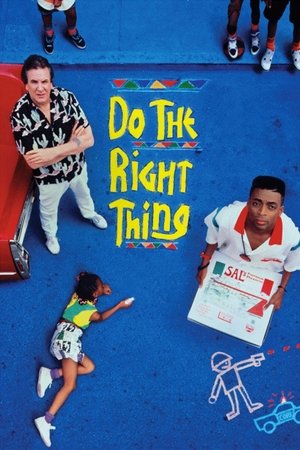
Sal is the Italian owner of a pizzeria in Brooklyn. A neighborhood local, Buggin' Out, becomes upset when he sees that the pizzeria's Wall of Fame exhibits only Italian actors. Buggin' Out believes a pizzeria in a black neighborhood should showcase black actors, but Sal disagrees. The wall becomes a symbol of racism and hate to Buggin' Out and to other people in the neighborhood, and tensions rise.