An in-depth look into the creative and technical processes that brought us the heart-stopping visual effects of the film, with director Stephen Sommers and the crew at Industrial Light & Magic (ILM).
Any given Sunday of 1974 in Spain, soccer games in several stadiums, the sarcastic voice of commentators, the inevitable presence of advertising. Goal! The victors and the defeated.
From the ambitious young filmmaker behind Boundless, The Weaving of a Dream is a short documentary that details the making of Johnnie To's film Three.
Emerging from the depths of the film industry, the Mad Max saga became an instant cult classic after the release of the first film in 1979. These five critically acclaimed films have continued to captivate audiences. They shaped the identity of Australian cinema, launched a movie star – Mel Gibson – and propelled George Miller as one of the greatest directors of his generation. Above all, Mad Max has left an indelible mark on our collective unconscious, redefining our vision of the apocalypse and human civilization. This documentary tells the story of this phenomenon, from the small production of the first film to the monumental later installments, drawing on interviews and rare archives.
Set to a classic Duke Ellington recording "Daybreak Express", this is a five-minute short of the soon-to-be-demolished Third Avenue elevated subway station in New York City.
Paparazzi explores the relationship between Brigitte Bardot and groups of invasive photographers attempting to photograph her while she works on the set of Jean-Luc Godard's film Le Mépris (Contempt). Through video footage of Bardot, interviews with the paparazzi, and still photos of Bardot from magazine covers and elsewhere, director Rozier investigates some of the ramifications of international movie stardom, specifically the loss of privacy to the paparazzi. The film explains the shooting of the film on the island of Capri, and the photographers' valiant, even foolishly dangerous, attempts to get a photograph of Bardot.
Split into three parts and featuring interviews with the crew of SOUTHLAND TALES, including Richard Kelly, the story of how this film was made, screwed over in post-production and still technically is unfinished is told.
A deeply human portrait of a boxer with the heart of a lion who refused to give up, in and outside of the ring. This documentary follows the fighter's life from a child who was taught how to hate, to a father who learned how to love.
Two countries, two restaurants, one vision. At Gabriela Cámara's acclaimed Contramar in Mexico City, the welcoming, uniformed waiters are as beloved by diners as the menu featuring fresh, local seafood caught within 24 hours. The entire staff sees themselves as part of an extended family. Meanwhile at Cala in San Francisco, Cámara hires staff from different backgrounds and cultures, including ex-felons and ex-addicts, who view the work as an important opportunity to grow as individuals. A Tale of Two Kitchens explores the ways in which a restaurant can serve as a place of both dignity and community.
Jason Bateman, Laura Linney and other cast members open up about the show's characters and creators, plus what they'll miss most.
An exploration —manipulated and staged— of life in Las Hurdes, in the province of Cáceres, in Extremadura, Spain, as it was in 1932. Insalubrity, misery and lack of opportunities provoke the emigration of young people and the solitude of those who remain in the desolation of one of the poorest and least developed Spanish regions at that time.
On April 13, 2011, Les Films 13 production company turned 50. How can one celebrate an anniversary of this sort ? By simply making "another" film that would sum up all the earlier ones. D'un film à l'autre is hence a kind of anthology of the films produced Les Films 13 since the 1960s (short and feature films written and directed for the main part by Claude Lelouch), a best-of of half a century of cinema, going from Le Propre de l'homme to What Love May Bring. A biography in images of a filmmaker as admired as he is criticized. In reality, D'un film à l'autre is more than a series of film excerpts, interviews, and making-of documents (some of which possess an undeniable historical value, like that from A Man and A Woman, or the final performances of Patrick Dewaere).
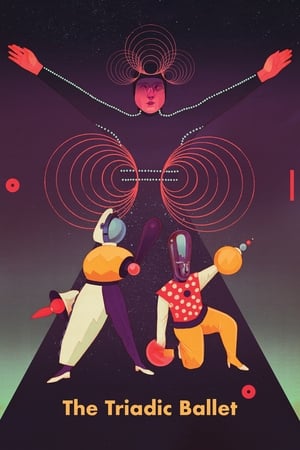
An examination of the choreographed fight scenes and bizarre costuming.
Features the editing and scoring processes, a proposed narration by Orson Welles, and some of the controversies inherent in the film's release.
Four neighborhoods. Four churches. Four colors. Blue. Red. White. Green. A square. A ball. Two goals. Fifty minutes, there are no rules. During the third week of June, every year since 1580, four teams of twenty-seven men fight for victory in the arena of Santa Croce. Florence, June, 2013. Calcio storico fiorentino. The origin of football.
La rosa dei nomi
Flubs and bloopers that occurred on the set of some of the major Warner Bros. pictures of 1938.
Anything can happen on Russian roads and is precisely shot by the dashboard camera. Super-objective video registration grows into the strong image of Russian national character – with its permanent awaiting for the miracle and habitual approach to real dramas. A forest on fire as a symbol of Russian hell, a military tank at a car wash and car chase in the vicinity of Kremlin shot with a dashboard cam at the same time when Boris Nemtsov, the leader of political opposition, was shot dead near Kremlin. Dashboard cam depicts life in it’s purity as an unbiased observer.
Delves into the world of makeshift oil refineries and the stark realities of life in war-torn northern Syria,. Mahmood is a prominent figure in these operations, navigating complex working conditions and local dynamics.
For detained immigrants who can’t pay their bond, for-profit companies like Libre by Nexus offer a path to reunite with their families. But for many, the reality is much more complicated. “Libre” sheds light on one of many hidden costs of reunification for immigrant families.