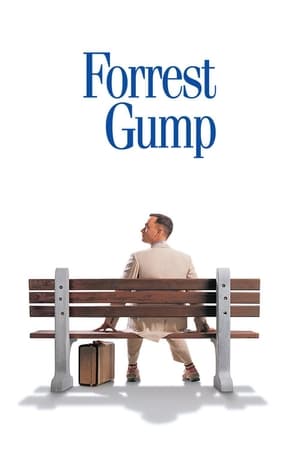
A man with a low IQ has accomplished great things in his life and been present during significant historic events—in each case, far exceeding what anyone imagined he could do. But despite all he has achieved, his one true love eludes him.
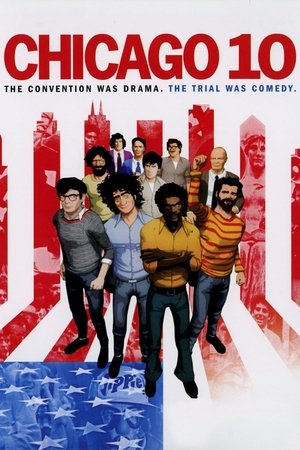
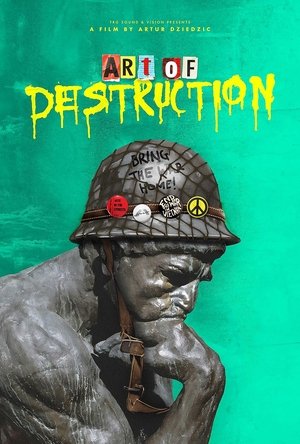
Archival footage, animation and music are used to look back at the eight anti-war protesters who were put on trial following the 1968 Democratic National Convention.
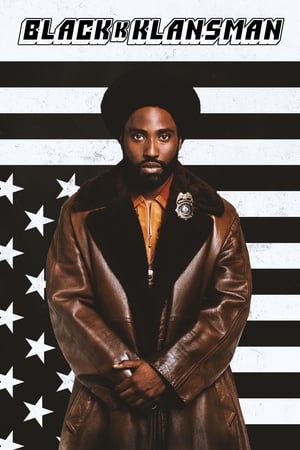
Colorado Springs, late 1970s. Ron Stallworth, an African American police officer, and Flip Zimmerman, his Jewish colleague, run an undercover operation to infiltrate the Ku Klux Klan.
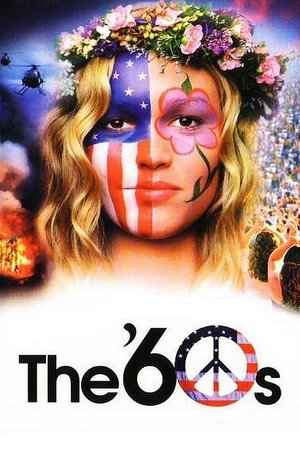
The Herlihys are a working class family from Chicago whose three children take wildly divergent paths: Brian joins the Marines right out of High School and goes to Vietnam, Michael becomes involved in the civil rights movement and after campaigning for Bobby Kennedy and Eugene McCarthy becomes involved in radical politics, and Katie gets pregnant, moves to San Francisco and joins a hippie commune. Meanwhile, the Taylors are an African-American family living in the deep South. When Willie Taylor, a minister and civil rights organizer, is shot to death, his son Emmet moves to the city and eventually joins the Black Panthers, serving as a bodyguard for Fred Hampton.
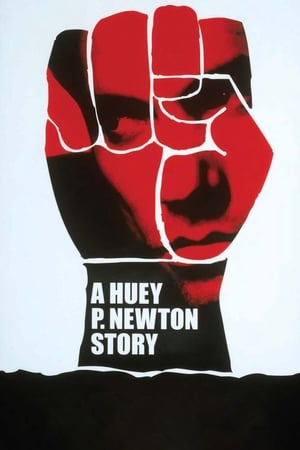
The story of how the radical Huey P. Newton developed the Black Panther Party based on his 10-point program for social reform.
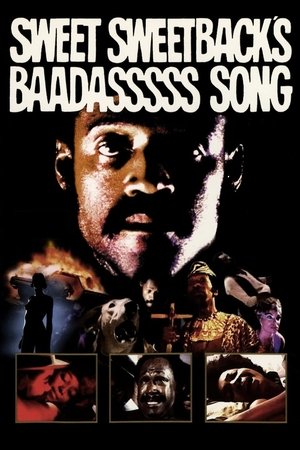
After saving a Black Panther from some racist cops, a black male prostitute goes on the run from "the man" with the help of the ghetto community and some disillusioned Hells Angels.
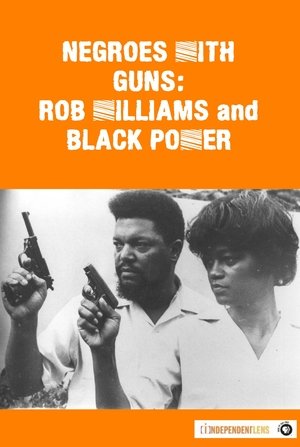
Rob Williams was an African-American living in Monroe, North Carolina in the 1950s and 1960s. Living with injustice and oppression, many African-Americans advocated a non-violent resistance. Williams took a different tack, urging the oppressed to take up arms. Williams was stripped of his rank as leader of the local NAACP chapter, but he continued to encourage local African-Americans to carry weapons as a means of self-defense. Wanted on a kidnapping charge, Williams and his wife fled to Cuba. His radio show Radio Free Dixie could be heard in some parts of the United States.
In the early 60s, Bernward Vesper and fellow university student Gudrun Ensslin begin a passionate love in the stifling atmosphere of provincial West Germany. Dedicated to the power of the written word, Bernward and Gudrun found a publishing house whose first publication is, paradoxically to many, a controversial past work of Bernward's ostracized father, an infamous Nazi author. Bernward defends his father's writing ability, even if he is haunted by his father's suspicious past.
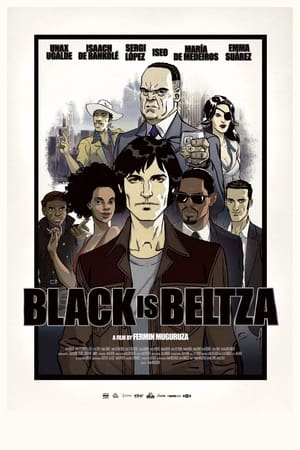
New York City, October 10, 1965. A group of wooden giant figures from Pamplona, representing Basque culture and traditions, parade down the street; but the local authorities have not allowed the appearance of all of them: due to the racial prejudices that persist in many sectors of society, the participation of two black giants has been banned.
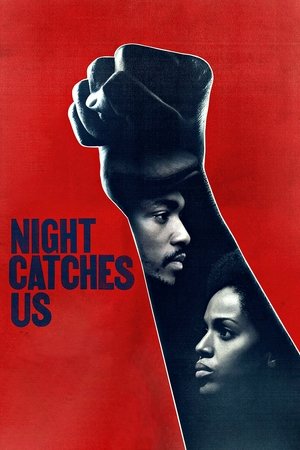
After growing up during the tumultuous 1960s, ex-Black Panther Marcus returns to his home in Philadelphia in 1976 and reconnects with Pat, the widow of a Panther leader. Marcus befriends Pat's young daughter and attempts to conquer his demons. Interfering with Marcus's good intentions are the neighborhood's continuing racial and social conflicts, as well as old enemies and friends -- both with scores to settle.
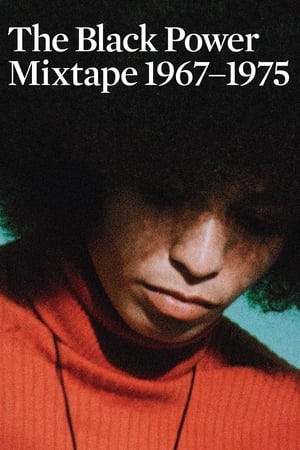
Examines the evolution of the Black Power Movement in US society from 1967 to 1975. It features footage of the movement shot by Swedish journalists in the United States during that period and includes the appearances of Angela Davis, Bobby Seale, Huey P. Newton, Eldridge Cleaver, and other activists, artists, and leaders central to the movement.
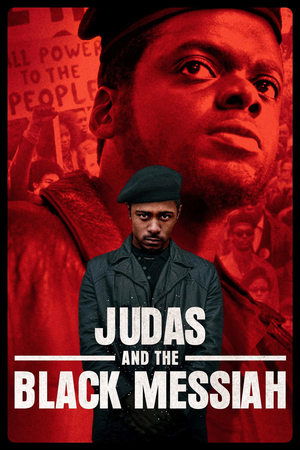
Bill O'Neal infiltrates the Black Panthers on the orders of FBI Agent Mitchell and J. Edgar Hoover. As Black Panther Chairman Fred Hampton ascends—falling for a fellow revolutionary en route—a battle wages for O’Neal’s soul.
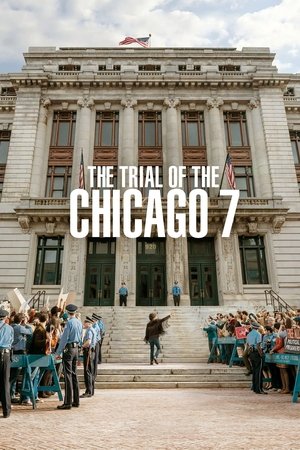
What was supposed to be a peaceful protest turned into a violent clash with the police. What followed was one of the most notorious trials in history.
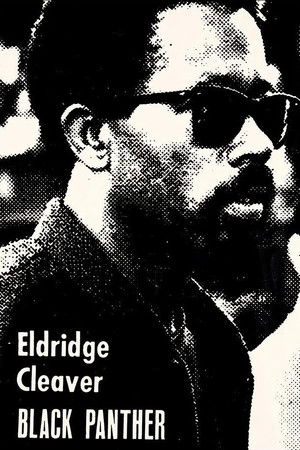
The portrait of Eldridge Cleaver, the "Minister of Information" for the Black Panthers movement, in exile in Algiers.
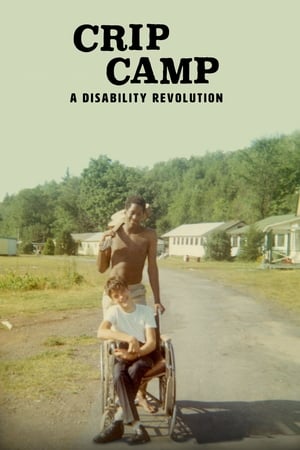
Down the road from Woodstock in the early 1970s, a revolution blossomed in a ramshackle summer camp for disabled teenagers, transforming their young lives and igniting a landmark movement.
Vietnam vet Jon Rubin returns to New York and rents a rundown flat in Greenwich Village. It is in this flat that he begins to film, 'Peeping Tom' style, the people in the apartment across the street. His obsession with making films leads him to fall in with a radical 'Black Power' group, which in turn leads him to carry out a bizarre act of urban terrorism.
Hear the inside story of Huey Newton and the Black Panthers with this documentary that examines their efforts to promote the rights of African Americans as well as the organization's violent tactics, including the killing of a police officer. The film features a rare jailhouse interview with Newton discussing the role of revolution and civil disobedience, plus footage of several Panthers' bullet-riddled homes following police raids.
A compelling document of the Black Panther Party leadership in 1967. This film contains a prison interview with Minister of Defense Huey P. Newton as well as an interview with Minister of Information Eldridge Cleaver, footage of the aftermath of the police assault against the Los Angeles Chapter headquarters, demonstrations to free Huey at Hutton Memorial Park and the Alameda County Court House and a recitation of the party's Ten-Point Platform by co-founder Bobby Seale. Newsreel's 19th, and one of their most widely distributed films, it was originally released as "Off the Pig," but has since seen release under the name Black Panther. This short film features drawings from activist artist Emory Douglas.
The story of the Black Panthers is often told in a scatter of repackaged parts, often depicting tragic, mythic accounts of violence and criminal activity; but this is an essential story, vibrant, human; a living and breathing chronicle of a pivotal movement that birthed a new revolutionary culture in America.
A film about one of the most iconic images of the 20th century, the moment when the radical spirit of the 1960s upstaged the greatest sporting event in the world. Two men made a courageous gesture that reverberated around the world, and changed their lives forever. This film is about Tommie Smith and John Carlos' protest at the 1968 Olympics.