A horror film about a screenwriter who loses the ability to distinguish between his fantasy world and the real world, with disastrous consequences. As he ruminates on his place in any world and loses his grip, he also loses his wife and his children's respect, and critics tear him apart. The final undoing of this screenwriter is a deadline that must be met at all costs, costs that perhaps are too great.
Through the conversation with Yugoslav film authors and excerpts from their films, this documentary film tells a story of a film phenomenon and censorship, and its focus is, in fact, a painful epoch of Yugoslav film called “a Black Wave”, which was the most important and artistically strongest period of Yugoslav film industry, created in the sixties and buried in the early seventies by means of ideological and political decisions. The film tells a great “thriller” story of the ideological madness which characterised the totalitarian psychology having left multiple consequences felt up to our very days. It stresses similarities between totalitarian regimes defending their taboos on the example of the persecution of the most important Yugoslav film authors. Those film authors have, however, made world careers and inspired many later authors. The film is the beginning of a debt pay-off to the most significant Yugoslav film authors.
Brazil and Angola while on either side of the Atlantic Ocean have the same language, a common colonial past and many shared stories. In this film, correspondence is exchanged between these two places – some people are longtime friends, others have never met. Their stories intertwine and tell about migration, nostalgia, belonging, war, prejudice, exile and distance. The search for identity and flow of memory are driven by the line of affection that binds the seven pairs of speakers presented in this documentary, people whose life stories are traced between Brazil, Angola and Portugal.
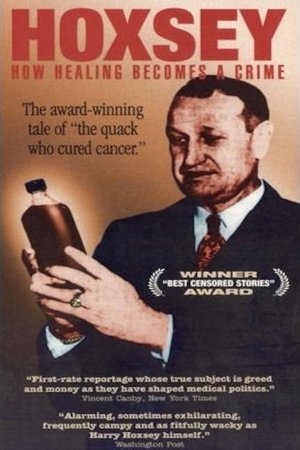
In the 1920s, former coal miner Harry Hoxsey claimed to have an herbal cure for cancer. Although scoffed at and ultimately banned by the medical establishment, by the 1950s, Hoxsey's formula had been used to treat thousands of patients, who testified to its efficacy. Was Hoxsey's recipe the work of a snake-oil charlatan or a legitimate treatment? Ken Ausubel directs this keen look into the forces that shape the policies of organized medicine.
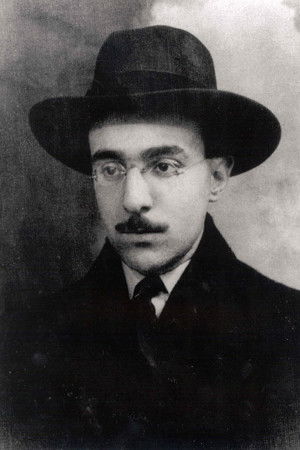
The documentary about the life of Fernando Pessoa, defended by journalist Clara Ferreira Alves, underlines how, in just 30 years, Fernando Pessoa built an immense body of work, of astonishing quality and all of this while being nothing more than an anonymous office worker all his life.
Dialogue-free short detailing the daily tasks of a man and his wife.
Stylized with dramatic interiors and a distorted frame rate, this early documentary miniature from Szulkin depicts six sequences of solitary, repetitious labor.
In 1980s Hollywood, adult film star and aspiring actress Maxine Minx finally gets her big break. But as a mysterious killer stalks the starlets of Hollywood, a trail of blood threatens to reveal her sinister past.
The film portraits the stage previous to the outbreak of the Mexican Revolution, from the end of Porfirio Díaz´ government, the social volatility, the ephemeral government of Madero and the presence of the working class in the figures of Villa and Zapata, until the signing if the Constitution of 1917. All of this through moving images, filmed during those events mainly by the Alva brothers, filmmakers of that time. Those images let us perceive the contradictory and shuddered glance of the people of that period.
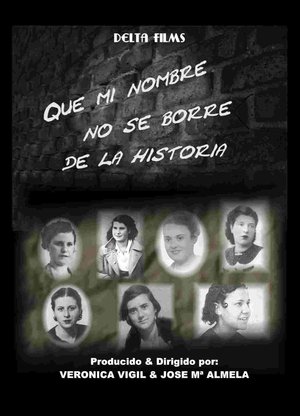
A documentary about how Republican forces lost to Franco in the Spanish Civil War.
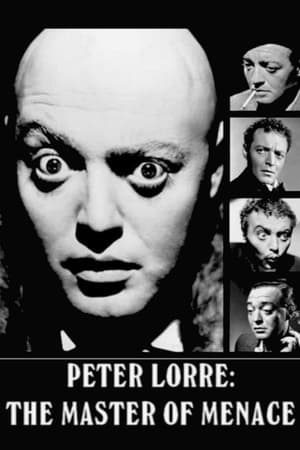
Documentary overview of Peter Lorre's ascension to fame as a master purveyor of silky but disquieting peril.
In Japan, a million young men have shut the door on real life. Almost one man in ten in his late teens and early twenties is refusing to leave his home – many do not leave their bedrooms for years on end.
Los 5 Faust de F. W. Murnau
Gonzalo Suárez: Sam Peckinpah, director salvaje
The Cinema According to Dalí
Albert Camus, la tragédie du bonheur
Dame veneno
How are the sex scenes filmed? What tricks are used to fake the desire? How do the interpreters prepare and feel? Spanish actors and directors talk about the most intimate side of acting, about the tricks and work methods when narrating exposed sex. In Spain the general rule is that there are no rules. Each film, each interpreter, faces it in very different ways.
The history of Bruguera, the most important comic publisher in Spain between the 1940s and the 1980s. How the characters created by great writers and pencilers became Spanish archetypes and how their strips persist nowadays as a portrait of Spain and its people. The daily life of the creators and the founding family, the Brugueras. The world in which hundreds of vivid colorful paper beings lived and still live, in the memory of millions, in the smile of everyone.
De reparto: retrato de un actor