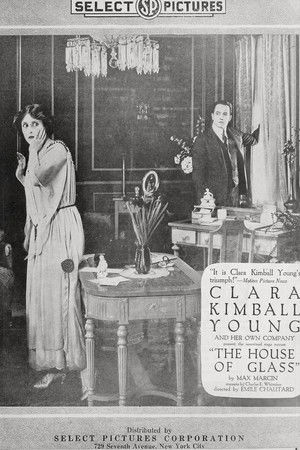
Based on the David Belasco stage production of the Max Marcin play in which heavyweight-champion Jack Dempsey played the role of the fighter, Tiger: This "behind-the-scenes look of a heavyweight-championship fight" looks much like all of the other boxing films in which the Champ gets involved in a frame-up and is asked to take a dive.
This part-talkie (17 minutes of dialogue in its 83-minute running time) tells the tale of Christina, the daughter of Dutch toymaker Niklaas. Much to her dad's dismay, Christina falls in love with sideshow huckster Jan. Likewise disapproving of the romance is Jan's jealous employer Mme. Bosman, who frames the young man on an embezzlement charge.
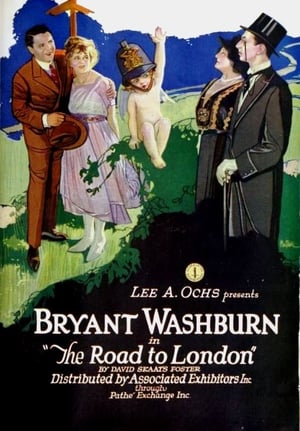
Society miss Sally Raeburn is left penniless and is helped out by an older woman. The woman makes it clear that to repay her, Sally must marry wealth, so when the very well-heeled Lester comes to her village, Sally goes after him. Lester has been traveling incognito in the hopes that no one will discover him, so when Sally wins him she feels guilty and confesses that she knew who he was all along.
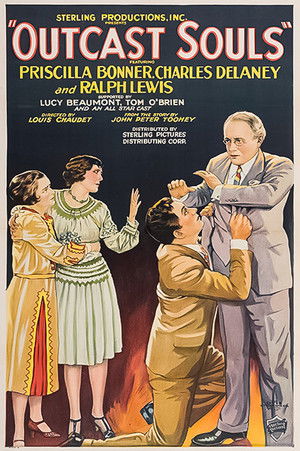
When taken to a San Francisco cafe by her sweetheart Jimmy, Georgia Rodman witnesses the shooting of a policeman by an underworld gang. The owner, O'Rourke, whom Jimmy believes to be his friend, sends one of his men to their table to inquire about Georgia, and after he shoots the policeman, Georgia and Jimmy are held for questioning. As a result, Georgia is turned out of her home, and O'Rourke gives the couple a room in his hotel. Assistant District Attorney Steven Graham links the missing couple with O'Rourke's activities and collects evidence against him. O'Rourke plans to bribe Graham and have Jimmy shot on the night of his annual ball, and Sally, O'Rourke's ex-mistress, learning of the plan, turns against him and informs Georgia; finding Jimmy wounded, Georgia seeks revenge at the ball, but Sally shoots O'Rourke. Georgia is reunited with her family and Jimmy, while Graham finds happiness with her sister Mary. It is considered to be a lost film.
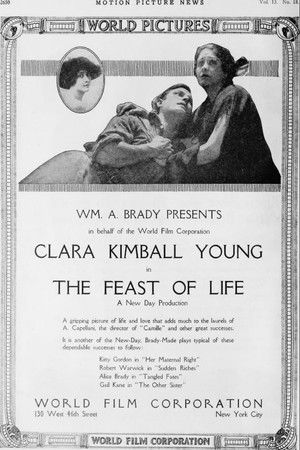
Vallery Grove is in love with Don Warren but her mother opposes the match because he is poor and has no social standing. Don decides to terminate his engagement to Vallery after attending a party where he meets a spoiled rich girl who is interested in him.
To help secret serviceman Bill Parsons in pursuit of the thieving Benson gang wealthy criminologist Henry Avery sends his assistant Blinky to cover the waterfront while he attends a reception at the home of Mrs. Cornelius Westervelt. At the soiree he meets gang member Alice Carter while also discover the gang’s cache hidden there. Captured Parsons is saved by Blinky, and the pair foil the gang’s attempt to rob Mrs. Westervelt and her guests.
Dorothy Phillips was starred as Elinor Crawford, a small-town girl who becomes a reporter on a big-city newspaper -- and immediately plunges into the "Bohemian" lifestyle. Assigned to interview a condemned murderer, Elinor must first obtain permission from criminal lawyer Evan Klavert (William Stowell), who happens to hail from Elinor's hometown and who prudishly disapproves of her current mode of living.
Caravan of Death (German: Die Todeskarawane) is a 1920 silent German film, it was an adaptation of the latter half of the Karl May novel From Baghdad to Stamboul, and is now considered to be lost. The film featured Bela Lugosi playing an Arab Sheik pitted against European travellers in an adventure story set in the Sahara. It was the second of three films released by Ustad based on desert adventure novels by Karl May. Although Karl May’s widow praised the film, critics were unimpressed and it was a commercial failure.
After his beloved daughter leaves for the city to pay off his debt, an old farmer goes mad when her letters become less frequent and it is suspected she may be using her body to get the money.
Belle Bennett plays as the widowed mother of seven children living in Sioux City, Iowa. She moves with them to Cambridge, Massachusetts in order to educate her children with culture and give them every advantage. Bennett, who is unversed in financial matters, soon faces poverty for herself and her children. She takes out a loan from an unscrupulous lender (played by Richard Tucker), who is so impressed by the charm and valiant spirit of Bennett than he neglects to ask her for collateral. Bennett, however, is only able to partially pay her creditors. Marion Nixon, Bennett's eldest daughter, is shocked by her mother's actions and attempts to sacrifice herself to Tucker in order to clear her mother's obligations, even though she is engaged to marry a well to do Harvard undergraduate, played by Rex Bell. This film is believed lost.
Nick Carraway, a young Midwesterner now living on Long Island, finds himself fascinated by the mysterious past and lavish lifestyle of his neighbor, the nouveau riche Jay Gatsby. He is drawn into Gatsby's circle, becoming a witness to obsession and tragedy.
Maud and Cecil have been in love since they were children in the pre-Civil War South, but Howard, Maud's domineering brother, disapproves of a marriage between them. Instead, he has chosen English nobleman Lord Lovelace as the ideal fiancé for Maud. On the night that the engagement is to be announced, however, she elopes with Cecil. The runaways are caught, though, after which, because of her loyalty to her brother, Maud sends Cecil away. When the Civil War begins, Howard, Lovelace and Cecil all volunteer, and are all soon reported killed in action. Heartbroken, Maud decides to become a nun, and takes her vows just moments before Cecil, whose death was mistakenly reported, returns from the battlefield and comes to the convent to ask her to marry him.
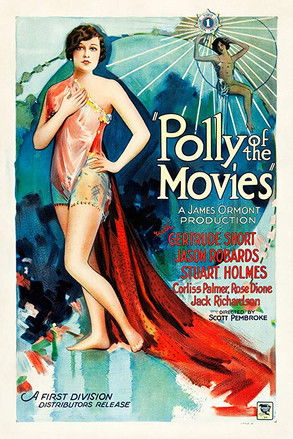
Wealthy, aging millionaire John Hunter Yates (Frank Morgan) seeks to recapture his youth by pursuing a young actress, Blossom Bailey (Elissa Landi), leading him from America to Europe, where he finances her and a musician lover, only to realize his mistakes and return to his neglected wife, Elinor, understanding their true connection.
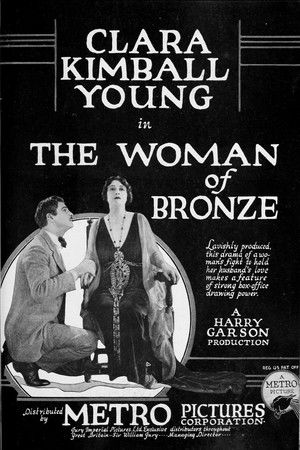
Nancy Bradshaw (Katherine MacDonald) is a popular stage star who quits her career to marry millionaire clubman Dick Cunningham (Charles Richman). But after a few years of marriage, he starts seeing other women. Figuring that her public was more faithful to her than her husband, Nancy returns to the stage.
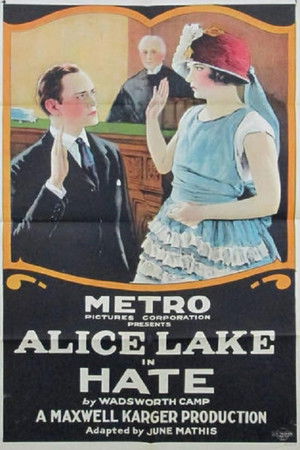
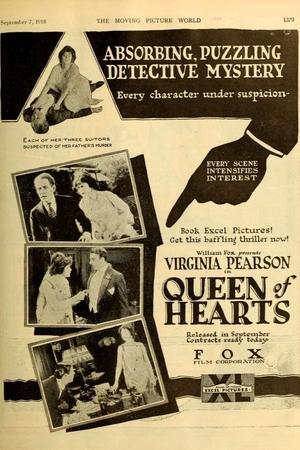
Babs Van Buren saves her lover from the electric chair and at the same time extricates her older sister, Connie from a trying situation.
Two married couples, Doris (Helen Chadwick) and John Manning (Gayne Whitman) and Clara (Dorothy Revier) and Herbert Bradley (Ray Ripley), each separate as a result of domestic arguments. After certain misunderstandings and false accusations, peace is returned on the home front.
Lydia Jansen is happily married to a young customs inspector, but she harbors a dark secret. She is addicted to smoking opium or in slang parlance “hop.” To keep her secret, she willingly pays the blackmail her maid extorts from her having learned of Lydia’s habit through her own fiancée who is part of the ring importing the devil’s brew. Something unknown to all is that the operation is run by Lydia’s father an important politician in the city where this all occurs. As her husband’s investigation tightens the noose on the organization Lydia faces a crisis.
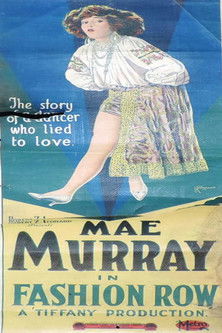
Wealthy Jack Stimson (Jay Belasco) falls in love with Broadway diva Velma Vrooman (Gretchen Lederer), and for her sake bankrolls the musical production in which she is currently starred. But when Velma proves to be fickle and unreliable, Jack shifts his affections to humble chorus girl Bobbie (Louise Lovely).
Broken Fetters
Paris vamp Ernestine Bergot, posing as wealthy Englishwoman Sarah Brandon, goes to work on aging Count Ville Handry after first warming up on Malgat, a banker whom she ruined. Ernestine convinces the count to marry her despite his daughter's strenuous objections and then gains complete control of his fortune. Her steady milking of his funds makes the count decide to kill himself, but just as he is about to do it, Malgat, who has managed to catch up with Ernestine, exposes her to the authorities. Then, instead of the count, it is Ernestine who commits suicide rather than submit to arrest. A lost film.