Between 1944 and 1953, 170,000 Estonians, Latvians, and Lithuanians put up fierce resistance to the Soviet invasion, hiding deep in the vast Baltic forests. Driven by a dream of freedom, they defied a ruthless empire with few resources but unwavering determination. Through previously unseen archives and the poignant accounts of the last survivors, this documentary reveals their clandestine struggle, their heroic sacrifices, and their legacy, timeless symbols of a desperate fight to escape the Soviet stranglehold and preserve the flame of independence.
An isolated village in the Lithuanian countryside. Seated in her house, an elderly woman recites an old folk story. Then she climbs up the tall ladder that takes her to the rooftop of the church.
Red Terror documents the soviet occupation of Lithuania and the resistance movements that sprang up in opposition to the brutal tactics used by the communists from 1941 up to 1991. Stories of deportation, life in the Gulag, exile to Siberia, KGB prison torture, confiscation of land are told by living survivors. Resistance fighters and those who aided them also share their stories for the first time to an American audience. Rare historical photos and moving images are used to bring these stories to life.
Between 1944–1953, courageous resistance movement took place in the Baltic region of Europe, uniting the partisan troops for struggle against the Soviet Union. “The Invisible Front” was a coded name used by the Soviet Interior forces to describe the resistance movement in Lithuania. Film depicts the story of the fighters through the words and experience of the partisan leader, Juozas Luksa, and interviews with eyewitnesses of those events - both the partisans and the Soviet fighters. Tales of horror, torture and courage are told in the rare archival footage that has never been screened before, and interviews with the surviving members of the resistance movement.
Mathieu Collette, a passionate blacksmith, renovates an abandoned heritage building belonging to the City of Montreal to create a blacksmithing school. Sixteen years later, after turning the building into an internationally renowned center for the transmission of living heritage, Mathieu is threatened with eviction for obscure administrative reasons, in the very year of Montreal's 375th anniversary. What could possibly justify putting one of Quebec's last blacksmiths out on the street, as the bearer of an unparalleled social and heritage project? Filmed over several years, this documentary traces Forges de Montréal's fight against the disappearance of a part of our collective memory.
The film - an open, sincere, warm and funny story about Arvydas Sabonis life and career. This is particularly characteristic of a T-shirt with the number 11 worn out 2.20 m tall basketball giant Olympic and world champion, portrait.
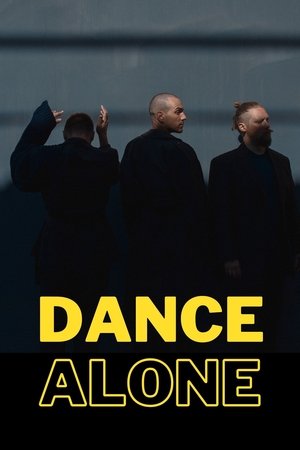
Dance Alone
An ode to rural France and the simple joys of life, Dominique Benicheti's glorious masterpiece Cousin Jules captures the daily routine and rituals of Jules, a blacksmith, living with his wife, Felice, on a small farm in the French countryside.
Jonas Mekas weaves an elegiac diary film from his 1971–72 return to Lithuania, chronicling a visit to his birthplace of Semeniškiai after decades in exile. Blending personal memory with documentary observation, the film becomes both a portrait of homecoming and a meditation on displacement, family, and the passage of time.
Written and directed by Jason Young (Animals, Inside Time), Gun Killers takes us into the rural, secluded paradise that retired blacksmiths John and Nancy Little call home. As the tranquil light of a typical day of harvesting vegetables descends into night, we experience the secret work that John and Nancy are sometimes called upon to undertake for the RCMP.
The film is an emotional story about fateful historical events in the 20th century, which took place in three Baltic countries- Latvia, Lithuania and Estonia. The story is also about their efforts to gain independence.
A home movie by Adolfas Mekas and wife Pola Chapelle on their travels to Lithuania and Europe. It was filmed concurrently with the more highly regarded “Reminiscences of a Journey to Lithuania” by Jonas Mekas, brother to Adolfas.
With striking images and meticulous sound work, Burial reminds us of the paradoxical relationship between scientific development and the destruction of nature. Questioning the effects of human activity on the planet we inhabit and which we have put at risk, the film focuses on the unsolved issues of nuclear plants and nuclear activity.
A profile of blacksmith George Garfield, among whose Hollywood clients were the horses of Joel McCrea and Guinn "Big Boy" Williams.
Forja Madeirense
Lithuanian photographer, the legend of Soviet Sixties' generation Vitas Luckus tragically passed away in 1987. Yet the life and times of the talented rebel still impassion and lead us to a journey questioning why, at all times, we are wary of those who are really free.
It has been over one hundred years since M. K. Čiurlionis left his lasting imprint on Lithuanian culture. He was a composer, painter, genius, and madman who created an entirely new space, new context, and new universe.
Vaiva Dunaitytė, a gifted 20-year-old musician, shares her lifelong journey with the Lithuanian plucked string instrument, Kanklės- an ancient tradition she’s transforming for the modern world.
Special care has been taken by International Historic Films to assemble this monumental documentary, which tells the story of what is left for a people after its land has been ravaged by war. Situated between the powerful antagonists Germany and the Soviet Union, the Baltic nations of Latvia, Lithuania, and Estonia bore witness to some of the most ferocious land battles of the Second World War.
Does Europe also have its own animistic heritage, like Pachamama in South America and Shinto in Japan? If so, which one? In the Misty Lands, i.e. Estonia, Latvia and Lithuania, a sacred fire is lit on the winter solstice to celebrate the return of the sun and ancient beliefs that have been forgotten in the rest of Europe for thousands of years. Sophie Planque and Jérémy Vaugeois decided to take a journey on bicycles to experience the Baltic winter and meet the people who keep their ancestral culture alive. A unique heritage that reinforces a deep relationship with nature.