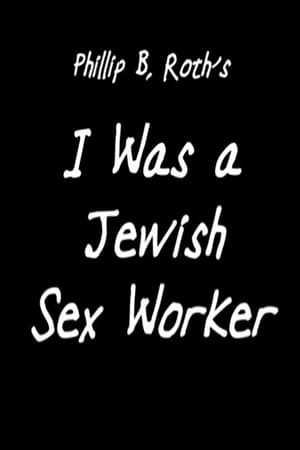
I Was a Jewish Sex Worker is a humorous, no-holds-barred autobiographical film about the director’s former career as a sex worker and his relationship with his Jewish family. From graphic, erotic massages to a revealing interview with his grandmother, Roth tells a unique tale and explores themes of sexual wellness, connection and self-realization. Featuring guest appearances by German filmmaker Rosa von Praunheim and sexologist/performer Annie Sprinkle.
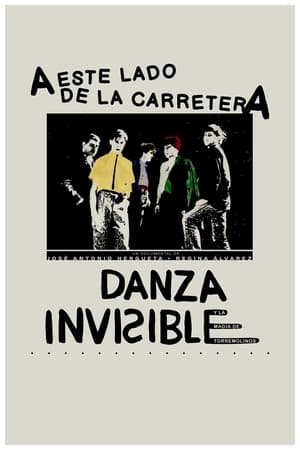
Torremolinos, province of Málaga, Spain, autumn 1981. In the basement of a pub frequented by foreigners, five young self-taught people found a musical group that in less than a year conquers the charts: Danza Invisible, one of the best bands in the history of Spanish pop music, was born.
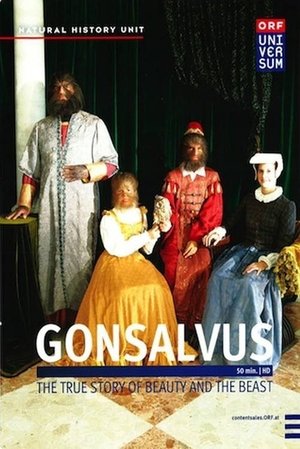
It's a condition known as "hypertrichosis" or "Ambras Syndrome," but in the 1500s it would transform one man into a national sensation and iconic fairy-tale character. His name: Petrus Gonsalvus, more commonly known today as the hairy hero of Beauty and the Beast.
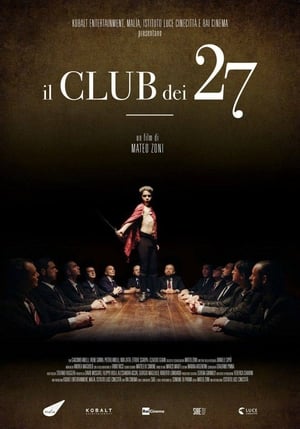
A 12-year-old boy tries everything to join a music lovers club.
The true king of cocaine. At his peak he sold 2,000 kilos a week, reaped gross profits of $70 million a month, and ran an operation with over 150 soldiers to support him. In his life champagne flowed like water, trips to Vegas, New York, and Los Angeles were the norm, and $150,000 shopping sprees were nothing. At the height of Washington, D.C.'s brutal crack epidemic in 1987, there was a 22 year old man responsible for distributing 90% of Columbian Cocaine onto the city's streets. This man is Rayful Edmond III. In the media's eyes he was guilty until proven innocent, but in the streets eyes he was a hero who made it to the top. This is his story-a story of; Power, Money, Murder, Betrayal and the rise and fall of the Edmond's Empire.
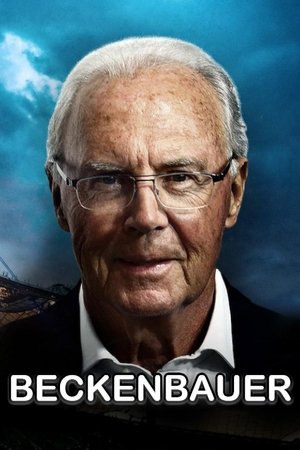
He is considered one of the most important athletes in football history. Franz Beckenbauer was the shining light of German football, won everything there was to win in club football as a player and coach, became world champion as a player and coach and, as the father of the "Summer Fairy Tale", brought the 2006 World Cup to Germany. He was also a pioneering advertising icon and an occasional singer and actor. The man whom everyone in his home country simply calls “Kaiser” shaped the image of the Federal Republic of Germany like no one else. The legendary footballer seems like a national treasure today, but little is known about the person behind the ball artist. Public knowledge of his private life is shaped by his long-term relationships with four women. The documentary, completed shortly before his death, uses archive material and prominent contemporary witnesses from sports, politics and entertainment to weave both facets into a look at a life's work with light and shadow.
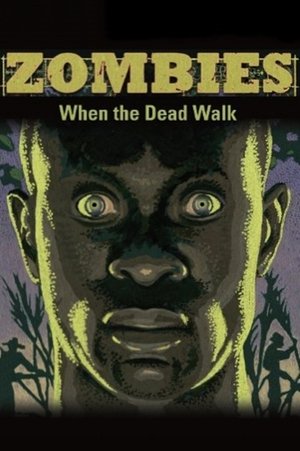
Zombies are part of pop culture, but what are they? Where do they come from? To find real zombies we visit Haiti where Zombies are an integral part of the island's cultural and religious roots.
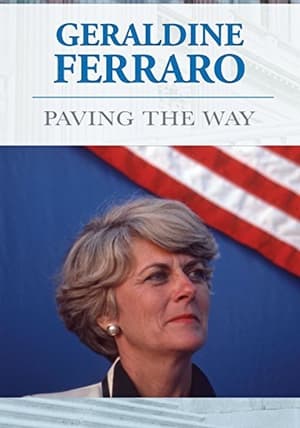
A documentary by Donna Zaccaro about the political trailblazer, Geralidine Ferraro. Featuring interviews with Bill and Hillary Clinton, George and Barbara Bush, Walter Mondale, and Geraldine Ferraro herself, among others, this is a heartwarming and engrossing portrait of the first woman who was nominated for vice president, whose legacy still reverberates today.
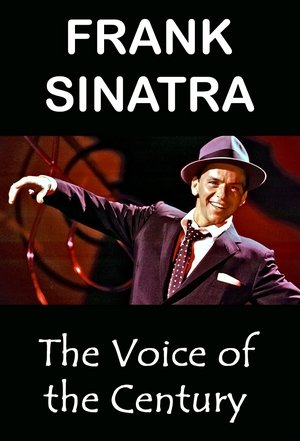
Acknowledged as one of the greatest singers of the twentieth century, Arena explores the rise of the legendary crooner Frank Sinatra from his early family background to overwhelming show business success. Interviews with friends, family and associates reveal a star-studded career in music and film alongside a fascinating private life of four marriages, liaison with the Kennedy family, Las Vegas business interests and an alleged association with the Mafia
The documentary goes through the 23 years of MTV Brazil, taking stock from the avant-garde to the ostracism of the broadcaster that was the main guide for the musical, cultural and social formation of young people in the 90's and 2000's with interviews and testimonials from former VJ's and artists that emerged and became popular in the country because of the channel.
As director Hakim Belabbes chronicles his journey from his home in Chicago to visit his family in his hometown of Boujad in Morocco, his exploration of family relationships is self-conscious and at times painfully honest. We witness his most private moments with his family. The film intimately explores the domestic spaces and religious rituals of intra-family relationships, especially when compounded by one member's break with traditional values.
Caught between chasing his past and accepting his impending end, a man follows his childhood memories through the dark alleyways and desolate cemeteries of Boujad, Morocco.
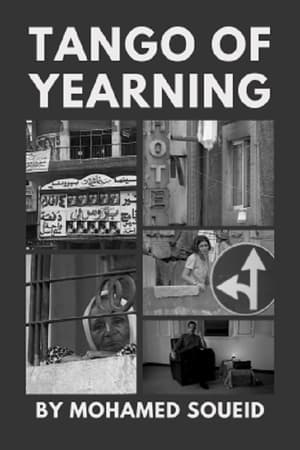
Tango of Yearning (1998) is the first episode of an autobiographical trilogy on postwar Lebanon, later including Nightfall (2000) and Civil War (2002). Taking its title from Tango of Hope, a classic ballad by Nur al-Huda, the film draws from the director’s reflections on war, love, and cinema, as well as his personal experience at the public television channel TéléLiban. Conjuring various snippets of audiovisual archival material, the film is a poetic elegy to film, Beirut’s movie theaters, and a city undergoing radical transformation. Mohamed Soueid has long been a proponent of the experimental video documentary movement in Lebanon, playing a significant role in the country’s creative renaissance since the end of the civil war. Originally trained as a news videographer during the war, the experience offered him a facility with the medium, which he further developed by making non-linear documentary films with a distinctly personal take.
After “Letter From a Time of Exile”, the director is back in Lebanon where he discovers that his dreams about his country are an illusion and that the exile in your homeland is by far the worst exile. Programmer's Note: Borhane Alaouié returns to Beirut from his exile. His documentary film constitutes a new letter at the start of the 21st century in reply to the letters of the 1980s. The reconstruction process appears to affect stones more than people.
The film portraits the stage previous to the outbreak of the Mexican Revolution, from the end of Porfirio Díaz´ government, the social volatility, the ephemeral government of Madero and the presence of the working class in the figures of Villa and Zapata, until the signing if the Constitution of 1917. All of this through moving images, filmed during those events mainly by the Alva brothers, filmmakers of that time. Those images let us perceive the contradictory and shuddered glance of the people of that period.
L'Histoire secrète des Inconnus, le doc événement
Charlotte Gainsbourg looks at her mother Jane Birkin in a way she never did, overcoming a sense of reserve. Using a camera lens, they expose themselves to each other, begin to step back, leaving space for a mother-daughter relationship.
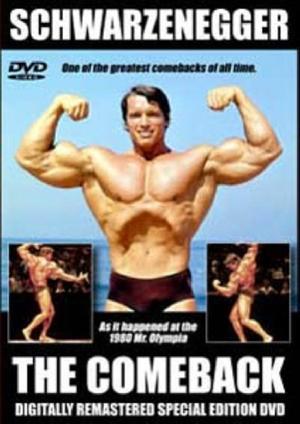
After an absence of five years, six times Mr Olympia winner Arnold Schwarzenegger makes a comeback and attempts to take the World Body Building Championship for the 7th time.
It's a sensitive, moving doc chronicling the life of Tétrault's brother Philip , a Montreal poet, musician and diagnosed paranoid schizophrenic. A promising athlete as a child, Philip began experiencing mood swings in his early 20s. His extended family, including his daughter, share their conflicted feelings love, guilt, shame, anger with the camera. They want to make sure he's safe, but how much can they take?
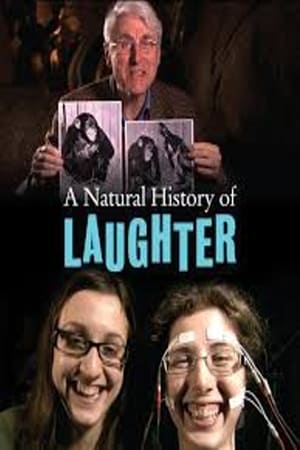
For how long have we been laughing? Are human beings the only ones to laugh? In the past, scientists tended to neglect such questions of laughter, leaving them to the philosophers. Jacques Mitsch's A NATURAL HISTORY OF LAUGHTER explores recent scientific attempts to explicate this most elusive of human faculties, undertaken by scientists who see it as a means of approaching some of the larger mysteries of neurology and human behavior.