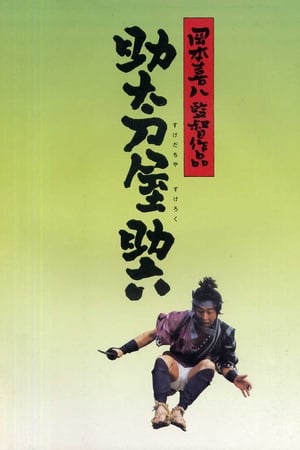
An adventure film with Benshi performers. Sometimes considered the 'first Japanese feature film', it survives today as a compilation of scenes from various different 1910s adaptations totaling nearly three hours in length. The bulk of the content comes from the 1911 adaptation by legendary Japanese filmmaker Makino Shozo.
After their lord is tricked into committing ritual suicide, forty-seven samurai warriors await the chance to avenge their master and reclaim their honor.
This is the story of "The Forty-Seven Ronin." Based on historical events in 1701-2, the movie tells the tale of the Asano clan's downfall and the revenge of its former samurai on the perpetrator of the catastrophe. Lord Asano was goaded, or tricked, into drawing his sword inside the Shogun's palace -- a crime which carried the death penalty. The newly installed Shogun was furious at Asano and ordered all his clan's assets seized, meaning some 20,000 samurai and commoners were unemployed and landless at a stroke. Forty-seven of these ronin (masterless samurai) banded together to take attempt revenge on Lord Kira, who had goaded Asano into drawing his sword.
In 1701, Lord Takuminokami Asano has a feud with Lord Kira and he tries to kill Kira in the corridors of the Shogun's palace. The Shogun sentences Lord Asano to commit suppuku and deprives the palace and lands from his clan, but does not punish Lord Kira. Lord Asano's vassals leave the land and his samurais become ronin and want to seek revenge against the dishonor of their Lord. But their leader Kuranosuke Oishi asks the Shogun to restore the Asano clan with his brother Daigaku Asano. One year later, the Shogun refuses his request and Oishi and forty-six ronin revenge their Lord.
This 1932 adaptation is the earliest sound version of the ever-popular and much-filmed Chushingura story of the loyal 47 retainers who avenged their feudal lord after he was obliged to commit hara-kiri due to the machinations of a villainous courtier. As the first sound version of the classic narrative, the film was something of an event, and employed a stellar cast, who give a roster of memorable performances. Director Teinosuke Kinugasa was primarily a specialist in jidai-geki (period films), such as the internationally celebrated Gate of Hell (Jigokumon, 1953), and although he is now most famous as the maker of the avant-garde silent films A Page of Madness (Kurutta ichipeji, 1926) and Crossroads (Jujiro, 1928), Chushingura is in fact more typical of his output than those experimental works. The film ranked third in that year’s Kinema Junpo critics’ poll, and Joseph Anderson and Donald Richie noted that 'not only the sound but the quick cutting was admired by many critics.
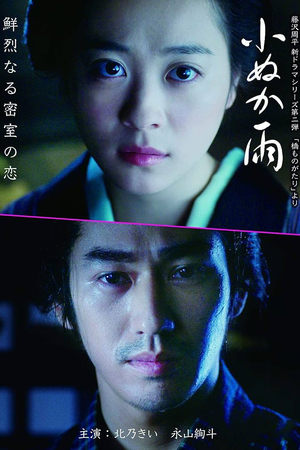
Weaving two storylines together: the first is the story of 18th-century shogunate intrigue and loyalty, and the second is a ghost story about a beautiful woman who falls victim to passion and evil.
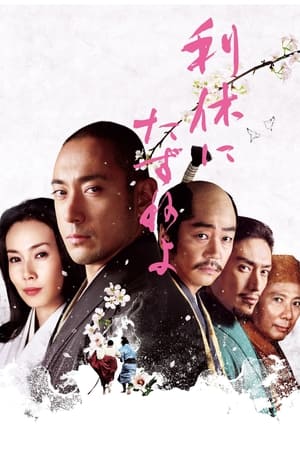
While the story of the Ako Clan's vendetta has been told countless times, never before has there been an array of major motion picture stars to bring new life to this timeless tale. Starting with the corrupt practices of Lord Kira and Yanagi-sawa, the Shogun's Secretary, which in essence led to the incident of Lord Asano's attacking Kira in the Pine Corridor of the Shogun's Palace, this is the definitive version. Asano Takumi no kami was a young lord with high scruples, who refused to join in the general corruption and bribery which ran rampant in the capital at that time. By not giving bribes, he angered Kira Kozuke no suke the elder lord in charge of protocol at the Palace. Refusing to teach the younger man, and giving him false instructions was only the beginning. Insults followed, and a man of honor had no choice but to draw his sword in anger. Forty seven masterless samurai are willing to give their lives to avenge their lord.
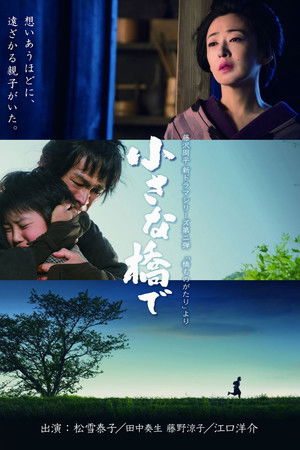
Naosuke, a servant of Okajima Yasoemon, devoted himself to his master. One day, his master Okajima Yasoemon, lost his face in front of people. It was a revenge by Oono, a karo (minister) who lost his chance to earn money by selling a fake antique to the lord. Okajima told the lord it was fake. Okajima endured Oono's humiliation. But, his servant Naosuke, could not. But what could he do? Oono is superior of his master. Naosuke would not hesitate to lay down his life for his master. But killing Oono would ruin his master. He wanted to clear his master's disgrace. What to do?
On February 4th of the 16th year of the Genroku era, Yatō Uemon no Shichi reminisces while waiting his turn for seppuku at the Mizuno residence. When news of his lord, Asano Naganori, attacking Kira Yoshinaka in the palace reached Akō, Uemon no Shichi was sixteen. The family elder, Ōishi Kuranosuke, determined to avenge, gathered allies, but Uemon no Shichi's father, Chōsuke, being sickly and considered too young, was not included. Chōsuke committed suicide.
After years of hiding from a cruel, suspicious society on the land, the mermaid Dyesebel returns and falls in love with a man named Fredo. However, she becomes the target of Fredo's jealous ex girlfriend.
Dyesebel is unique among the merfolk for she is the only mermaid born of human parents from the surface world. A mermaid from birth, she is shunned by the superstitious due to her physical form. After her father is killed by an angry, superstitious mob, Dyesebel is taken to the ocean by her mother where she is sent into exile since her chances for survival are greater there than on land. The young girl-mermaid is found by Banak who adopts her and takes her to their kingdom where she is welcomed into their community.
Dyesebel is a story of a girl with a mother who is really obsessed with mermaids. When she was born, she had deformities which her father was really angry. The family decided to relocate and leave their village so they can raise Dyesebel secretly and to avoid from angry mobs. Dyesebel met his guy Fredo who saved him when she was kidnapped.
A young girl learn to accept love and change, after being sent to live with her uncle in Indiana.