Rahul Seth is a dashing young millionaire who believes he is "western" enough to rebel against his mother and grandmother. They are not too keen about his Caucasian girlfriend Kimberly who, to make matters worse, is a pop star. Before you can say "karmic intervention," Kimberly dies in a freak accident and Rahul is devastated. Instead of allowing him to mourn in peace, Rahul's mother sees the opportunity she's been waiting for. She threatens to call off his sister's wedding unless he finds himself a "nice Indian girl." Rahul enlists the services of Sue, a fiercely independent escort whom he believes to be Hispanic, and therefore not "married" to the conventions taught to young Indian women. With a wink in her eye, Sue accepts the deal to pose as his Indian bride-to-be. She needs the money and having never been a fan of the typical Indian male, she feels her heart is safe. The charade begins....
Follow punk-cabaret icon Amanda Palmer as she hits the stage at Red Rocks Amphitheater. Since her record-breaking $1.2 million crowd-funded Kickstarter campaign, Palmer (formerly of the Dresden Dolls) has carved out a path of fearlessness and independence outside the norms of the music industry.
Finding love is never easy. For Ravi Patel, a first generation Indian-American, the odds are slim. His ideal bride is beautiful, smart, funny, family-oriented, kind and—in keeping with tradition—Indian (though hopefully raised in the US). Oh, and her last name should be Patel because in India, Patels usually marry other Patels. And so at 30, Ravi decides to break up with his American girlfriend (the one who by all accounts is perfect for him except for her red hair and American name) and embark on a worldwide search for another Patel longing to be loved. He enlists the help of his matchmaker mother, attends a convention of Patels living in the US and travels to wedding season in India. Witty, honest and heartfelt, this comedy explores the questions with which we all struggle: What is love? What is happiness? And how in the world do we go about finding them?
When a Mongolian nomadic family's newest camel colt is rejected by its mother, a musician is needed for a ritual to change her mind.
An older woman sits before a telephone in an empty house. Her daughters have flown the nest. As she prepares to phone them, their memory is brought back to life
Jesus 'Chuy' Aceves and a dozen living members of his extended family suffer from the very rare condition of congenital hypertrichosis, meaning they were born with excessive hair on their faces and bodies. Due to their appearance, they suffer from discrimination in all areas of their lives: the children are made fun of at school and abandoned by their 'non-hairy' parents, and the adults cannot find work unless they choose to exhibit themselves as freaks in circuses. This moving and visually arresting documentary is a portrait of Chuy and his family members. It examines their day-to-day lives and their struggle to find love, acceptance and employment.
Fifteen-year-old Sarah has returned to Colmar, where she has taken up high-performance figure skating and competition. The rivalry between the girls and the trainer's harsh words put her body to the test on the ice, while her adolescent desires distract her from her athletic ambitions.
A short documentary following the launch of the first trial to use Coca-Cola's crates and distribution know-how to deliver life-saving anti-diarrhea kits in Zambia.
After five years studying in Paris, Arash has not adjusted to life there and has decided to return to Iran to live. Hoping to change his mind, his two friends Hossein and Ashkan convince him to take a last trip through France.
When her mother remarries and her newly blended family moves to Canada, a 9-year-old Tunisia girl's life takes a profound turn as she struggles to find her place and maintain her Muslim identity in a new land.
Why would two New York-based filmmakers dedicate five years of their lives to following three white, Jesus-loving, spandex-clad men from the Bible Belt, particularly when the world of documentary filmmaking has generated its fair share of films concerning sensationalistic religious expression and contact sports in recent years? Because it's not about wrestling, and it's not about Jesus. Against a bizarre and entertaining backdrop, and through a motley cast of characters, we are reminded of what connects us all, lest we forget what it means to be human.
The impact of the Zapatista uprising in Chiapas, Mexico, on the lives of the Mayan women who joined as rebels to seek justice within their own culture.
The film describes the microcosmos of the small village Wacken and shows the clash of the cultures, before and during the biggest heavy metal festival in Europe.
A research-based essay film, but also a very personal perspective on the history of socialist Yugoslavia, its dramatic end, and its recent transformation into a few democratic nation states.
Extravagantly expensive massaging mats, rejuvenating ampoules and sets of steam pots are only a few of the vast spectrum of objects sold by young salesmen at suspicious commercial presentations for old-age pensioners. Protagonists of the film are five friends fascinated by such presentations. They spend their savings on such products not out of necessity, but in the attempt to fill the emptiness in their lives. The absurdity of these purchases shows their fight against getting old and against their loneliness.
A family falls prey to the manipulative charms of a neighbor, who abducts their adolescent daughter. Twice.
Diana The Woman Inside highlights Diana as a woman and mother, rather than just a tragic icon.
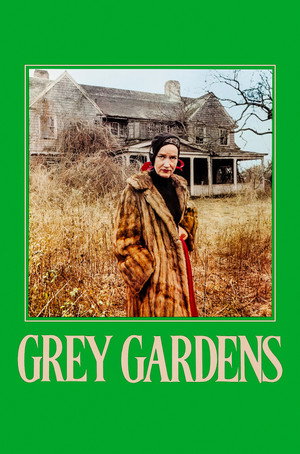
Edie Bouvier Beale and her mother, Edith, two aging, eccentric relatives of Jackie Kennedy Onassis, are the sole inhabitants of a Long Island estate. The women reveal themselves to be misfits with outsized, engaging personalities. Much of the conversation is centered on their pasts, as mother and daughter now rarely leave home.
A documentary about urban violence in Brazil, especially in Rio de Janeiro. Policemen, drug dealers, and shantytown dwellers get trapped in a daily war that knows no winners.
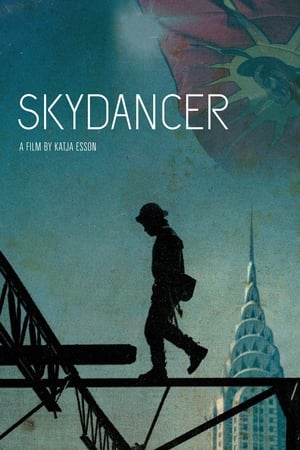
For more than 120 years, Mohawk ironworkers have raised America’s modern cityscapes. They are called 'sky walkers' because they walk fearlessly atop steel beams just a foot wide, high above the city. In this nuanced portrait of modern Native Americans' double lives, Jerry McDonald Thundercloud and his colleague Sky shuttle between the hard-drinking Brooklyn lodging houses they call home during the week and their rural reservation, a grueling drive six hours north, where a family weekend awaits. While the men are away working, their wives often struggle to keep their children away from the illegal temptations of an economically deprived area.