How did Nazi Germany, from limited natural resources, mass unemployment, little money and a damaged industry, manage to unfurl the cataclysm of World War Two and come to occupy a large part of the European continent? Based on recent historical works of and interviews with Adam Tooze, Richard Overy, Frank Bajohr and Marie-Bénédicte Vincent, and drawing on rare archival material.
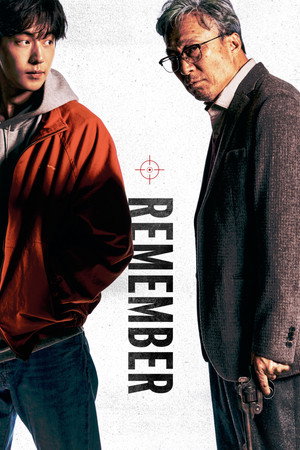
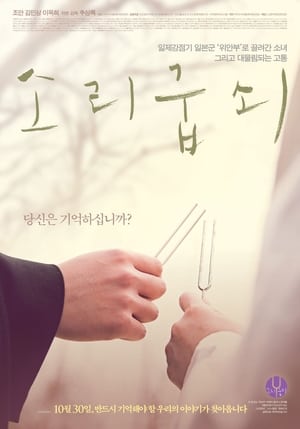
Pil-ju, an Alzheimer's patient in his 80s, who lost all his family during the Japanese colonial era, and devotes his lifelong revenge before his memories disappear, and a young man in his 20s who helps him.
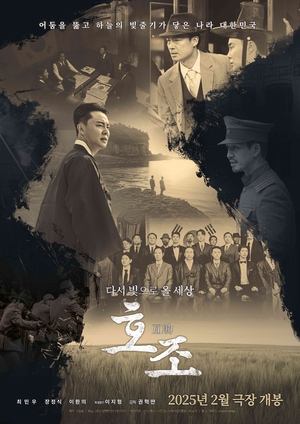
Reality and fantasy melds as a Korean documentary film director attempts to capture life in the small town of Gojo, Japan.
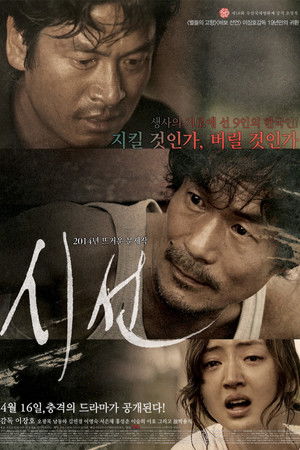
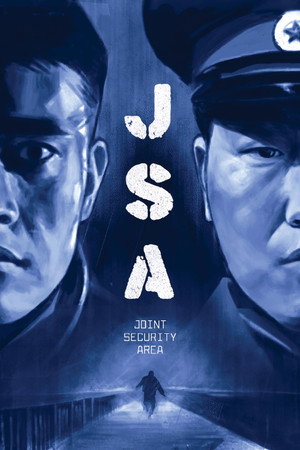
Two North Korean soldiers are killed in the border area between North and South Korea, prompting an investigation by a neutral body. The sergeant is the shooter, but the lead investigator, a Swiss-Korean woman, receives differing accounts from the two sides.
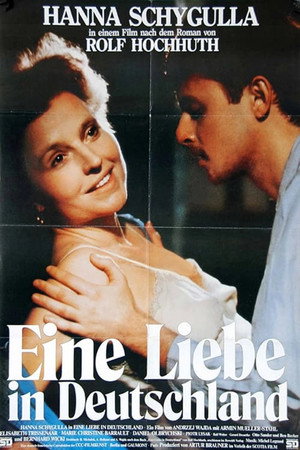
In May of 1983, a man turns 49 and, with his 17-year old son, journeys to the village in Baden that he left 40 years before. He wants to discover what happened then, the truth about an affair his mother had with a young Polish prisoner of war, how the authorities came to learn of it, the lovers' arrest, and the aftermath. While his son takes Polaroid photographs, he retraces the steps of his childhood and interviews those who should remember. The story is disclosed in flashbacks that focus on the lovers (Paulina and Stanislaus), on a jealous and conniving neighbor, and on Mayer, the local SS commander who wants to find a way out of inevitable consequences.
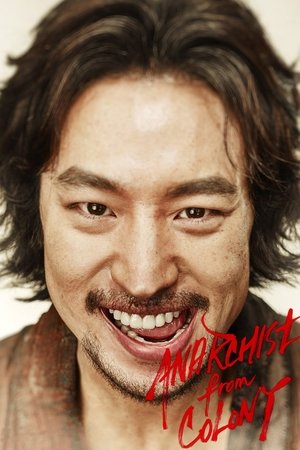
Based on the life of the Korean anarchist Park Yeol, the film shows his struggle to counter the massacre of Koreans by the government during the 1923 great Kanto earthquake, focusing on his activities as the leader of the anti-Japanese organization Bulryeongsa and his relationship with Japanese comrade Fumiko Kaneko.
On one gloomy rainy night, a writer encounters an unexpected visit paid by a woman of his past. Seeking solitude from her ex-lover, she finds solace in this gentleman and from that day on, they cherish every inch of each other's body and indulge in ecstasy until her forbidden past is gradually revealed.
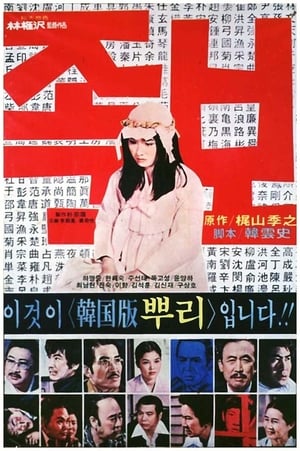
A man wanders around the mountains with a bleeding leg, holding a rifle in his hand. Seemingly a fugitive, he runs from as-yet unknown pursuers, but he also seems to be following somebody who has already walked the same path. As he hides in a secluded cave, past memories sweep through his exhausted mind, memories of lifelong cowardice and evasion. And this recollection leads to a reconstruction of early 20th century Korean history. Winner of Best Picture (Nam-a Pictures Co., Ltd.), Best Actor (Ha Myung-joong), Best Art Direction (Kim Yoo-joon), Best Lighting (Son Young-cheol) at the 14th Grand Bell Awards. (source: Jiro Hong, koreanfilm.org)
A Christian missionary group is abducted by Islamic rebels. In fear for their lives, the group slowly sees their faith in each other slip away.
The Samrye Girl’s Middle School soccer club always loses. There’s no sufficient support for the club and to make matters worse, the main striker transfers to another school. Would it be feasible to make a miracle happen at the National Convention?
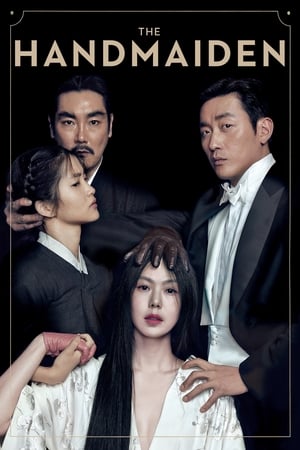
1930s Korea, in the period of Japanese occupation, a new girl, Sook-hee, is hired as a handmaiden to a Japanese heiress, Hideko, who lives a secluded life on a large countryside estate with her domineering Uncle Kouzuki. But the maid has a secret. She is a pickpocket recruited by a swindler posing as a Japanese Count to help him seduce the Lady to steal her fortune.
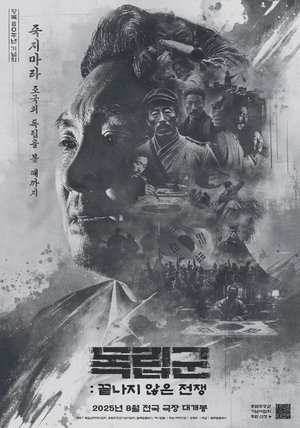
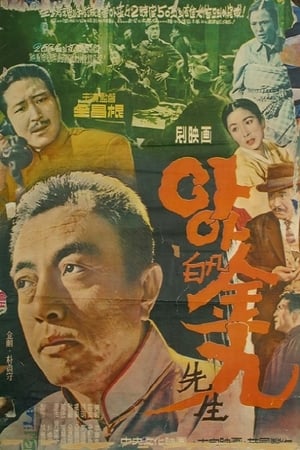
Kim Chang-su, who participated in the Donghak Movement, escapes to Manchuria after being chased by the Japanese army, finally making his way home. Angered by the assassination of Empress Myeong-seong, he murders a Japanese lieutenant and is sent to jail. He escapes from prison turns his focus on the democratic movement by teaching civilians and organizing Sinminheo (a democratic organization), even changing his name to 'Kim Gu.' After he is imprisoned again, he gets out on parole and goes to China, where he participates in establishing a provisional government from which he can direct the anti-Japanese struggle. Kim Gu goes on to play a part in Yun Bong-gil's deeds in Shanghai, the events at Hongkou Park, the encounter with Jiang Jish, and the establishment of the Korean National Army, and leads the struggle for Korea's independence with warm fraternal love and clear national spirit. When Korea is liberated in August 15, 1945, he returns back to his native land.
In Japanese-occupied Korea, three freedom fighters are assigned a mission to assassinate a genocidal military leader and his top collaborator. But the plan goes completely awry amidst double-crossings, counter-assassinations, and a shocking revelation about one of the assassins' past.
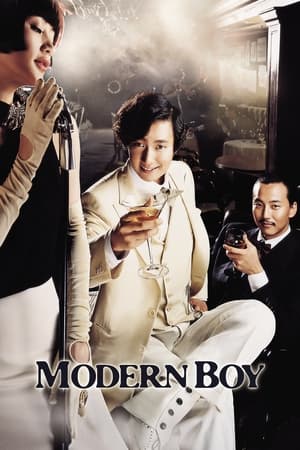
During the Japanese occupation, a Korean modern boy, who wants to fit in with the Japanese, falls in love with a Korean freedom fighter.
Young Kim Chang-soo is placed behind bars, charged with murdering a Japanese person who took part in Empress Myeongseong's assassination. In prison, Kim Chang-soo sees how Koreans are persecuted and grows into a fighter for Korean independence.
May, 1980. Man-seob is a taxi driver in Seoul who lives from hand to mouth, raising his young daughter alone. One day, he hears that there is a foreigner who will pay big money for a drive down to Gwangju city. Not knowing that he’s a German journalist with a hidden agenda, Man-seob takes the job.
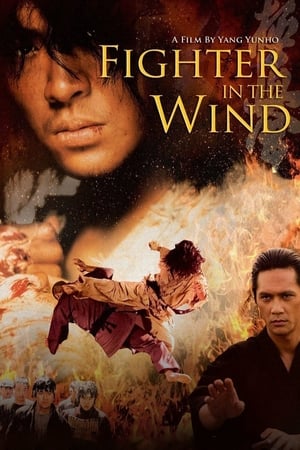
An account of karate competitor Choi Yeung-Eui who went to Japan after World War II to become a fighter pilot but found a very different path instead. He changed his name to Masutatsu Oyama and went across the country, defeating martial artists one after another. This film concentrates on the period when he is still young, and developing his famous karate style, Kyokushin.
During the Japanese occupation of South Korea, a Japanese bureaucrat is ordered to persuade an influential Korean patriarch into obeying the law of changing his Korean surname to a Japanese one.
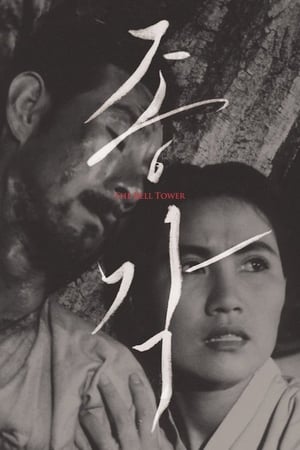
An elderly bell maker reminisces about his life filled with tragedy.
A woman on the run from the mob is reluctantly accepted in a small Colorado community in exchange for labor, but when a search visits the town, she learns that their support has a price.