The history of art in Ethiopia. The film emphasizes the styles, materials, etc. ofpaintings on walls and roofs of ancient churche
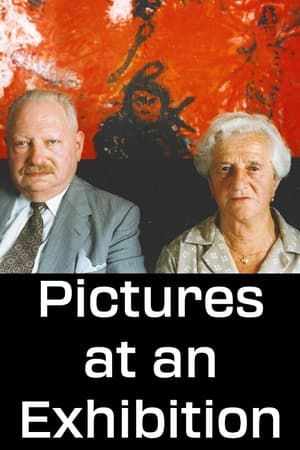
What does modern art mean for ordinary visitors to an exhibition?
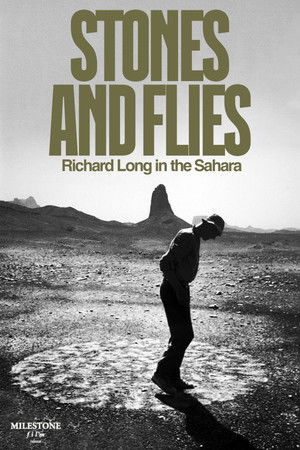
In the fall of 1987, Philippe Haas accompanied the sculptor Richard Long to the Algerian Sahara and filmed him tracing with his feet, or constructing with desert stones, simple geometric figures (straight lines, circles, spirals). In counterpoint to the images, Richard Long explains his approach. Since 1967, Richard Long (1945, Bristol), who belongs to the land art movement, has traveled the world on foot and installed, in places often inaccessible to the public, stones, sticks and driftwood found in situ. His ephemeral works are reproduced through photography. He thus made walking an art, and land art an aspiration of modern man for solitude in nature.
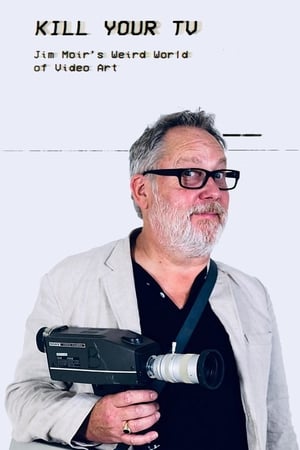
Jim Moir (aka Vic Reeves) explores Video Art, revealing how different generations ‘hacked’ the tools of television to pioneer new ways of creating art that can be beautiful, bewildering and wildly experimental.
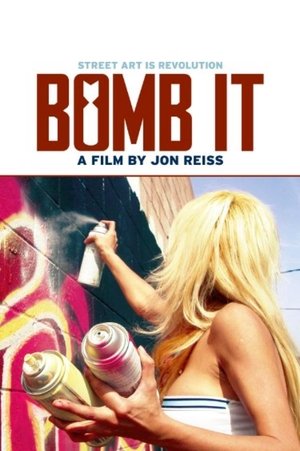
Through interviews and guerilla footage of graffiti writers in action on five continents, the documentary tells the story of graffiti from its origins in prehistoric cave paintings thru its notorious explosion in New York City during the 70’s and 80’s, then follows the flames as they paint the globe.
This MGM Passing Parade series short takes a look at changing definitions of art in the United States.
For both Aboriginal and non-Aboriginal Australians, Captain James Cook is a figure of great historical significance.
This film explores the transformation of an image from color negative to color positive on one film stock. “The Still Life“ was painted its color negative during the filming and then the exposed film was processed and printed on color negative printstock.
Contemporary artist Koki Tanaka sets up a booth at a Los Angeles flea market to sell palm fronds. "I tried to bring something very extreme into the flea-market context. I picked the palm fronds because they are the most useless things in California – they’re what we have to sweep away after a windy day. It was an experiment in registering people’s reaction to a fundamental question about the value of objects. And I was referencing two historical pieces: David Hammons’s Bliz-aard Ball Sale [1983], where he sold snowballs during winter in New York; and a Japanese manga called Munou no Hito [A Worthless Person, 1985], in which the protagonist sells stones by the riverside – stones being sold alongside stones. So both shared quite similar ideas." - Koki Tanaka
In 1988, art student Damien Hirst and a group of like-minded associates mounted an exhibition in a building in the East End of London. Entitled Freeze, it was a huge critical and commercial success, propelling Hirst and the group into the spotlight of the avant-garde. More than five years later, Hirst exhibits to international acclaim and is regularly derided in the tabloid press. This portrait of Hirst, which resumes the Omnibus season, is presented as a drug-induced nightmare after Hirst has been put to sleep by a sinister dentist, played by Donald Pleasence. In between interviews with fellow Freeze artists including Angus Fairhurst , Sarah Lucas and Tracey Emin , Hirst is seen preparing Mother and Child Divided, his work for last year's Venice Blennale. The piece consists of a cow and a calf, each sawn in half, pickled in formaldehyde and exhibited in four tanks.
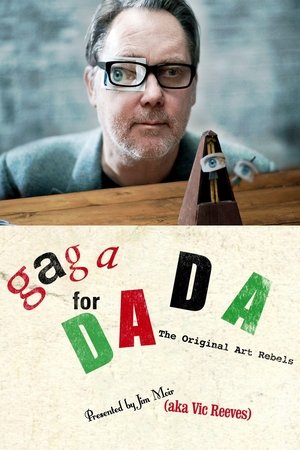
To celebrate the 100th anniversary of the birth of the surreal art movement, comedian Jim Moir (a.k.a. Vic Reeves) presents this documentary exploring the history of Dadism and the lasting influence it has had on himself and others.
Alastair Sooke champions pop art as one of the most important art forms of the twentieth century, peeling back pop's frothy, ironic surface to reveal an art style full of subversive wit and radical ideas. In charting its story, Alastair brings a fresh eye to the work of pop art superstars Andy Warhol and Roy Lichtenstein and tracks down pop's pioneers, from American artists like James Rosenquist, Claes Oldenburg and Ed Ruscha to British godfathers Peter Blake and Allen Jones. Alastair also explores how pop's fascination with celebrity, advertising and the mass media was part of a global art movement, and he travels to China to discover how a new generation of artists are reinventing pop art's satirical, political edge for the 21st century.
Lyonel Feininger's work is as individual and unmistakable as he is himself. As a classical modernist artist, he is difficult to categorize. He lived and worked in Germany for a long time. He began his career as a caricaturist, later became known as a painter and headed the printing workshops at the Bauhaus. His work cannot be classified as cubism or expressionism. The film visits places that inspired him, such as Paris, the villages around Weimar and, above all, the Baltic coast - many of which are reflected in Feininger's work and make the development of his oeuvre comprehensible.
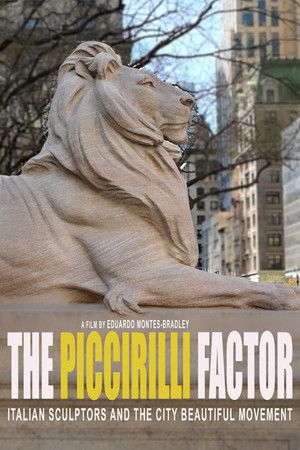
The Piccirilli family settled in New York City and started the largest and most prolific marble carving studio in America. For nearly 50 years, Piccirilli sculptors helped shape the architectural landscapes of Washington and New York through hundreds of monuments, memorials, and artworks, many of which are preserved in museums and private collections.
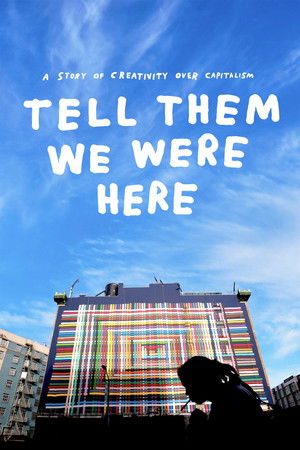
Tell Them We Were Here is an inspirational feature-length documentary about eight artists who show us why art is vital to a healthy society and reminds us that we are stronger together.
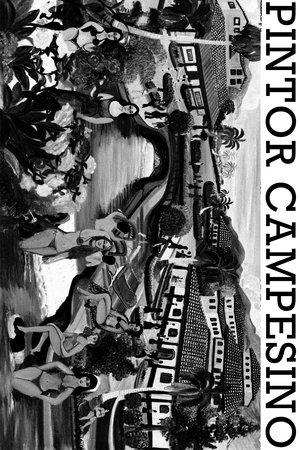
Cleto Rojas, a peasant painter in Venezuela, discusses his artwork. From movies and Roman mythology to his own dreams and scenes of rural life, Rojas takes inspiration from all sources and transforms the world around him into fantastic visions. He teaches village children his technique of using house-paint on canvas, as his wife goes about her own housework, singing slowly. The painter is bemused by the attention of anthropologists and art critics, and he talks about the pitfalls of attention. He remembers traveling to Caracas as a young man to meet famous painters and being disappointed in them. His ambitions are more focused on the content of his work - Rojas wishes he could envision and paint one of Venezuela's heroes, Simon Boilvar, as he really was, as no accurate representations exist now. Without looking for fame, he continues painting all kinds of images as he sees them.
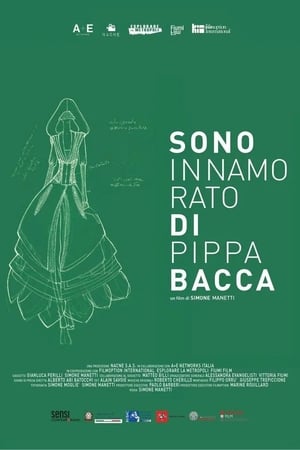
Giuseppina Pasqualino di Marineo, better known as Pippa Bacca, was a 34 years old Italian artist. She crossed 11 countries involved in wars, hitchhiking with another Milanese artist, Silvia Moro, both wearing a wedding dress. This was a performance for peace, trust and hoping to prove that if you rely on others, you’ll receive good things only. After travelling many roads, the two artists decided to split for a while in Istanbul, planning to meet again in Byblos. Pippa left then, alone, and nobody heard from her again.
Documentary that exposes the secret world of these unknown tax havens. There is a global network of tax-free storage facilities valuable goods, catering to the super rich - and it's virtually unknown, until now. Freeports feature highest security levels, confidential record keeping and an offshore legal status and are a huge potential for tax savings. The film investigates their rise, who is using them, and why.
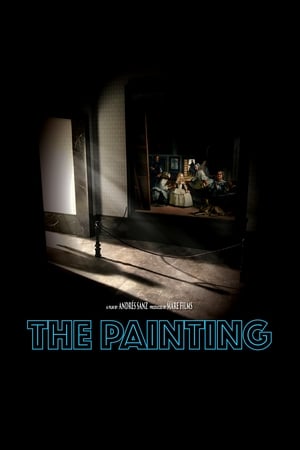
For three and a half centuries, from the same day that Diego Velázquez (1599-1660) applied his last brushstroke to the canvas, the enigma of “Las meninas, o La familia de Felipe IV” (1656) has not been deciphered. The secret story of a painting unveiled as if it was the resolution of a perfect crime.
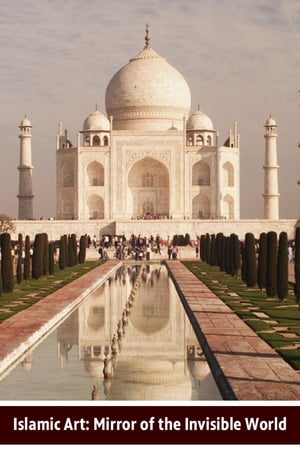
This ninety-minute film takes audiences on an epic journey across nine countries and over 1,400 years of history. It explores themes such as the Word, Space, Ornament, Color and Water and presents the stories behind many great masterworks of Islamic Art and Architecture. Narrated by Academy Award winning performer Susan Sarandon, this dazzling documentary reveals the variety and diversity of Islamic art. It provides a window into Islamic culture and brings broad insights to the enduring themes that have propelled human history and fueled the rise of world civilization over the centuries