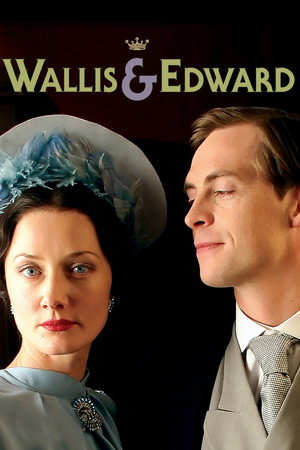
The story of the divorcee who dared to fall in love with the future King of England.
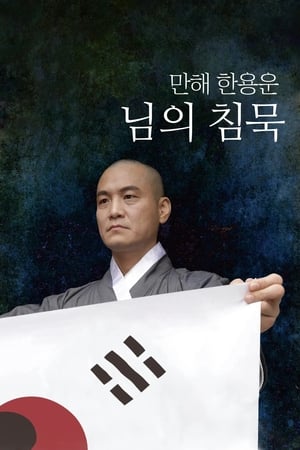
Donghak Rebellion (Donghak Peasant Movement) takes place in Hongjuseong (now Hongseong). Manhae, a boy who participates in the Donghak Rebellion as a 16-year-old, steals 1,000 nyang and sends it to military funds. At the age of 55, at Simujang in Seongbuk-dong, Manhae remarried while staying in a boarding house. While making a living by sewing his wife's wages, Manhae continues to resist Japanese imperialism by participating in the movement against the name change of the Chang clan and against the dispatch of Korean student soldiers along with writing. He takes over the military funds from Madam Baekhwa of Myeongwol in Yongjing. Lee Hwa-yeong hands over the military funds with Man-hae. In 1944, Manhae passed away at the age of 66. As the poem "Your Silence" flows, Manhae's achievements are introduced as highlights, and his subtitles flow.
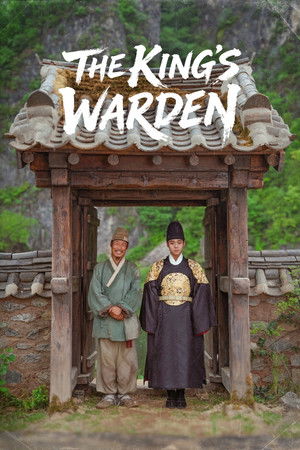
In a remote mountain village of 15th-century Joseon, humble headman Heung-do hears a rumor that any village hosting an exiled nobleman will be blessed with abundance and fortune. Hoping to bring prosperity to his impoverished community, he eagerly submits a petition to host one—unaware that his guest is none other than the fallen monarch, deposed boy-king Danjong.
In a Spain consumed by ambition and power, the future of an empire depends of the mind state of a single woman.
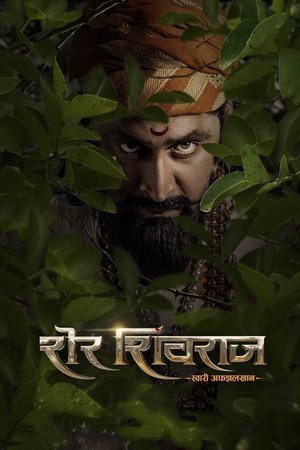
One of the greatest and bravest incident from the life of The Great Maratha King Chhatrapati Shivaji Maharaj where he defeated Afzalkhan with his brilliant tactics and courage.
Set in Qin Dynasty during the warring states period in ancient China. Shin was a war orphan. He has a dream of becoming a great general Shin has a fateful encounter with young King Eisei. King Eisei aims to unify all of China.
Amber St Clair, orphaned during the English Civil War and raised by a family of farmers, aspires to be a lady of high society; when a group of cavaliers ride into town, she sneaks away with them to London to achieve her dreams.
The reign of England's King John is threatened by Philip of France who demands that John's nephew Arthur be placed on the throne. Pragmatic and decisive, King John moves to plactate the French, but there are others who seek disputre his authority.
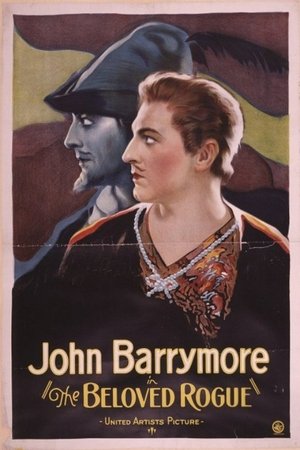
François Villon, in his lifetime the most renowned poet in France, is also a prankster, an occasional criminal, and an ardent patriot.
Château Gaillard : le pari fou de Richard Coeur de Lion
A dramatic retelling of the life of Ludwig II, King of Bavaria, one of the most fascinating monarchs of modern times. From his accession to the throne at the age of 18 to his passionate support of Richard Wagner and his music. From his ingenuous political commitment to his obsessive construction of extravagant palaces and to his gradual withdrawal into a lonely dream world, an epic narrative of breathtaking grandeur.
England, 14th century. King Edward II falls in love with Piers Gaveston, a young man of humble origins, whom he honors with favors and titles of nobility. The cold and jealous Queen Isabella conspires with the evil Mortimer to get rid of Gaveston, overthrow her husband and take power...
Directed by Professor Sunil Ariyaratne, 'Gautama Buddha Matha' is a cinematic portrayal inspired by the life of Mahapajapati Gotami, the revered queen and one of the earliest followers of the Buddha.
The English Civil War (1642–1651) was a series of armed conflicts and political machinations between Parliamentarians (Roundheads) and Royalists (Cavaliers) over, principally, the manner of England's government. The first (1642–46) and second (1648–49) wars pitted the supporters of King Charles I against the supporters of the Long Parliament, while the third (1649–51) saw fighting between supporters of King Charles II and supporters of the Rump Parliament. The war ended with the Parliamentarian victory at the Battle of Worcester on 3 September 1651. This programme charts the lead up to the war and its outbreak, setting the scene for the following programmes in the series.
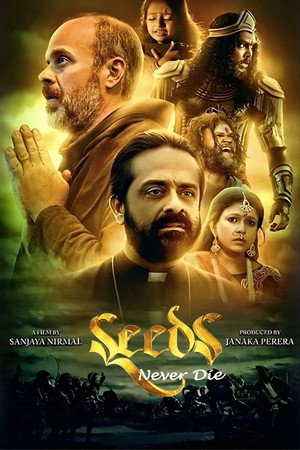
The film is based on the true story of the Great Catholic Christian Massacre of nearly 700 Christians that took place in 1544 in Mannar and the chain of events related to the same massacre that took place in 1560.
Czech Television's epic historical film draws on the breathtaking dramatic life of the great of Czech history, King Charles IV.
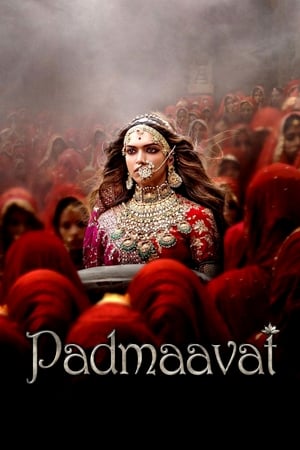
Rajputana, India, 13th century. The tyrannical usurper Alauddin Khilji, sultan of Delhi, becomes obsessed with Queen Padmavati, wife of King Ratan Singh of Mewar, and goes to great lengths to satisfy his greed for her.
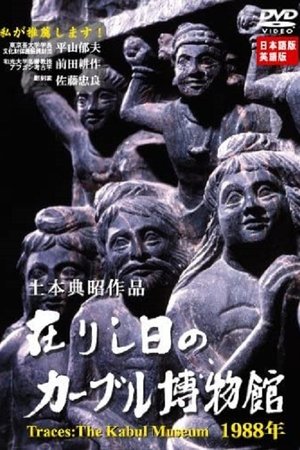
The Kabul National Museum, once known as the "face of Afghanistan," was destroyed in 1993. We filmed the most important cultural treasures of the still-intact museum in 1988: ancient Greco-Roman art and antiquitied of Hellenistic civilization, as well as Buddhist sculpture that was said to have mythology--the art of Gandhara, Bamiyan, and Shotorak among them. After the fall of the Democratic Republic of Afghanistan in 1992, some seventy percent of the contents of the museum was destroyed, stolen, or smuggled overseas to Japan and other countries. The movement to return these items is also touched upon. The footage in this video represents that only film documentation of the Kabul Museum ever made.
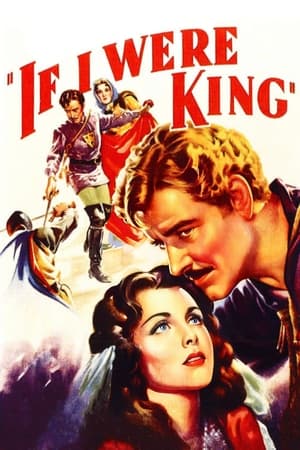
King Louis XI masquerades as a commoner in Paris, seeking out the treachery he is sure lurks in his kingdom. At a local tavern, he overhears the brash poet François Villon extolling why he would be a better king. Annoyed yet intrigued, the King bestows on Villon the title of Grand Constable. Soon Villon begins work and falls for a lovely lady-in-waiting, but then must flee execution when the King turns on him.
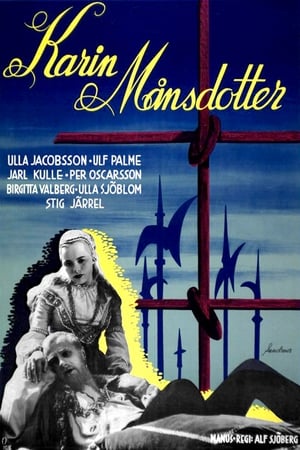
Karin does not belong to the nobility but nevertheless marries the mentally ill king Erik XIV and becomes queen of Sweden. The king's skilled counsellor Göran Persson wants a royal policy supporting the people and supported by it. But in relation to the nobility the king oscillates between provocative strength and unpredictable weakness. Göran arranges that some very powerful noblemen are killed. Subsequently the king tries to have them convicted of high treason by the parliament. He forgets the manuscript, mixes up all facts, and the noblemen are acquitted. But Göran speedily gathers another parliament and has them convicted. Meanwhile Erik apologises because of the unjust murders. Hence Erik is dethroned and imprisoned. Göran is executed. Karin is restricted to a castle in Finland. In the prison Erik believes that he is still the king and gives the guards presents such as all fishes in the Baltic Sea.