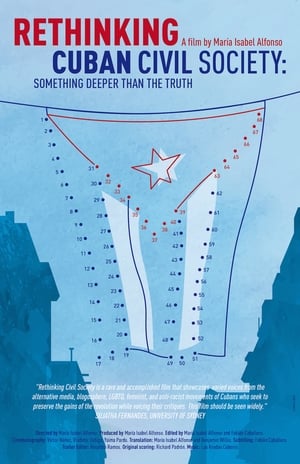
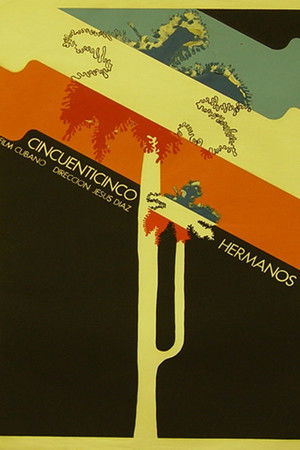
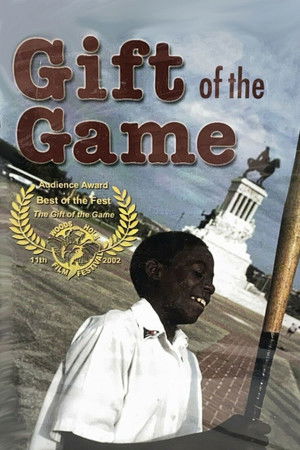
Afro-Cubans played a leading role in the fight to free Cuba from Spanish domination; as part of that struggle, slavery was abolished. Nevertheless, as African descendants began to achieve a semblance of social and economic parity, the plantocracy, backed up by the US army, sought to undo their gains. Determined to resist, veterans of the Mambi army formed the Party of Independents of Color, gaining wide popular support and ultimately threatening the domination of the white Cuban rulers. Their response was savage, and 6,000 Afro-Cubans were massacred; until this film, these events have been shrouded in silence.
La Singular Historia de Juan sin Nada
The story of a group of Cubans who arrived in Miami during the Mariel Boatlift and were housed in an improvised camp in the heart of the city. Everyone lived together —men and women, homosexuals and heterosexuals, separated only by cloth curtains that hung from ropes suspended between the beds, like floating walls.
This black-and-white film is a loving portrait of Santiago de Cuba and its people. It provides a view of Cuba as a picturesque country, the product of an earthy mix of black and criollo cultures. The film uses historical images which portray the end of the eighteenth century when Haitian slave owners fled with their slaves to Cuba after the Haitian Revolution.
When the U.S. trade embargo left Cuba isolated from medical resources, Cuban scientists were forced to get creative. Now they've developed lung cancer vaccines that show so much promise, some Americans are defying the embargo and traveling to Cuba for treatment. In an unprecedented move, Cuban researchers are working with U.S. partners to make the medicines more widely available.
On the occasion of his 80th birthday, an intimate documentary follows the illustrious pianist and great French jazz musician, Alain Jean-Marie from Guadeloupe, on a recent trip to Cuba. He talks about his career, his adolescence, and his youth in Guadeloupe, where he was rocked and deeply influenced by Cuban music. Director Bertrand Fèvre followed this now essential artist in Havana, to be discovered or rediscovered through a film set to jazz.
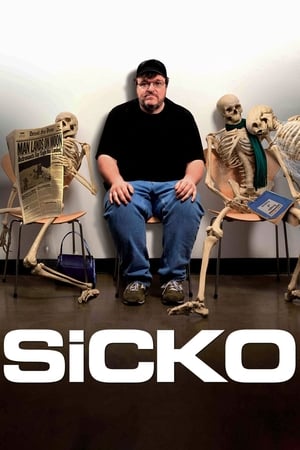
A documentary about the corrupt health care system in The United States whose main goal is to make profit even if it means losing people’s lives. "The more people you deny health insurance, the more money we make" is the business model for health care providers in America.
"The Voice of Innocence" is a documentary that shows how, starting in 1959, the Cuban Revolution put into practice a comprehensive and universal policy of safeguarding the rights of the child, even under the multiple difficulties resulting from the economic, commercial and financial blockade imposed by the United States more than six decades ago. Cuba is one of the main signatories of the Convention on the Rights of the Child, signed on 20 November 1989, when the country had already made extraordinary progress in protecting the rights of the child, in comparison to developed countries, such as the United States, which as of today hasn't yet ratified the Convention.
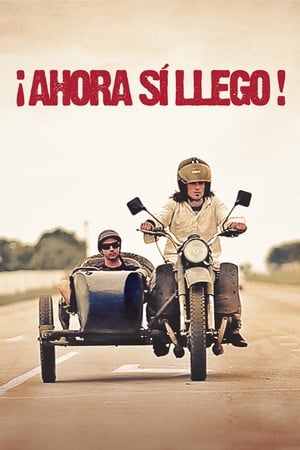
The first Road Movie feature film made by the Italian artist Sanzi together with the Cuban Balboa is inspired by friendship, the island and the motorbike. The two artists used, for the first time in Cuba, the form of the Road Movie--the cinematic genre the plot of which is developed during a trip.
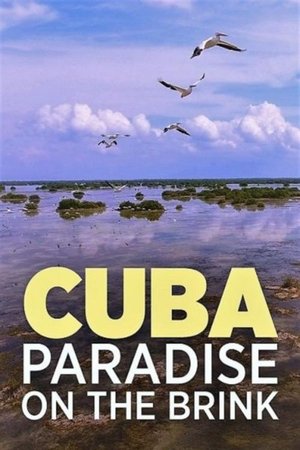
Will Cubans be able to safeguard their heritage of pristine Nature and preserved ecological treasures under this new era, as they are facing the combined pressure of money and tourism? What policies can be implemented to maintain the island’s spectacular wilderness?
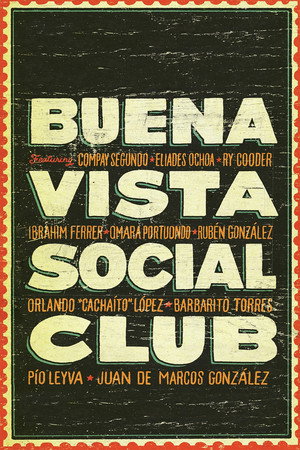
In this fascinating Oscar-nominated documentary, American guitarist Ry Cooder brings together a group of legendary Cuban folk musicians (some in their 90s) to record a Grammy-winning CD in their native city of Havana. The result is a spectacular compilation of concert footage from the group's gigs in Amsterdam and New York City's famed Carnegie Hall, with director Wim Wenders capturing not only the music -- but also the musicians' life stories.
A love letter that unites Brazil and Cuba. In the film Travessias, the director goes on a long journey seeking to understand the feelings and transformations of a person who is close to her. On this path of doubts and concerns, she meets Justin, a trans man who will help her on this journey. With a poetic and self-referential look, the director invites us to rethink our own prejudices and limits in relation to the others.
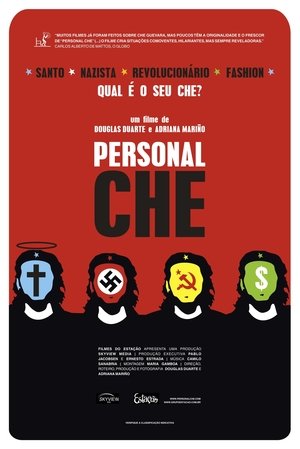
A documentary that explores the myth behind the truth. Different people around the globe reinterpret the legend of Che Guevara at will: from the rebel living in Hong Kong fighting Chinese domination, to the German neonazi preaching revolution and the Castro-hating Cuban. Their testimonies prove that the Argentinian revolutionary's historical impact reverberates still. But like with all legends, each sees what he will, in often contradictory perspectives.
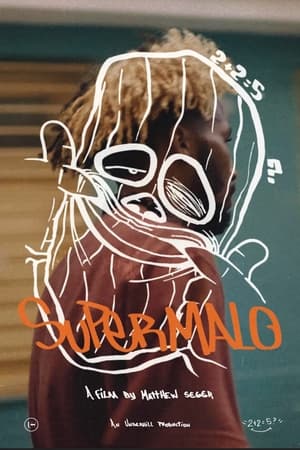
As the walls of Cuba's ageing infrastructure continue to crumble, a burgeoning street art scene is born in Havana. Murals of hand-painted masked character – Supermalo – with the tag “2+2=5?” have begun to appear in seemingly every corner of the heavily foot trafficked city.
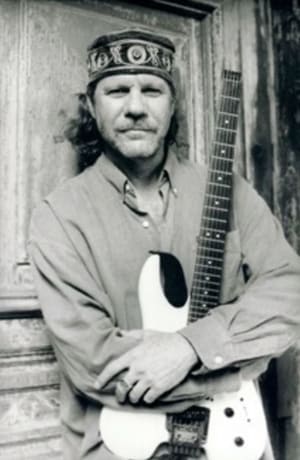
The young American Pablo Menéndez came to Cuba to study Music at the National School of Art. Here he formed a family and became one more Cuban. Member of the Sound Experimentation Group of ICAIC and promoter of the teaching of the electric guitar in Cuba, he is, together with his group Mezcla, one of our most original musicians.
Three juxtaposing stories taking place in Portugal, Austria and Cuba create an intimate and poetic portrait of the daily lives and struggles of the elderly in an unstable world, seen through the eyes of their grandchildren.
Leysi over media in Cuba
An American lesbian in Cuba explores gender through dance and film, blending personal experiences and cultural symbols with music and Revolutionary cinema and questions how lesbians fit into Cuban cinema.
When the world shut down, a Cuban band in Los Angeles turned up on a stage at a Cuban-Latin American restaurant. Their music became a beacon light in the dark. Their music helped reconnect people. "The Music that Saved a Community" Culture. Community. Cuisine. This is Son Habana.
Two shocking documentaries where the neighbors of Cuba 111 and the passengers of a taxi traveling on the Malecón speak without fear and say what they think of the government.