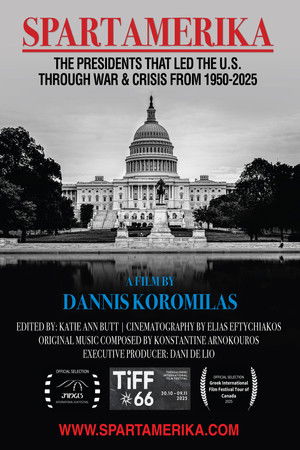
An essay film exploring the thirteen United States Presidents that have led the country through war and conflict from 1950 to 2025.
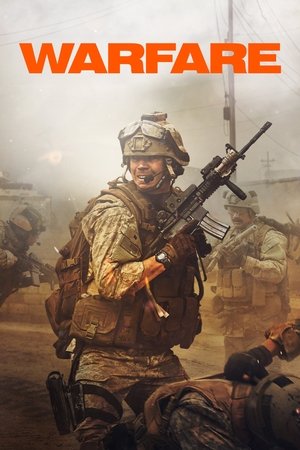
A platoon of Navy SEALs embarks on a dangerous mission in Ramadi, Iraq, with the chaos and brotherhood of war retold through their memories of the event.
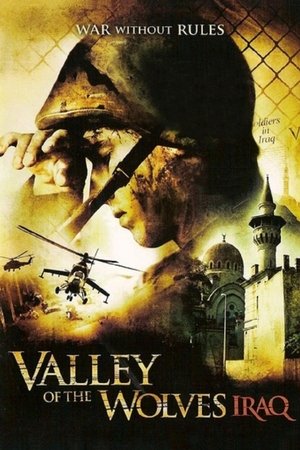
The film covers through fiction real-life events like the occupation of Iraq, the execution of Daniel Pearl, the Hood event and the Abu Ghraib torture scandal.
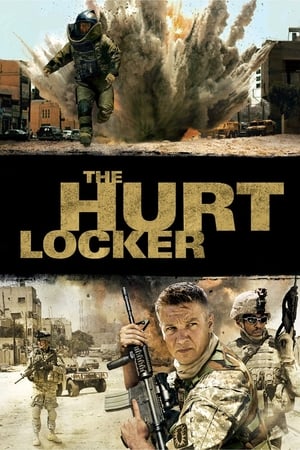
During the Iraq War, a Sergeant recently assigned to an army bomb squad is put at odds with his squad mates due to his maverick way of handling his work.
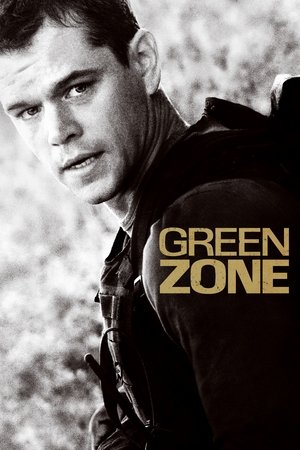
During the U.S.-led occupation of Baghdad in 2003, Chief Warrant Officer Roy Miller and his team of Army inspectors are dispatched to find weapons of mass destruction believed to be stockpiled in the Iraqi desert. Rocketing from one booby-trapped and treacherous site to the next, the men search for deadly chemical agents but stumble instead upon an elaborate cover-up that threatens to invert the purpose of their mission.
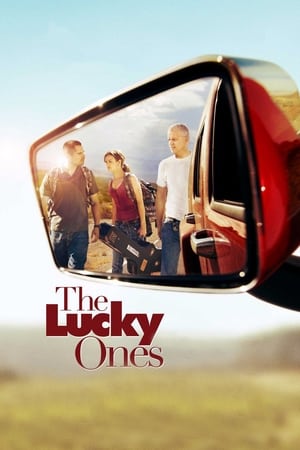
The story revolves around three soldiers — Colee, T.K. and Cheaver — who return from the Iraq War after suffering injuries and learn that life has moved on without them. They end up on an unexpected road trip across the U.S.
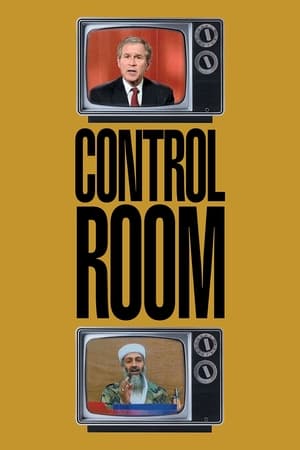
A chronicle which provides a rare window into the international perception of the Iraq War, courtesy of Al Jazeera, the Arab world's most popular news outlet. Roundly criticized by Cabinet members and Pentagon officials for reporting with a pro-Iraqi bias, and strongly condemned for frequently airing civilian causalities as well as footage of American POWs, the station has revealed (and continues to show the world) everything about the Iraq War that the Bush administration did not want it to see.
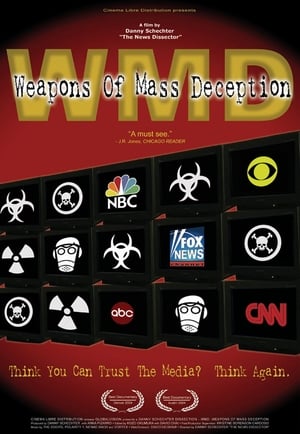
There were two wars in Iraq--a military assault and a media war. The former was well-covered; the latter was not. Until now... Independent filmmaker, Emmy-award winningTV journalist, author and media critic, Danny Schechter turns the cameras on the role of the media. His new film, WMD, is an outspoken assessment of how Pentagon propaganda and media complicity misled the American people...
19-year-old Billy Lynn is brought home for a victory tour after a harrowing Iraq battle. Through flashbacks the film shows what really happened to his squad – contrasting the realities of war with America's perceptions.
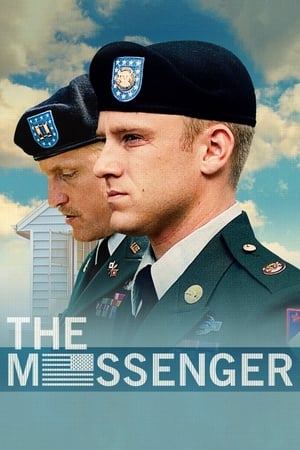
Will Montgomery, a U.S. Army Staff Sergeant who has returned home from Iraq, is assigned to the Army’s Casualty Notification service. Montgomery is partnered with Captain Tony Stone, to give notice to the families of fallen soldiers. The Sergeant is drawn to Olivia Pitterson, to whom he has delivered news of her husband’s death.
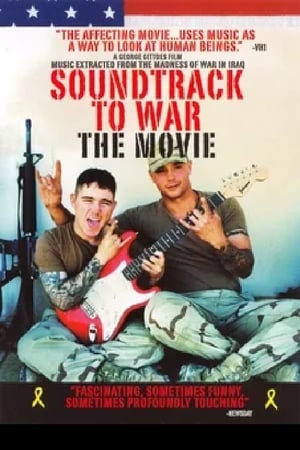
Soundtrack to War showcases spontaneous music performances by a striking cast of battle weary. Performances made without rehearsal, under the blaring Iraqi sun, with a destroyed city, the distraction of gunfire and bursting mortar shells forming a frightening backdrop. American culture came into Iraq, wired into its tanks and helicopters - a live soundtrack to war, with lyrics such as Let The Bodies Hit The Floor, Round Out, The Tank and Bombs over Baghdad, being memorised by every soldier and forever linked to the violent events they accompanied. As the war extended into a second year, many started writing and performing their own songs. It was rock, rap & roll.
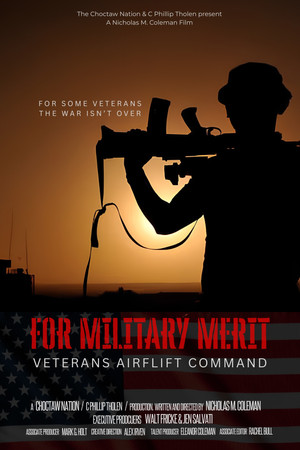
Explore the world of injured US soldiers - their loss, pain, redemption and rise as they return to an America which is ill-equipped for them. When a missile exploded next to his helicopter, Walt Fricke's life changed forever.
Follow five women reporters and the challenges they face as they work in Iraq during the Second Gulf War. Molly Bingham is an experienced photographer who was held for several days at Abu Ghraib prison at the start of the war. Marie Colvin is a reporter who lost her eye to a grenade while working in Sri Lanka. Janine di Giovanni has to deal with the difficulties of becoming a mother and still working to fulfill her duties as a journalist. Mary Rogers is a camerawoman who continues to put herself in harm's way in an effort to get the proper footage to cover her stories.
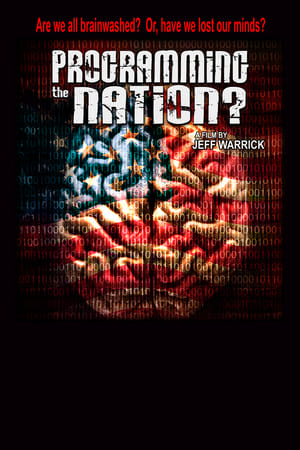
Programming the Nation? takes an encompassing look at the history of subliminal messaging in America. According to many authorities, since the late 1950s subliminal content has been tested and delivered through all forms of mass-media including Hollywood filmmakers Alfred Hitchcock and William Friedkin. Even our modern military has been accused of these practices in the "war on terror" against soldiers and civilians both abroad and at home. With eye-opening footage, revealing interviews, humorous anecdotes, and an array of visual effects, the film categorically explores the alleged usage of subliminals in advertising, music, film, television, anti-theft devices, political propaganda, military psychological operations, and advanced weapons development. Director Jeff Warrick makes it his personal mission to determine if these manipulative tactics have succeeded in "programming the nation?" Or, if subliminal messaging belongs in the category of what many consider urban legend.
A documentary chronicling the demonstrations against the invasion of Iraq.
Seventy-five days before the U.S. Army captured Saddam Hussein, an Iraqi-Canadian filmmaker tries to re-enter his homeland after 27 years of forced exile. In Jordan, he meets other Iraqis who are no longer able to cross the border: workers without jobs, truckers, cab drivers and anxious refugees. Worn down by years of war, sanctions, arbitrary arrests, torture and fear of execution, the men angrily recall the darkest years of the fallen regime. Still stunned by the course of events and uncertain about the future, they have no faith in the Americans, whom they believe are out for their oil. "Are we another Palestine?" asks one of them. Shot in the thick of the action amid the ongoing chaos, the film reveals Iraqi opinions and their versions of the unfolding story.
Dr. Nabil is a gentle and committed surgeon and father who works at a small, understaffed Baghdad hospital suffering from a lack of equipment and medicine. Though other doctors have been killed or have fled the country in fear of their lives, Dr. Nabil has decided to stay. He worries, though, what effects the atmosphere of violence and brutality will have on his young son.
Director Hiba Bassem returns to Baghdad from Kirkuk in 2005 to finish her studies at the Academy of Fine Arts. This video diary chronicles her first year in Baghdad as she searches for a place to live, looks for work, attends college, deals with family problems and struggles to come to terms with her position as a woman living on her own. Baghdad Days won a New Horizon Silver Award at the Al Jazeera International Film Festival and a Golden Award at the Rotterdam Arab Film Festival in 2006.
On the eve of the 2003 U.S. invasion, filmmaker Shelley Saywell traveled to Iraq to film the lives of ordinary people - especially young Iraqis - who were caught between Saddam's tyranny and a devastated economy (for which they blamed the West). Now, Saywell returns to find the people she met and interviewed before the war. What happened to them? Have they survived? Have their feelings about Saddam and the U.S. changed, or remained the same?
Founded in 1917, the Shabandar Café in Al Mutanabbi Street in the heart of the old centre of Baghdad was a cultural landmark where generations of Iraqis came to discuss and debate literature and politics. The cafe was a living repository of Iraqi intellectual history and one of the last places where people could gather to exchange ideas. Director Emad Ali had nearly completed filming for his project by the end of 2006. Then, in March 2007, a massive car bomb destroyed the Shabandar Café and all the bookshops on Al Mutanabbi Street, killing and wounded scores of people. Days later, Baghdad's poets and artists held a wake in the ruins of the street they loved so much. Emad took a small camera and returned to continue filming. He was attacked as he was leaving, his camera was stolen and he was shot in the legs and chest. Emad Ali’s own story provides a disturbing epilogue to his film about the Shabandar Café and Mutanabbi Street, both before and after they were destroyed.