Memorial
A sort of non-narrative itinerary between Lyon, Vienne and Valence-Ville that goes exploring the relationships between the interactions and the light it exposes, a reflection of identity and beauty that the shadows goes preserving the perceptions of new space.
A thinking about light and how it surrounds our lives.
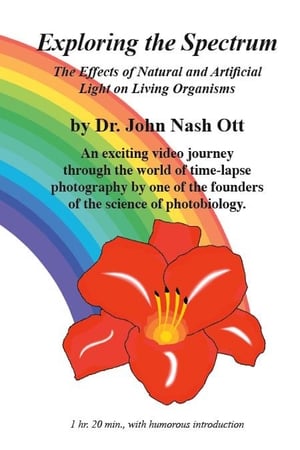
An exciting video journey through the world of time-lapse photography by one of the founders of the science of photobiology, Dr. John Nash Ott. Do fluorescent lights cause cancer and childhood learning and behavior disorders? Can long-term exposure to low-level radiation as from TV sets, computers, fluorescent lights, and similar devices harm you? Does living behind window glass and with glasses covering our eyes over years affect our health? Is natural sunlight and trace ultra-violet radiation really harmful? Or is it necessary and beneficial? How do cells, plants, and animals respond to constant exposure to different light color frequencies? These and similar questions were the subjects of Dr. Ott's pioneering investigations in the field of photobiology, using the methods of time-lapse photography.
The film discusses the evolution and potential of using light waves, particularly coherent light, for communication. It highlights the development of lasers at Bell Telephone Laboratories, explaining how they produce a highly controlled and intense beam of light that could revolutionize communication. The film emphasizes the vast possibilities of lasers, including applications in telecommunications, surgery, and exploring the universe, suggesting that this technology represents a significant step in humanity's understanding and use of light.
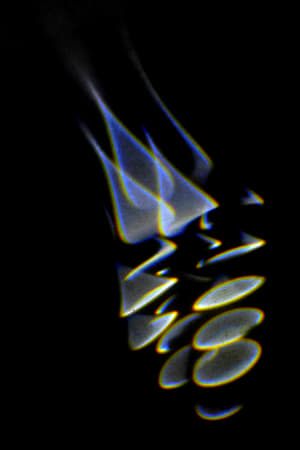
Backed by an echoed horn music, the light passes through a magnifying glass. On the walls, they portrait pans being held on top of a stove.
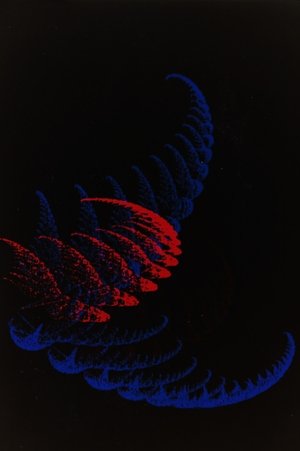
A computer generated fern follows a modular synthesizer soundtrack.
Diam's, the beloved icon of French rap, gave up everything at the height of her success. The young woman experienced a real descent into hell: depression, loneliness, and disillusionment in the face of suffocating fame. On the brink of disaster, she found refuge in religion. Rare archives, memorable music videos, and previously unseen testimonials reveal the violence of her success and her vital need to disappear in order to rebuild herself, choosing the shadows after the light.
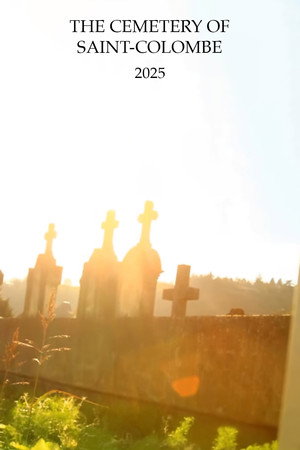
A small exploration in the cemetery from the township of Sainte-Colombe throught a focus into the light, graveyards, flaggings and funerary plaques.
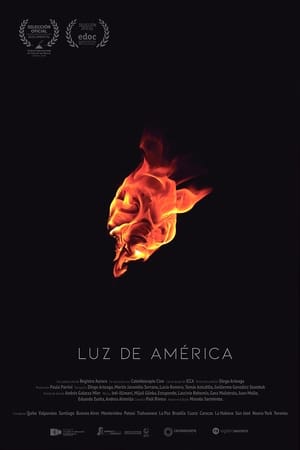
From the light that falls on the backyard of his house on the day of the equinox without shadow in Quito, and inspired by the "Theory of colors" of Goethe, the director takes us to several cities in America to reflect on the influence that the light has in the understanding of our surroundings.
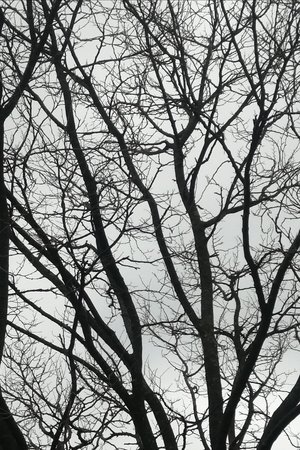
A homogeneous structure of wind and light across tree branches in the South region of Isère
Building as a magic lantern preserving small stories of human interactions throught clear permutations in the editing room, a work that want to understand the beauty of noises and the meaning of departure, going far away.
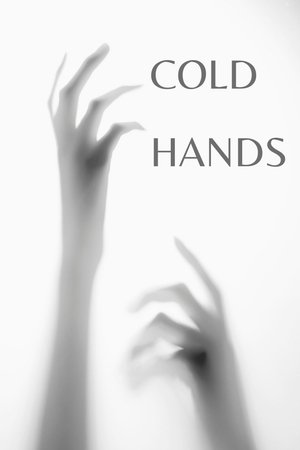
Two hands over a light.
Five fragments of observation and sensations during a journey with Gorneton's trail in Seyssuel, Isère. A work-in-progress with sounds, the interest of light and the solitude of a digital camera.
This short tells the story of archery through the ages, mostly using Warner Brothers archive footage. Noted archer Howard Hill demonstrates his skills with various trick shots.
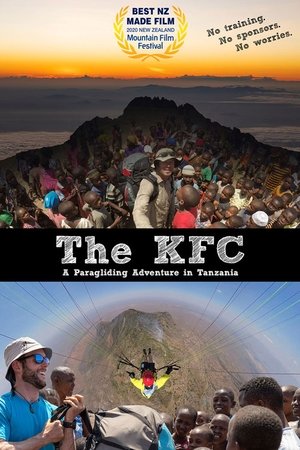
Five Kiwis take on a paragliding adventure in Tanzania, with the ultimate aim to fly from the summit of Mt Kilimanjaro.
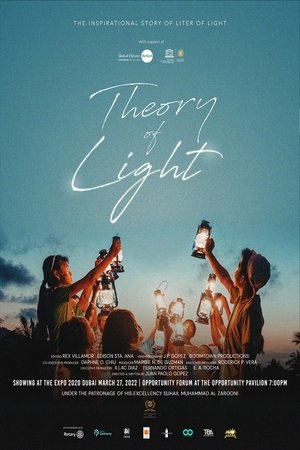
Theory of Light is a documentary centred on the climate emergency through a climate justice lens. It's committed to uplifting the perspectives of communities already being impacted by climate change and representing those who feel excluded from the climate movement.
Filmed during lockdown 2020, ‘de Luz/Of Light’ explores fleeting perceptions and cyclic rituals of Portuguese coastal landscapes, specifically surrounding the Cabo Sardão Lighthouse in Beja, and constructs a complex audio-visual narrative through collaging together various natural rhythms (such as the sun and motion of the sea). This film is intended for screening with a 16:27 aspect ratio. The soundtrack was composed by sound artist Michelle Lewis-King.
Soji-ji (1979) is a video work documenting a chant recitation at a Zen temple. The chant recited by many monks does not proceed in unison like group singing. Each monk recites in sync with his breath, so that the intake of breath occurs at different moments. That is to say, each monk articulates the chant differently. Since there is no unified division, when the multiple chants overlap, an endless wave of chant (sutra) appears as a collective density or modality (at the same time, each monk’s steps form a totally different rhythm from the individual chants).
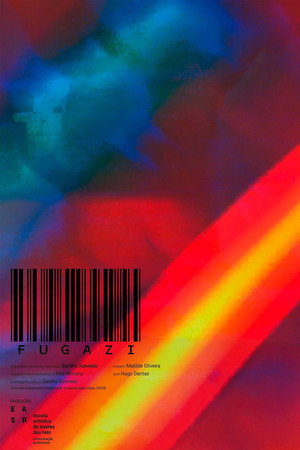
FUGAZI is an experimental short film that explores the genesis of space through the presence of sound. Inspired by Leibniz’s relational theory, the film suggests that space only exists when it is inhabited, in this case, by sound. Through a sensory and progressive montage, sound reveals, transforms, and collapses space, guiding the viewer through cycles of creation and dissolution. It is an audiovisual experience about the invisible becoming visible when heard.