Opus pro smrtihlava
Zurich, 1905. Nineteen-year-old Russian Sabina Spielrein is put by her parents in a psychiatric hospital, suffering from a severe form of hysteria and refusing to eat. A compassionate doctor, Carl Gustav Jung, takes her under his care and, for the first time, experiments with the psychoanalytical method of his teacher Sigmund Freud. Thus is born a sweeping story of love and passion, of body and soul, soaring to the utmost heights, but also plunging to the darkest depths of the 20th century.
A journey through the life, work and many artistic miracles of the brilliant Spanish filmmaker Luis García Berlanga (1921-2010).
Set backstage at three iconic product launches and ending in 1998 with the unveiling of the iMac, Steve Jobs takes us behind the scenes of the digital revolution to paint an intimate portrait of the brilliant man at its epicenter.
The extraordinary life of Carla Fracci, the greatest Italian ballerina of all time, told from her first steps at the Accademia del Teatro alla Scala in Milan to the stages of the most prestigious international theaters, passing through the controversial choices, difficult sacrifices, and important satisfactions that marked her rise. Freely inspired by the autobiography “Passo dopo passo – La mia storia” (Step by Step – My Story).
A personal look at the influential former politician who rose to fame as a driving force behind anti-communist and anti-homosexual U.S. political sentiment during the Cold War.
The life story of Aleksis Kivi, author of the first Finnish novel in Finnish language and (posthumously) its most successful writer.
Náš pán doktor
The life of a heroine. The life and work of Hella Wuolijoki. A poet, spy and millionaire, she turned into an internationally acclaimed businesswoman, politician and playwright, who collaborated with Europe's leading writers such as Bertolt Brecht and Maxim Gorky, but faced the harshness of a changing world as the Finnish, Soviet and British secret services focus on her life, family and work.
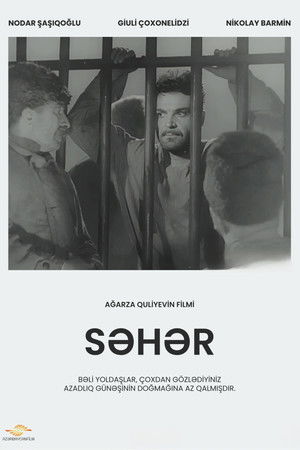
After the novel of the same name of Mehdi Huseyn.
Baťa
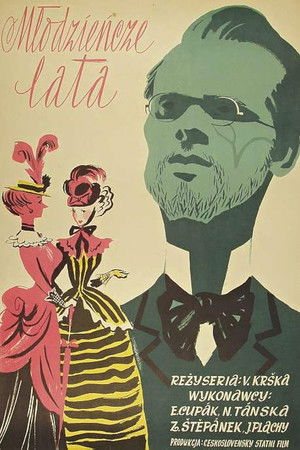
Early Days follows the early life of famous Czech writer Alois Jirásek. Jirásek had already developed his own view of the history of the Czech nation while he was at grammar school in Broumov. When he becomes the supply teach in Litomyšl, he has already written his first book and a number of poems. The local dignitaries await the arrival of the young writer in excited anticipation. Jirásek, however, is sickened by the empty patriotism from the depths of his soul and soon becomes disagreeable to the notables. The district sheriff tries to remove Jirásek from the school and drive him out of town. Unable to do this, the sheriff appoints a pro-Austrian headmaster who attempts to sabotage Jirásek. The students stand behind Jirásek , however, and discontent is not only felt in Litomyšl but throughout Bohemia.
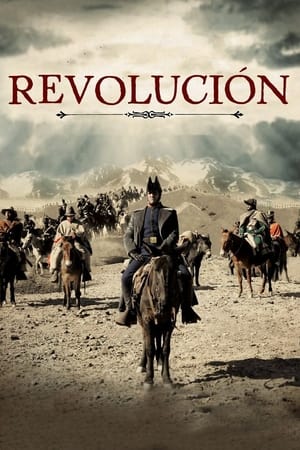
Buenos Aires, 1880. A journalist interviews Manuel Esteban Corvalán, one of the last living men who crossed the Andes in 1817 with José de San Martín, during the Argentinian and Chilean wars of independence, as one of his secretaries, when he was only 15 years old.
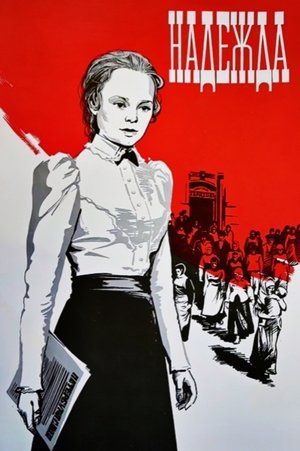
The film tells about the childhood and youth of the wife, friend and military ally of the founder of the country of the Soviets Nadezhda Konstantinovna Krupskaya. The main attention in the film is paid to the participation of a young revolutionary in the organization of the struggle of the workers of St. Petersburg for their rights, against the autocracy.
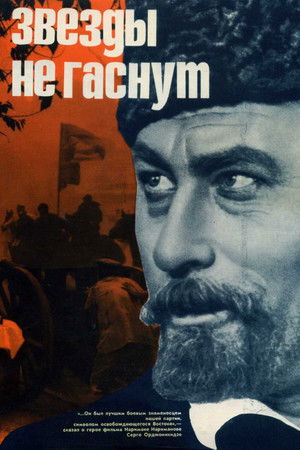
The film consists of several novels reproducing the most vivid pages of the biography of the first Chairman of the Council of People's Commissars of Azerbaijan Nariman Narimanov (1870-1925).
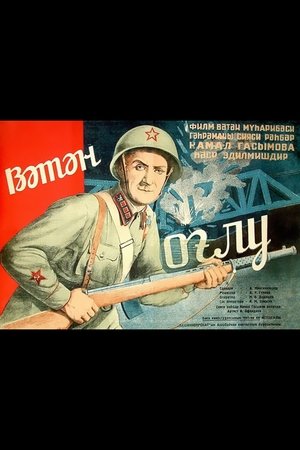
The film is about Kamal Gasimov's heroic fighting at the front.
The inspiring true story of Seretse Khama, the King of Bechuanaland (modern Botswana), and Ruth Williams, the London office worker he married in 1948 in the face of fierce opposition from their families and the British and South African governments. Seretse and Ruth defied family, Apartheid and empire - their love triumphed over every obstacle flung in their path and in so doing they transformed their nation and inspired the world.
Lyndon B. Johnson's amazing 11-month journey from taking office after JFK's assassination, through the fight to pass the 1964 Civil Rights Act and his own presidential campaign, culminating on the night LBJ is actually elected to the office – no longer the 'accidental President.'
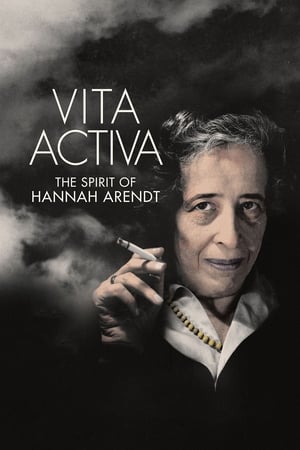
The life and work of German political philosopher of Jewish descent Hannah Arendt (1906-75), who caused a stir when she coined a subversive concept, the banality of evil, in her 1963 book on the trial of Nazi war criminal Adolph Eichmann (1906-62), held in Israel in 1961, which she covered for the New Yorker magazine.
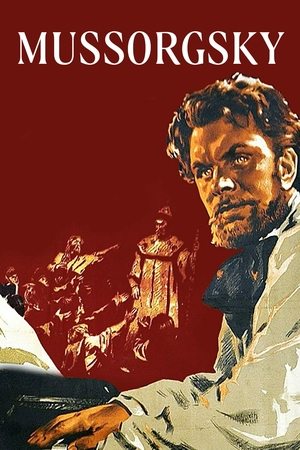
Saint Petersburg, 1858. A group of composers known as The Five meet at Balakirev's. Young Modest Mussorgsky, both a civil servant and a musician, has become a fixture there. He tells about the first opera he plans to compose. Then he goes to the country where he discovers the lowly conditions of the peasants and the bloody conflicts with the rich land owners. He works on Gogol's 'The Marriage', trying to render into music the natural accents of the play's naturalistic dialogue. But his efforts do not pan out. On the other hand, he starts writing his opera on the story of Boris Godunov. The Marinsky Theatre refuses to stage the work. The Five, and Mussorgsky among them, are libeled and the group starts disintegrating. When 'Boris Godunov' is finally performed in 1874, it is a popular success.