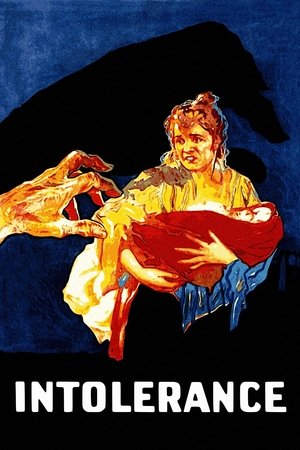
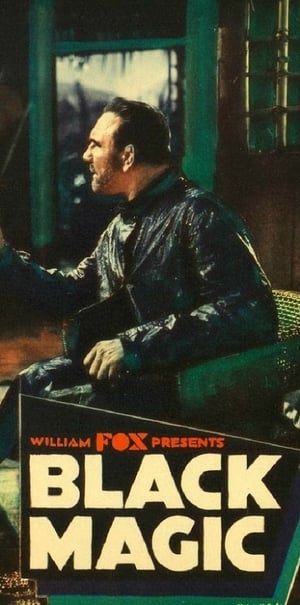
Anita and Marion realize that an abandoned baby they sneaked into an orphanage was kidnapped from a millionaire. For the reward, they proceed to break into the institution at night, dressed as men to beat curfew, to get the kid out again. This film survives only in very fragmentary form.
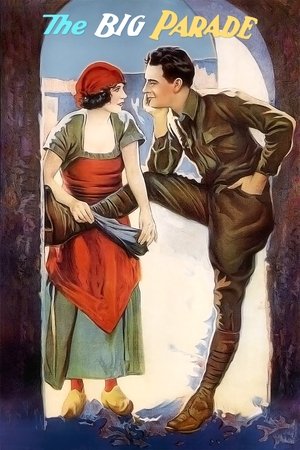
In times of World War I, a group of boisterous young ladies occurs to them that they could help the boys of the front writing letters to them and, thus, becoming their godmothers of war. Madeleine writes to the soldier Jacques Bertin, but, out of prudence, instead of giving her true identity, she impersonates her late grandmother. When the soldier comes on leave and wants to see her, the mistake will bring humorous consequences.
Five friends, all affected in some way by a mercury poisoning incident are partying when a freak accident put them on a collision course with an entity that is in no mood to forgive their misgivings.
The film tells the story of a man and woman who don't know each other. After being matched by a matchmaker, after going through a series of red tape, they were sent to the bridal chamber and began a difficult life as a couple. Despite the primitive shooting methods and lack of training of the actors, the film has a very important place in the history of Chinese film. The film has now been lost.
A collaboration between Man Ray and Henri Chomette,, half-brother of the filmmaker René Clair.
Believed to be the first film to feature cannibals.
Ninon, a veteran stage artist, resides in her villa in Provence, surrounded by admirers as veteran or more than her. A film crew arrives at the gardens of the town to film some scenes in that beautiful spot. The director and screenwriter of the team will notice the charms of Ninon.
Photoplay and Direction by Charles Busch
A dramatized account of a great Russian naval mutiny and a resultant public demonstration, showing support, which brought on a police massacre.
The mysterious Count Orlok summons a happily married real estate agent to his castle, located up in the Transylvanian mountains, to finalise a terrifying deal.
This pioneering documentary film depicts the lives of the indigenous Inuit people of Canada's northern Quebec region. Although the production contains some fictional elements, it vividly shows how its resourceful subjects survive in such a harsh climate, revealing how they construct their igloo homes and find food by hunting and fishing. The film also captures the beautiful, if unforgiving, frozen landscape of the Great White North, far removed from conventional civilization.
Sergei M. Eisenstein's docu-drama about the 1917 October Revolution in Russia. Made ten years after the events and edited in Eisenstein's 'Soviet Montage' style, it re-enacts in celebratory terms several key scenes from the revolution.
Die Fürstin Woronzoff
Professor Barbenfouillis and five of his colleagues from the Academy of Astronomy travel to the Moon aboard a rocket propelled by a giant cannon. Once on the lunar surface, the bold explorers face the many perils hidden in the caves of the mysterious planet.
A classic of the silent age, this film tells the story of the doomed but ultimately canonized 15th-century teenage warrior. On trial for claiming she'd spoken to God, Jeanne d'Arc is subjected to inhumane treatment and scare tactics at the hands of church court officials. Initially bullied into changing her story, Jeanne eventually opts for what she sees as the truth. Her punishment, a famously brutal execution, earns her perpetual martyrdom.
A drama about the contents of a last will and testament left behind by an African-American sharecropper who was lynched after being falsely accused of the murder of a white plantation owner.
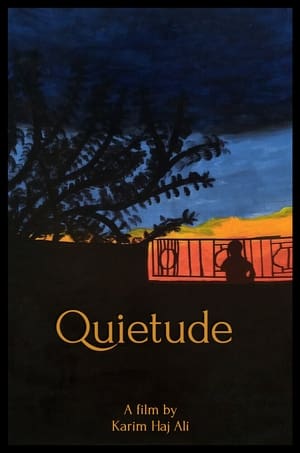
Told through a single window-frame in Lebanon, the history of two generations unfold. Family dynamics take place, in a means all too familiar to make one wonder: will they repeat their own history?
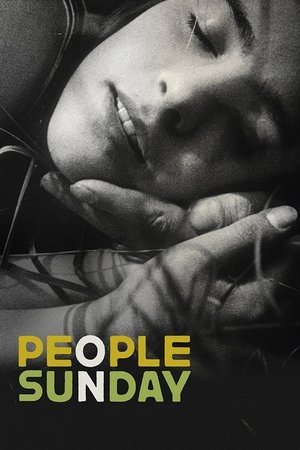
A semi-documentary experimental 1930 German silent film created by amateurs with a small budget. With authentic scenes of the metropolis city of Berlin, it's the first film from the later famous screenwriters/directors Billy Wilder and Fred Zinnemann.
A day in the city of Berlin, which experienced an industrial boom in the 1920s, and still provides an insight into the living and working conditions at that time. Germany had just recovered a little from the worst consequences of the First World War, the great economic crisis was still a few years away and Hitler was not yet an issue at the time.
Francis, a young man, recalls in his memory the horrible experiences he and his fiancée Jane recently went through. Francis and his friend Alan visit The Cabinet of Dr. Caligari, an exhibit where the mysterious doctor shows the somnambulist Cesare, and awakens him for some moments from his death-like sleep.