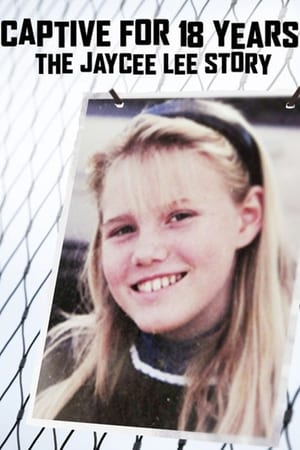
The story of Jaycee Lee Dugard, a girl who was kidnapped outside a school bus stop and found alive eighteen years later.
An undercover investigation focuses on the Taliban's crackdown on women in Afghanistan.
A group of teenagers from Flint, Michigan filmed themselves kidnapping and terrorizing a new acquaintance, before taking her out to a woods and dumping her in a shallow grave. They then taunted their terrified and blindfolded victim asking if she had any last requests before they cut her throat. But was the kidnap real or just a game? Three days later the tape was in the hands of the police and the 5 teenager friends were in custody facing life imprisonment. This program talks to the people at the heart of this story - including two of the defendants - in an attempt to understand what really happened in the woods around Flint last year. It also screens the video of the 'abduction'. What is revealed is an extraordinary and disturbing record of a night when something went terribly, terribly wrong.
"No Book This Year" tells the story of Yalda, a former staff member of Afghanistan's booth at the Frankfurt Book Fair. Years after the booth's closure, Yalda takes it upon herself to independently relaunch Afghanistan's presence at the fair. Despite numerous challenges and obstacles, her unwavering determination to showcase Afghan literature and culture shines through, illustrating the resilience of the human spirit in preserving cultural heritage.
Journalist Renée Nyberg meets showjumper Ulrika Bidegård, who in 1993 was kidnapped and kept locked up for five days while the police launched an extensive search operation. Now she and her family are talking about the terrible days and life afterwards.
The Kabul National Museum, once known as the "face of Afghanistan," was destroyed in 1993. We filmed the most important cultural treasures of the still-intact museum in 1988: ancient Greco-Roman art and antiquitied of Hellenistic civilization, as well as Buddhist sculpture that was said to have mythology--the art of Gandhara, Bamiyan, and Shotorak among them. After the fall of the Democratic Republic of Afghanistan in 1992, some seventy percent of the contents of the museum was destroyed, stolen, or smuggled overseas to Japan and other countries. The movement to return these items is also touched upon. The footage in this video represents that only film documentation of the Kabul Museum ever made.
Documentary shedding light on the emotional fallout of the murder of Sarah Payne, the eight-year-old girl who was kidnapped and killed in Kingston Gorse, West Sussex, in 2000. Two weeks after her disappearance, Sarah's body was found, and after a high profile police investigation, Roy Whiting was convicted of her murder and sentenced to life imprisonment. Testimonies from friends, family, police officers, key witnesses and experts in criminology are combined with an interview with Sarah's mother, to illustrate the tragic toll the case took on those closest to the victim.
At the peak of her immense popularity in the 1920s, evangelist Aimee Semple McPherson was drawing larger crowds to her revivals than those of P.T. Barnum or Harry Houdini. This chapter of "American Experience" paints a vivid portrait of the controversial and charismatic religious figure. Credited with mainstreaming religion in American culture, Sister Aimee created one of the country's first Christian radio stations, among other accomplishments.
A reputed Detroit drug kingpin who once staged his own kidnapping and assassination to disappear for several months, was killed.
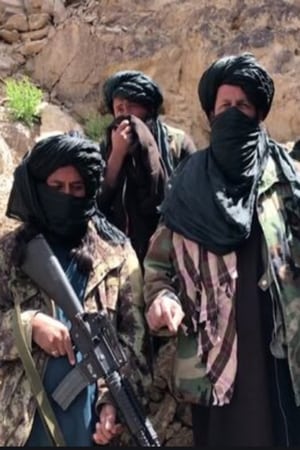
"Inside the Talibans" - What will happen if the Talibans return to power? Swedish journalist Magda Gad travels the Herat and Wardak provinces of Afghanistan to meet with the Taliban fighters.
In March 2001, the ruling Taliban destroyed Afghanistan's foremost tourist attraction, the 1600 year-old Buddhas of Bamiyan. This film follows the story of one of the refugees who now lives among the ruins….an eight-year-old boy named Mir.
Ghostly images of Colombia’s jungle landscapes are set to radio transmissions sent by family members to their kidnapped loved ones—heartrending messages of grief, support, and, against all odds, hope.
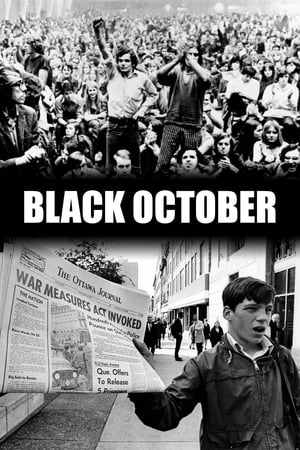
A documentary recounting the kidnappings of British Trade Commissioner James Cross and Quebec Vice-Premier & Minister of Labour Pierre Laporte by the FLQ on October 5, 1970 in Quebec.
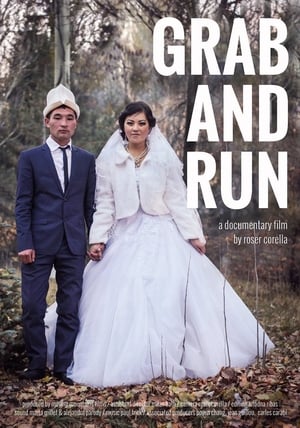
After the Kyrgyzstan Independence in 1991, the ancient practice of Ala-Kachuu ("grab and run") returned. Some women escape the men that kidnap them, but many remain married because of tradition and the fear of scandal.
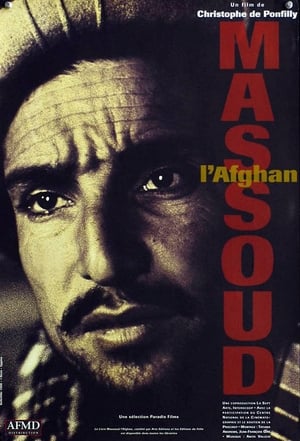
The friendship between Christophe de Ponfilly and Commander Massoud, a legendary figure of the Afghan resistance against the Soviet invader, goes back to the filmmaker's first film, "A Valley Against an Empire", made in 1981. Fifteen years later, weakened, isolated, betrayed by many of his own, the "Lion of Panshir" has not surrendered to his new and implacable enemies, the Taliban. While preparing his next offensive, he evokes his commitment and his fights, and bears witness to a history in which he has been one of the main actors for twenty years. At the same time, the director questions the role and power of the media, as well as his own approach as a filmmaker. Commander Massoud was killed in an attack in September 2001.
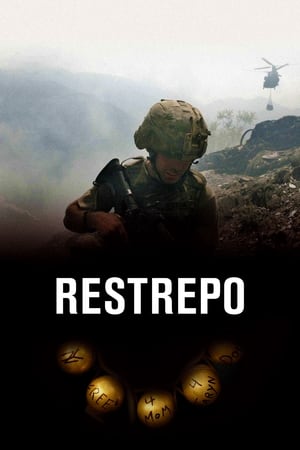
Directors Hetherington and Junger spend a year with the 2nd Battalion of the United States Army located in one of Afghanistan's most dangerous valleys. The documentary provides insight and empathy on how to win the battle through hard work, deadly gunfights and mutual friendships while the unit must push back the Taliban.
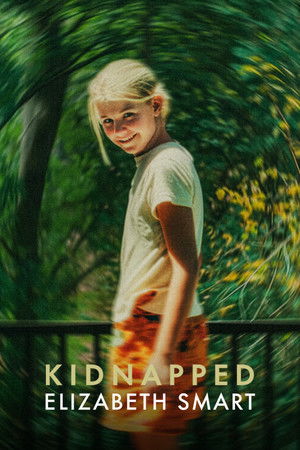
Elizabeth Smart's harrowing abduction at 14 from her family's Utah home unfolds through her own words and never-before-seen material in this documentary.
Danish soldiers are sent to Afghanistan in 2009 for 6 months, to help stabilize the country against the Taliban. They're stationed on Armadillo military base in Helman province. Unlike other war movies, this is the real deal – no actors.
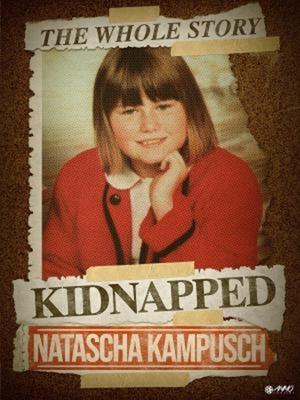
At the age of 10, Natascha Kampusch was kidnapped and held captive for eight years by a deranged man. In 2006, she managed to escape, and the world discovered an astonishingly articulate and intelligent young woman. Not only did Peter Reichard film 14 hours of conversations with Kampusch, but he was also the very first filmmaker to obtain exclusive access to the house where she was imprisoned. This is the most complete, explicit and revealing documentary in which Kampusch has participated.
Explores U.S. Special Forces role in the massacre of about 3,000 unarmed Taliban prisoners of war in Afghanistan from the battle of Mazar-e-Sharif by Northern Alliance soldiers.