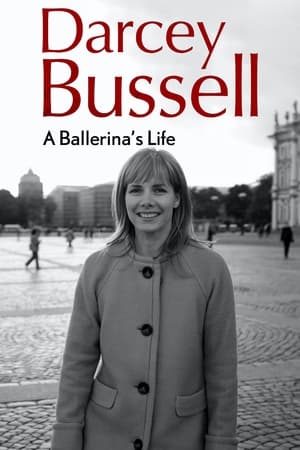
Prima ballerina Darcey Bussell talks about her life at the top. From tears at ballet school and forgetting the steps, to becoming the Royal Ballet's youngest-ever principal and her favourite roles, Darcey recalls her performing career from its earliest days.
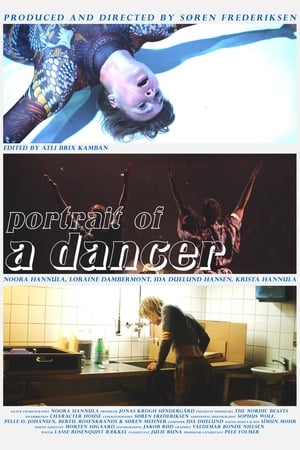
The Finnish modern dancer Noora Hannula dances through this documentary film in her own explosive style. Noora’s life has always been very connected to the artist environment with her grandfather, Simo Hannula, who throughout his entire life dedicated him fully to his art. Noora and her grandfather crossed paths when Noora used a picture of his dead body in her show and now we meet Noora working on her newest show: The Era of No Talent Rising, while she is trying to figure out where her own limits are.
Documentary short from the NFB Canada Carries On series on dancing from the different cultures in Canada.
In this revealing documentary, burlesque star Immodesty Blaize examines the world of British burlesque and the resurgence in its popularity.
Joanna Is Skywalking
Christine attends her first and last prom accompanied by Martin Fredericksen
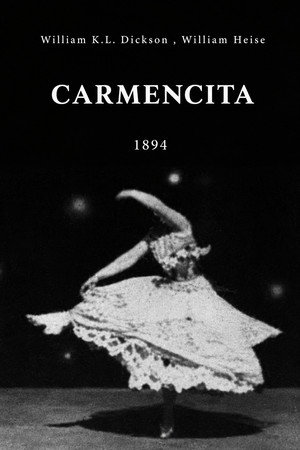
The first woman to appear in front of an Edison motion picture camera and possibly the first woman to appear in a motion picture within the United States. In the film, Carmencita is recorded going through a routine she had been performing at Koster & Bial's in New York since February 1890.
Bal Romantique à Montmartre
An experimental short comprising a few dance numbers.
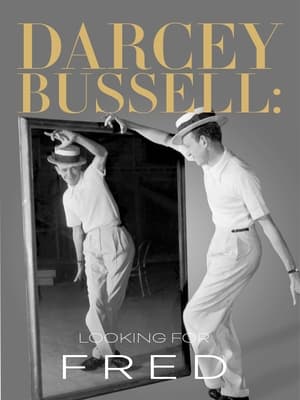
Documentary in which Darcey Bussell profiles Hollywood dancer Fred Astaire, marking 30 years since his death.
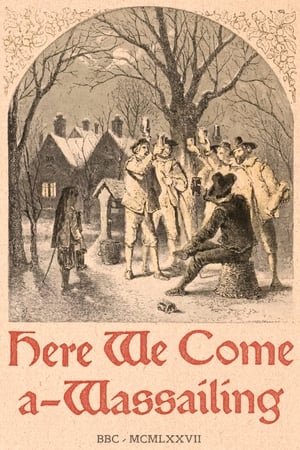
A documentary on the surviving syncretic pagan midwinter customs of the British Isles, focusing on nine ritual celebrations ranging from the Moray Firth in the north, the Somerset Levels in the south, Humberside in the east, and County Kerry in the west. Featuring music by the Albion Band and narration by John Tams.
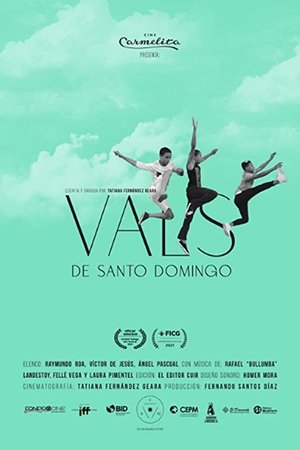
Three teen ballet students — Raymundo, Angel and Victor — are the only boys in a class of twenty. In a country where dance is mostly considered an activity for women, they are determined to follow their dreams and challenge traditional gender roles. Like a waltz, music played in triple time, the three boys move through Santo Domingo while confronting, yet sometimes abiding by, the Dominican machismo culture.
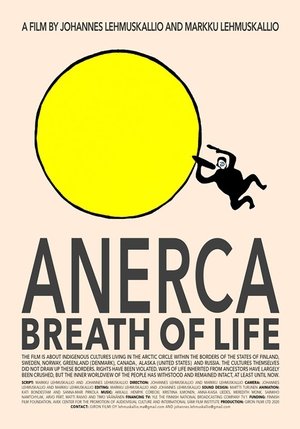
Markku Lehmuskallio has devoted a large part of his documentary work to the indigenous people of the Arctic Circle. In this latest film, co-directed with his son Johannes Lehmuskallio, he composes a fascinating poetic ethnography inspired by the singing, dancing, forms of contemporary existence and, above all, the vital breath of these nomad communities mistreated by History.
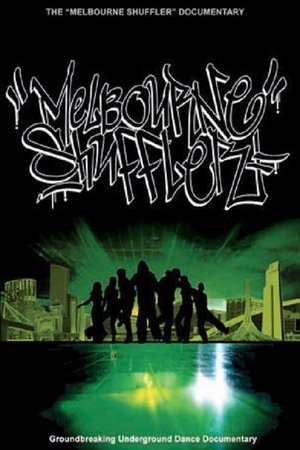
Dance music has spread across the world transcending religious & racial barriers connecting to the hearts and souls of millions. People have always felt the rhythm of music and have as a result evolved countless dance styles throughout the ages. Beginning in the late 80's in Melbourne's underground dance music party scene, a revolutionary freestyle dance began to grow and has now developed into the most unique and robust underground dance style since the birth of Breakdancing. The Melbourne Shuffle has no set steps but encourages individuality and imagination, incorporating dance moves from numerous styles such as miming, popping & locking, liquid and breaking.
For 23 straight Saturday nights of 1982, The Chicago Party dance show assaulted Chicagoland UHF eyeballs with Spandex, Southside fly guys, tender tenderonies, magicians, contortionists, prismatic video gimmickry, and lip-synched singles by a rising regime of local post-disco casualties. Unfettered nightlife and outlandish humor poured out of oddball outpost The CopHerBox II and onto TV screens. Pooling business acumen with music scene prominence, James Christopher and Willie Woods opened the CopHerBox II in 1979 at 117th and Halsted on Chicago’s Southside. To promote their venture, they purchased airtime on Chicago’s WCIU-TV Channel 26 for weekly installments of The Chicago Party. Each Saturday, the club’s adult clientele filled the illuminated dance floor, providing vibrant B-roll between tapings of breakdancing magicians and Jheri curled ventriloquists, giving an audience to a rising regime of Chicago Soul heavyweights.
Son rêve à lui
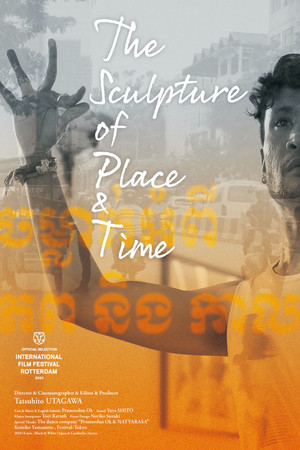
Phnom Penh-based dancer Prumsodm Ok—a Cambodian-American and pioneer of the first Cambodian gay dance company Prumsodun Ok & NATYARASA—demonstrates the meticulous form of Khmer dance. This short draws a parallel between the nature of film as a time machine and the dancing human body as both fundamentally dynamic and temporal. Within the frame beckons a prayer for healing and empowerment in the face of violence and conflict.
A document of Tatsumi Hijikata's Butoh dance with Kazuo Ohno as the guest dancer shot in Hijikata's early period when he was emerging as the originator of Butoh. All of the male dancers are dressed up with evening suits and move gracefully, yet an intruder breaks up the whole scene abruptly. The film is worth seeing, even if just to see a memorable gay duet of Hijikata and Ohno. Overexposed, washed out images are sandwiched among normal ones.
The Art of Ohad Naharin - Volume 2 (Sadh21)
A debate about the presence of black culture in Brazilian contemporaneity, as well as the various paradoxes found in the environment of a society marked by a racist and slavery tradition.