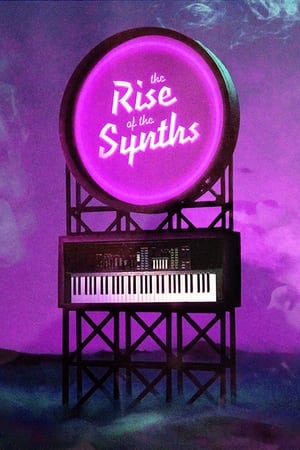
A documentary about the Synthwave scene, nostalgia and the universe of creating sounds. A love letter to human fascination and the collective memories of a universe, that never existed.
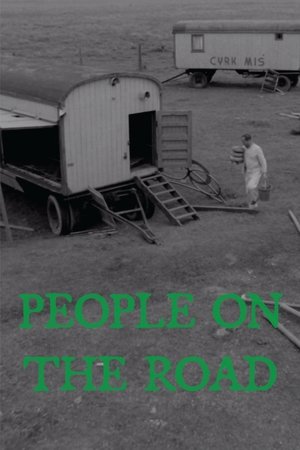
A portrait of a traveling circus.
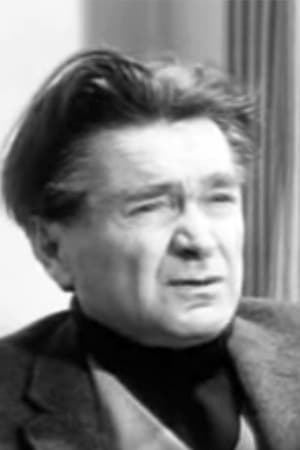
E. M. Cioran. Sa vie. Son oeuvre
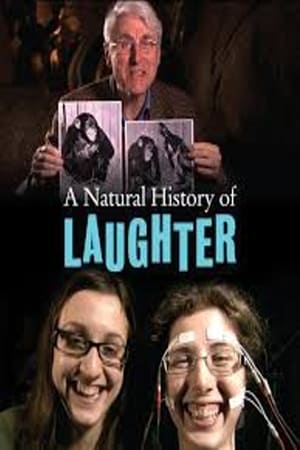
For how long have we been laughing? Are human beings the only ones to laugh? In the past, scientists tended to neglect such questions of laughter, leaving them to the philosophers. Jacques Mitsch's A NATURAL HISTORY OF LAUGHTER explores recent scientific attempts to explicate this most elusive of human faculties, undertaken by scientists who see it as a means of approaching some of the larger mysteries of neurology and human behavior.
The film portraits the stage previous to the outbreak of the Mexican Revolution, from the end of Porfirio Díaz´ government, the social volatility, the ephemeral government of Madero and the presence of the working class in the figures of Villa and Zapata, until the signing if the Constitution of 1917. All of this through moving images, filmed during those events mainly by the Alva brothers, filmmakers of that time. Those images let us perceive the contradictory and shuddered glance of the people of that period.
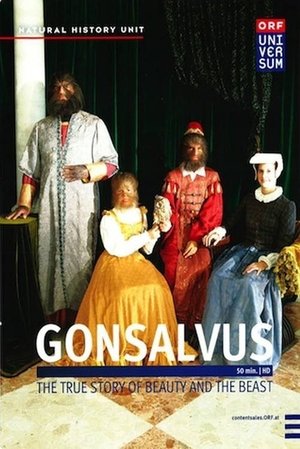
It's a condition known as "hypertrichosis" or "Ambras Syndrome," but in the 1500s it would transform one man into a national sensation and iconic fairy-tale character. His name: Petrus Gonsalvus, more commonly known today as the hairy hero of Beauty and the Beast.
Los últimos guerrilleros - Historia de la A.G.I. (Agrupación guerrillera de Levante)
Lágrimas rojas
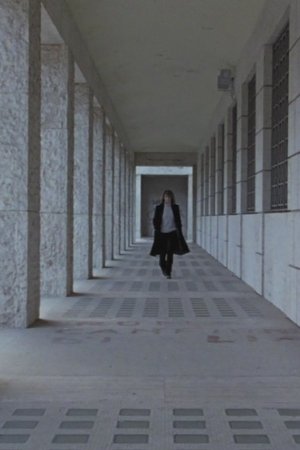
E42 is a cinematic exploration of the area in Rome knows as the EUR, a modernist landscape that was originally designated by Mussolini as the the site of the World Fair of 1942 and as a celebration of the 20 year anniversary of Fascism. Originally designed as a monumental space for public performance and collective acts of solidarity to the Fascist regime, this landscape was in fact never inaugurated. After the war, the 420 acre area was recuperated and today projects a timeless aura of an unfinished and temporary, empty and silent, monumental and imposing as well as an ephemeral landscape.
On June 14, 1977, the eve of the first democratic elections after Franco's regime, Llorenç Soler and his crew go out into the street and ask passers-by which party they are going to vote for.
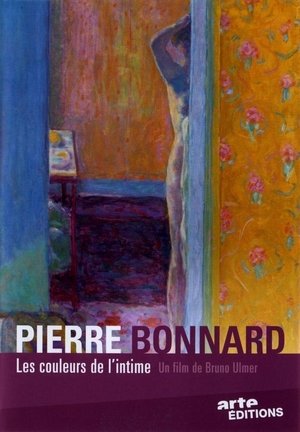
How did Bonnard, one of the great masters of 20th-century painting, a secretive, anxious man with an ordinary everyday life, become this undisputed painter of intimacy, capable of transforming reality into a unique and incandescent world? Through his paintings, but also his private journals, his correspondence with Matisse and Vuillard, the photographs he loved, and the places where he lived, the film immerses us in the world of this master of color.
A documentary about vivid punk and alternative rock scene of Subotica, the northernmost Serbian city, through the periods of communism, tyranny of the 1990s regime, and economic transition at the beginning of XXI century. Seen through the eyes of its witnesses, these musicians and creative artists deliberately refused the imposed way of behavior, hence staying "invisible" to everyday people.
The carnage in Sarajevo provides the focus of this French documentary which seeks to call attention to the terrible conflict in the hopes of finally ending it. The film is divided into five parts. Each part covers a time frame ranging from April 4, 1992, the beginning of the war, to the present. The major issues that occur are three-fold. It depicts the systematic genocide of Bosnians, the silence of Western countries, and the determination of the Bosnians to resist. They refuse to be seen as victims, even though the filmmakers portray them so. Also included are the origins and political aspects of the war. It offers interviews with participants. It also reveals how the U.S. State Department censored reports about Serbian death camps.
A documentary about punk and subculture scene of Pula, Croatia from 1978 to 1991, the city that gave birth to one of the most vivid punk and alternative rock scenes in former Yugoslavia, despite having population of just over 60,000 residents.
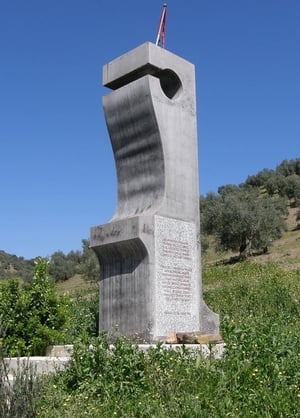
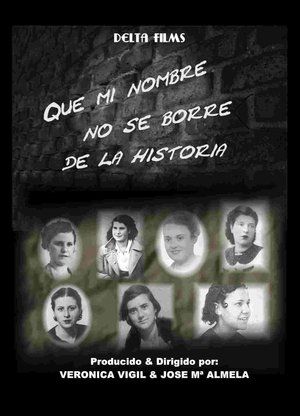
Que mi nombre no se borre de la historia
Bajo el signo libertario is a propaganda documentary, with the script and direction of Les (known for his articles in Solidaridad Obrera and the magazine Espectáculo) whose central theme is the reconstruction of the development of life in a libertarian community in the Aragonese town of Pina de Ebro.
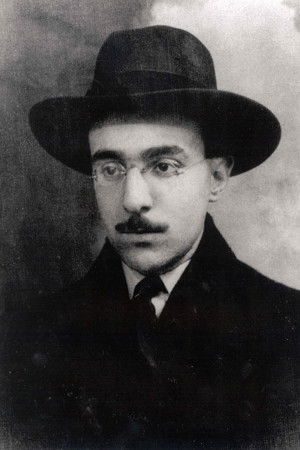
The documentary about the life of Fernando Pessoa, defended by journalist Clara Ferreira Alves, underlines how, in just 30 years, Fernando Pessoa built an immense body of work, of astonishing quality and all of this while being nothing more than an anonymous office worker all his life.
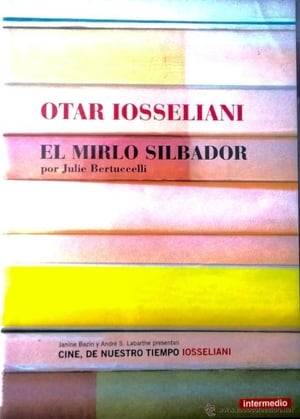
Georgian director Otar Iosseliani prepares his film Jardins en Automne. Nothing is conventional in the filmmaker's system: Julie Bertuccelli portrays the gestation and production of a film that seems to follow the freest and most unpredictable poetic intuitions of its creator. The constant and hilarious arguments with the producer, Martine Marignac, a Michel Piccoli transformed into an old woman, and the director's peculiar filming system, in which he signals his actors to start with a whistle, paint a picture of one of the most unclassifiable cinematic experiences in contemporary cinema.
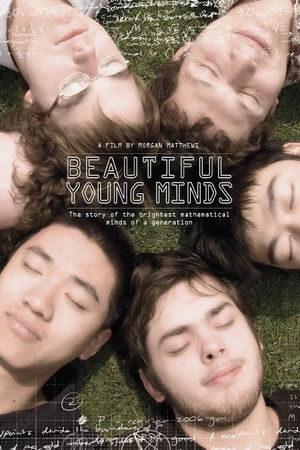
This BAFTA nominated documentary tells the story of some of the brightest mathematical brains of a generation. Each year, exceptionally gifted teenagers from over 90 countries compete for medals at the International Mathematical Olympiad. The film follows a group of brilliant teenagers as they battle it out to become the chosen six selected to represent the UK.
Arne Sucksdorff: Uma Vida Documentando a Vida