A short film about Pete Seeger and the birth of banjo music throughout the Southern United States.
Appalachian Journey is one of five films made from footage that Alan Lomax shot between 1978 and 1985 for the PBS American Patchwork series (1991). It offers songs, dances, stories, and religious rituals of the Southern Appalachians. Preachers, singers, fiddlers, banjo pickers, moonshiners, cloggers, and square dancers recount the good times and the hard times of rural life there. Performers include Tommy Jarrell, Janette Carter, Ray and Stanley Hicks, Frank Proffitt Jr., Sheila Kay Adams, Nimrod Workman and Phyllis Boyens, Raymond Fairchild, and others, with a bonus of a few African-Americans from the North Carolina Piedmont.
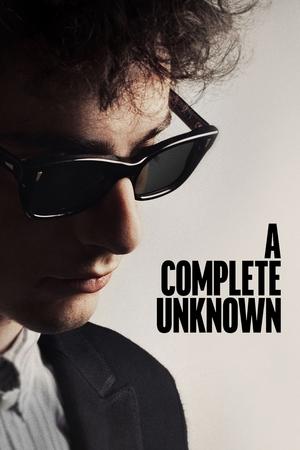
Tracing his career up to the point of his 1966 motorcycle accident and subsequent disappearance from the spotlight, this unauthorized documentary uncovers a side of Bob Dylan never revealed before. Includes extensive interviews and rare footage.
Wirklich alles?!
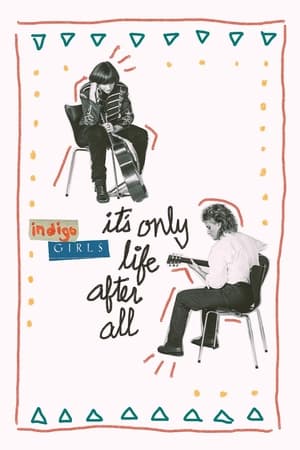
Two strangers, both folk musicians stranded in California, take a road trip to New York in the days after 9/11. A story about the kindness of strangers and the power of music.
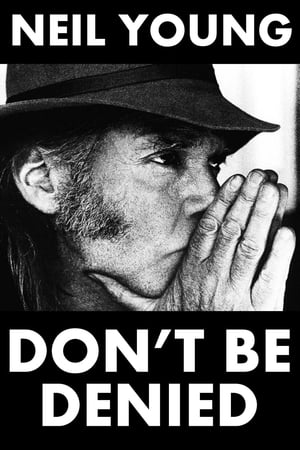
This television special is a first for the reclusive singer with the BBC documentary gaining new interviews with Young, nine months apart in New York and California. The documentary also looks back over the singer's archives, with some never-seen-before material.
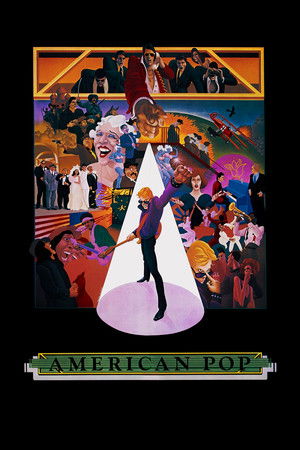
The history of American popular music runs parallel with the history of a Russian Jewish immigrant family, with each male descendant possessing different musical abilities.
During a decade rife with paranoia, in the middle of the McCarthy era, Music Inn was a bold experiment. Halfway between the Second World War and The Civil Rights Movement, Phil and Stephanie Barber created an oasis in the Berkshire Hills in Western Massachusetts where aspiring musicians came to learn from the very best. Students and faculty, young and old, rich and poor, white, black, and brown convened together and learned from each other. Defying the surrounding environment, Music Inn harbored a racial and cultural harmony where music was all that mattered.
A 16 minute short comprising 2 acts of a 1964 event where an innovative group of musicians performed on a real railroad track. The audience on one side of the tracks and the musicians on the station side.
Documentary following English folk-rock pioneers Fairport Convention as they celebrate their 45th anniversary in 2012. Fairport's iconic 1969 album Liege and Lief featured some of folk music's biggest names - including singer Sandy Denny, guitarist Richard Thompson and fiddler Dave Swarbrick - and was voted by Radio 2 listeners as the most influential folk album of all time.
Changing Landscapes meditates upon the care and carelessness humans brought to bear on the environment in Scotland. Rare archive combines with performances from the BBC Scottish Symphony Orchestra.
A square rich boy wants to make it with a pretty folk singer, so he buys the coffee house where she and a bunch of other beatniks perform. Features performances by The Goldebriars, The Free Wheelers, and a very young Joan Rivers doing a stand-up routine.
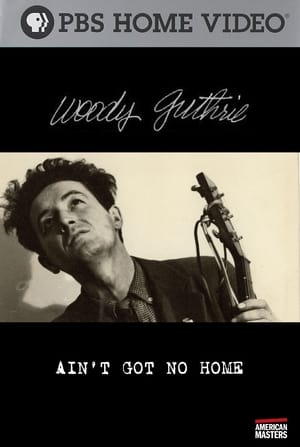
A biography of Woody Guthrie, one of America's greatest folk singers. He left his dust-devastated Texas home in the 1930s to find work, discovering the suffering and strength of America's working class.
Chronicles the 50-year career of singer/songwriter Jean Ritchie, from Viper, Kentucky to the New York stage. Pete Seeger, Arlo Guthrie, and her family and friends in Eastern Kentucky are among those interviewed. A 1996 KET production.
Heinz Strunk, plagued by crater-like skin rashes, lives with his sick mother in Hamburg-Harburg in the 1980s. As a saxophonist, he tours the North German lowlands with the dance combo "Tiffanys". In this bizarre universe of Korn, Klaus & Klaus and Koteletts, bandleader Gurki teaches him how to deliver cheerful, upbeat music. To escape the vicious circle of shooting festivals and village weddings, Heinz wants to start a solo career and become a hit producer...
Documentary about the blacklisted folk group The Weavers, and the events leading up to their triumphant return to Carnegie Hall.
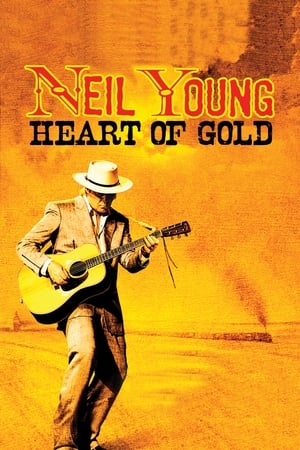
In March 2005, Neil Young was diagnosed with a brain aneurysm. Four days before he was scheduled for a lifesaving operation, he headed to Nashville, where he wrote and recorded the country folk album Prairie Wind with old friends and family members. After the successful operation and recovery period, he returned to Nashville that August to play at the famed Ryman Auditorium, once again gathering together friends and family for this special performance.
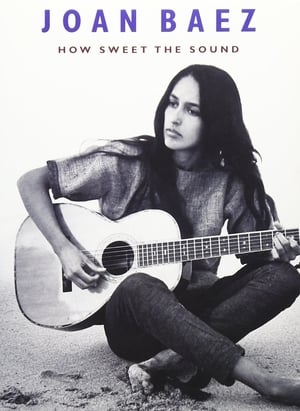
Following folk musician Joan Baez on her extensive 2008-2009 tour, this film commemorates her career, which has spanned five decades. It includes concert and archival footage as well as interviews with such disparate colleagues, friends and admirers as Bob Dylan, Jesse Jackson and David Crosby. In addition to the music, it also touchs upon Baez's long history of global social activism.
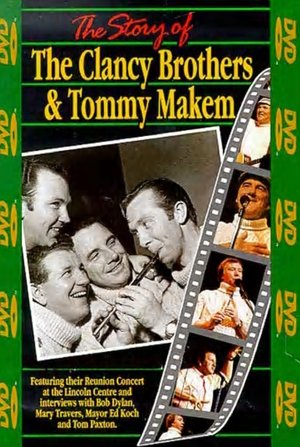
At the forefront of the folk revival movement since the 1950's, the Clancy Brothers and Tommy Makem are a highly influential group of Irishmen. Popularizing the traditional music of their homeland, the Brothers brought Celtic music into America, and remain some of its most avid performers.
A film about the first benefit rock concert when major musicians performed to raise relief funds for the poor of Bangladesh. The Concert for Bangladesh was a pair of benefit concerts organised by former Beatles guitarist George Harrison and Indian sitar player Ravi Shankar. The shows were held at 2:30 and 8:00 pm on Sunday, 1 August 1971, at Madison Square Garden in New York City, to raise international awareness of, and fund relief for refugees from East Pakistan, following the Bangladesh Liberation War-related genocide.