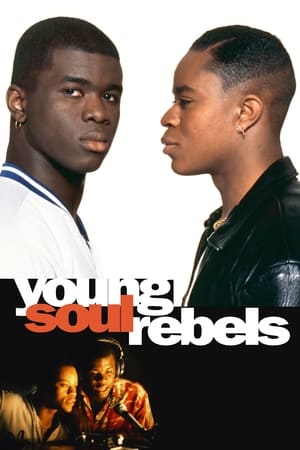
Two disc jockeys have a friend's murder to solve in the fringe-group melting pot of 1977 London.
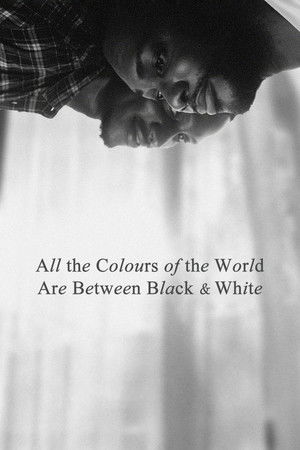
A black and white, fantasy-like recreation of high-society gay men during the Harlem Renaissance, with archival footage and photographs intercut with a story. A wake is going on, with mourners gathered around a coffin. Downstairs is an elegant bar where tuxedoed men dance and talk. One of them has a dream in which he comes upon Beauty, who seems to reject him, although when he awakes, Beauty is sleeping beside him. His story and his visits to the jazz and dance club are framed by voices reading from the poetry and essays of Hughes and others. The text is rarely explicit, but the freedom of gay Black men in the 1920s in Harlem is suggested and celebrated visually.
Bambino and Bawa meet in Lagos and hit it off immediately. During their long trips around the city they develop a deep affection for each other. But in a society which considers homosexuality taboo, they feel the pressure of social norms.
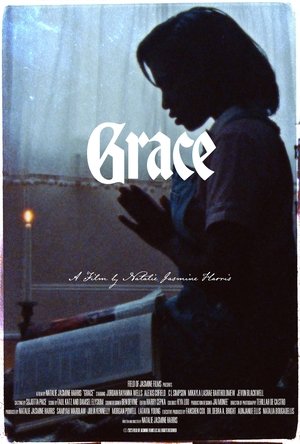
A 1950s Southern teen questions her faith and sexuality on the eve of her baptism when urged to repent her feelings for her best friend.
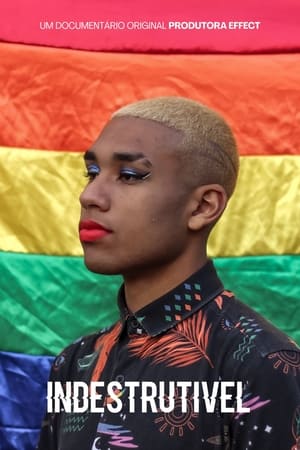
He is a sensitive boy who represses his true personality. After experiencing traumatic experiences, our protagonist begins to open to the world on a journey that made him the person who is. This is not the complete story, but shows a trajectory of overcoming and change.
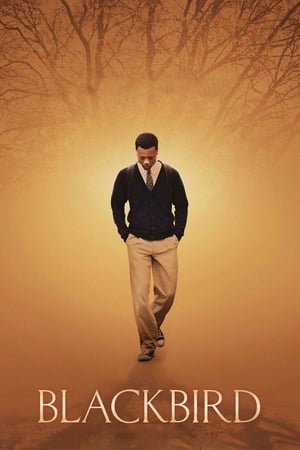
Seventeen-year-old Randy tries very hard to be a good person. Since his father left, Randy takes care of his emotionally disturbed mother, and he's the kind of friend all of his classmates can depend on. As strong as he seems on the outside, Randy is hiding a secret inner struggle and denial of his true self. It's not until he opens himself up to love that he discovers that becoming a man means accepting who you really are.
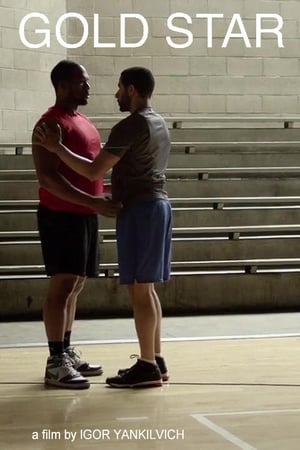
Danny is a champion amateur boxer about to compete in his first professional fight. Years of coaching by his father Issac and trainer Geoff are about to pay off. All Danny has to do is win. But as everyone is soon to discover, sometimes you have to lose to win.
A young black lesbian filmmaker probes into the life of The Watermelon Woman, a 1930s black actress who played 'mammy' archetypes.
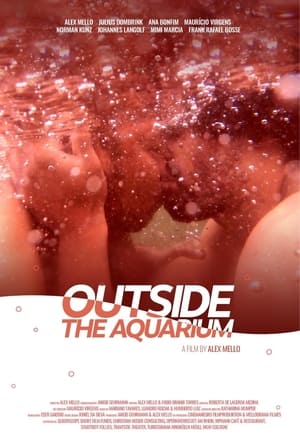
"Outside the Aquarium" is the new exhibition of protagonist Jonas. In his paintings he portrays his experiences as a black immigrant and part of the LGBT Community expressing his fears, loneliness and dreams for the future.
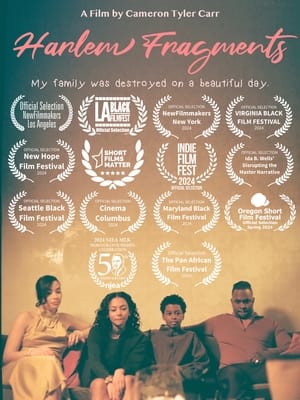
Harlem Fragments is an Afro-futurist scrapbook storytelling of a Harlem Black family's beautiful destruction during the 2008 recession. A natural disaster so mesmerizing you can't look away from the tragedy. Based on true events- The film explores the haunting societal pressures of achieving the Black American dream, told in the POV of 10 year old TJ revisiting his family's home that's up for sale. By empowering this Black boy in this film with the agency to imagine, TJ, through his own journey, finds a way to process and come to terms with his family's divorce. It's important for every Black child out there enduring the same foreign emotions to know that it's okay to feel them, and affirm that there is a future trajectory forward out of the initial destruction.
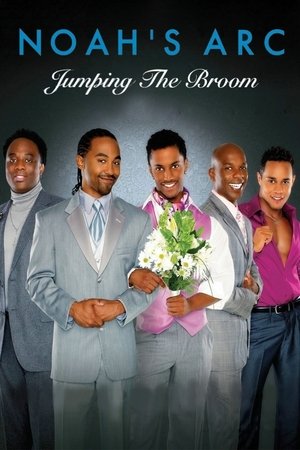
As Noah and Wade prepare to marry in Martha's Vineyard, the personal problems of their friends - and the unexpected arrival of rapper Baby Gat - threatens to permanently end their relationship.
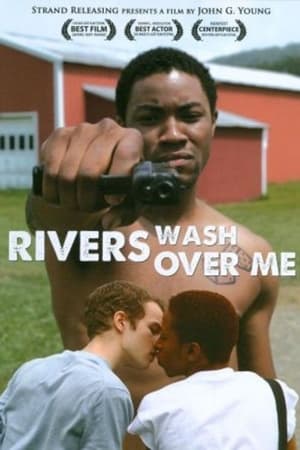
After his mother dies, Sequan, a sensitive teenager from Brooklyn, moves in with relatives living in a small town plagued with secrets hidden deep within its lush, rural Alabama terrain. Sequan finds refuge in a friendship with a troubled girl who astutely hones in on his true sexuality and introduces him to her cute brother.
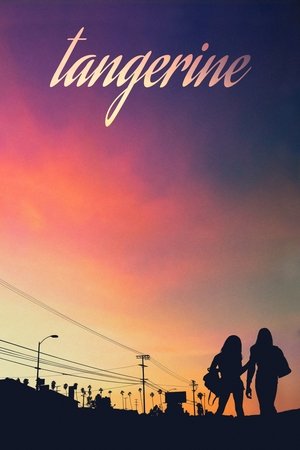
It's Christmas Eve in Tinseltown and Sin-Dee is back on the block. Upon hearing that her pimp boyfriend hasn't been faithful during the 28 days she was locked up, the working girl and her best friend, Alexandra, embark on a mission to get to the bottom of the scandalous rumor. Their rip-roaring odyssey leads them through various subcultures of Los Angeles, including an Armenian family dealing with their own repercussions of infidelity.
Two black non-heterosexual masculine leaning men attempt to escape their sexuality.
A campus culture war between Blacks and whites at a predominantly white Ivy League college comes to a head when the staff of a satirical magazine stages an offensive Halloween party.
Ulysses is a shy and effeminate boy who finds himself coping with new responsibilities as man of the house after the death of his father. Living alongside his mother, younger brother, and conservative aunt, Ulysses is also struggling with questions about his gender identity. He finds an escape by creating a world of fantasy filled with dance and music. Ulysses' journey takes a turn for the better when he finds a vibrant transgender community.
"Pajubá" is a language created by black LGBTs as a mode of resistance. Given this, the present short film seeks to rescue the reality of people who experience in their own skin the strength of intersectionality between race, gender and sexuality in the São Francisco Valley region.
Ninguém Precisa Saber Disso
Duke Ellington plays hot jazz in a fictional story that finds him down on his luck; he tries in vain to dissuade his friend, dancer Fredi Washington, from working with heart trouble even though it means work for his band. Sure enough, she collapses on stage...
Harlem, 1926. A “sweetman” Zeddy, living off a woman, brings a country girl he’s trying to impress to a gay-owned cabaret. There he meets a friend, Jake, whose girlfriend, Congo Rose, is the singer there. Drama swirls around the characters as Zeddy confronts the cabaret owner, about his sexuality. Congo Rose, seeking to reignite her man’s fading interest, puts on a performance, with her Pansy Dancer, of a Bessie Smith song that seduces the whole room, especially Zeddy.