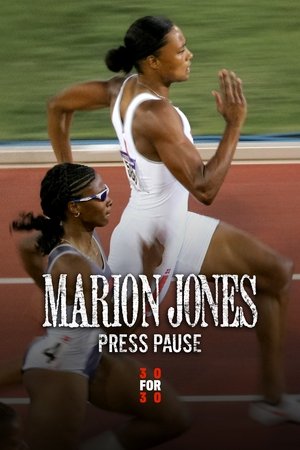
Few athletes in Olympic history have reached such heights and depths as Marion Jones. After starring at the University of North Carolina and winning gold at the 1997 and '99 World Track and Field Championships, her rise to the top culminated at the 2000 Summer Games in Sydney, Australia. There, she captivated the world with her beauty, style and athletic dominance, sprinting and jumping to three gold medals and two bronze. Eventually, though, her accomplishments and her reputation would be tarnished. For years, Jones denied the increasing speculation that she used performance-enhancing drugs. But in October 2007, she finally admitted what so many had long suspected -- that she had indeed used steroids. Jones was sentenced to six months in prison for lying to federal investigators and soon saw her Olympic achievements disqualified. Now a free woman, Jones is running in a new direction in life and taking time to reflect.
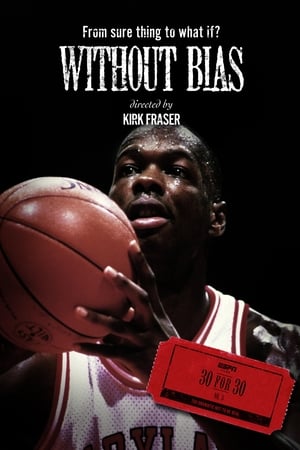
The late Len Bias still leaves more questions than answers. When Bias dropped dead two days after the 1986 NBA Draft, he forever altered our perception of casual drug use and became the tipping point of America's drug crisis in the mid-80's. Future generations continue to face the harsh punishment of drug policies that were influenced by the public outcry after his heartbreaking death. Instead of becoming an NBA star, he became a one-man deterrent, the athlete who reminded everyone just how dangerous drug use can be. Amazingly, questions still linger about his death nearly a quarter-century later. How good could he have been in the pro ranks? Has he become underrated or overrated as the years pass? How could a University of Maryland superstar and Boston Celtics lottery pick be derailed by a cocaine binge? Was Bias a one-time user as we were led to believe, or was there a pattern of recreational use that led to his fatal last night? Did he fall in with the wrong crowd.
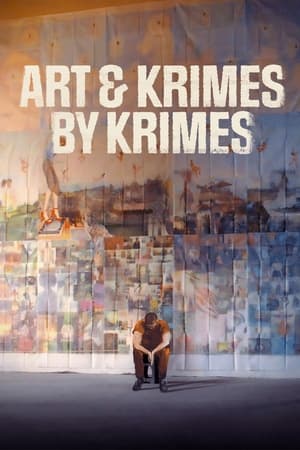
While locked-up for six years in federal prison, artist Jesse Krimes secretly creates monumental works of art—including an astonishing 40-foot mural made with prison bed sheets, hair gel, and newspaper. He smuggles out each panel piece-by-piece with the help of fellow artists, only seeing the mural in totality upon coming home. As Jesse's work captures the art world's attention, he struggles to adjust to life outside, living with the threat that any misstep will trigger a life sentence.
Hollywood is a town of tinsel and glamour; but there is another Hollywood, a place where maverick independent exploitation filmmakers went toe to toe with the big guys and came out on top.
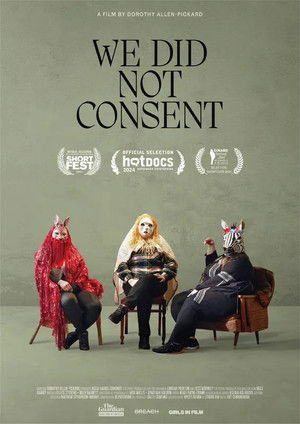
For over 50 years, British undercover police officers have infiltrated activist groups, specifically targeting and manipulating women, forming romantic relationships and even having children with them. Now, three women don animal masks and revisit scenes from their past as animal-rights activists who were taken advantage of by spycops in order to reclaim their power, agency and narrative.
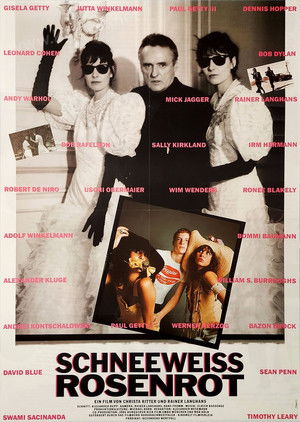
Documentary about the twin sister Jutta and Gisela Schmidt. In the late sixties the two women rebelled against middle class society as if they gave vent to a new kind of art. They became active in the underground communist party KPD and showed a heart-felt interest in the colour red, the aesthetics of the revolution. Soon, though, the twins quit their experiments in Germany. They left their husbands and went to Rome, where they met the fabulously wealthy Paul Getty III, and soon things got really out of hand.
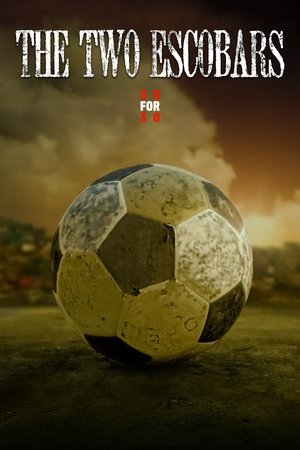
Pablo Escobar was the richest, most powerful drug kingpin in the world, ruling the Medellin Cartel with an iron fist. Andres Escobar was the biggest soccer star in Colombia. The two were not related, but their fates were inextricably-and fatally-intertwined. Pablo's drug money had turned Andres' national team into South American champions, favored to win the 1994 World Cup in Los Angeles. It was there, in a game against the U.S., that Andres committed one of the most shocking mistakes in soccer history, scoring an "own goal" that eliminated his team from the competition and ultimately cost him his life. The Two Escobars is a riveting examination of the intersection of sports, crime, and politics.
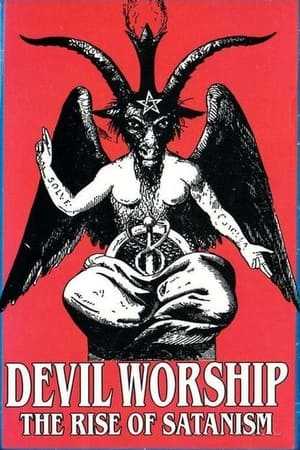
An epidemic of ritual abuse of children from infants to teenagers is sweeping through the country. According to recent TV and radio broadcasts 2 million children a year are reported missing, many too young to be runaways and 5 thousand unidentifiable bodies of children are found each year in the US alone. "Devil Worship: The Rise of Satanism" takes you behind the scenes into actual black witchcraft and satanic rituals. Former Satanists, practicing witches and law enforcement experts explain the vastness and diversity of the movement. Experts tell why people join and how Satanists recruit their members as well as their victims. Parents are given clues to determine if their children are involved. Most importantly, dangerous doorways into the occult are exposed.
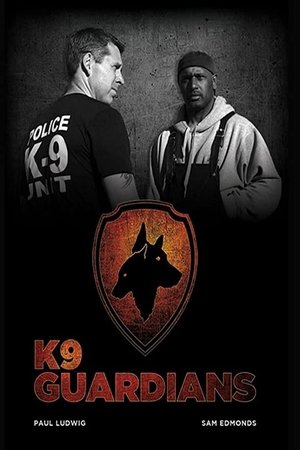
Paul Ludwig, a K9 police officer and handler himself, was nearly killed when a K9 failed on the street. Sam Edmonds, a decoy//trainer hybrid has been taking bites on the arms and legs while learning from the best of the best over the last 10 years. They joined together to start training and producing some of the toughest K9's in the world while shedding light on an unsettling situation: most working dogs are extremely ill-prepared and under-trained for the reality of our world today. A situation that has led to canine and officer deaths in the past. They talk to several other K9 trainers and officers, hear their stories, meet their partners, and follow their dogs through the training process and back into the streets to protect our communities.
Pé de Pato: As (in)Justiças de um Cidadão Comum
Fútbol Violencia S.A.
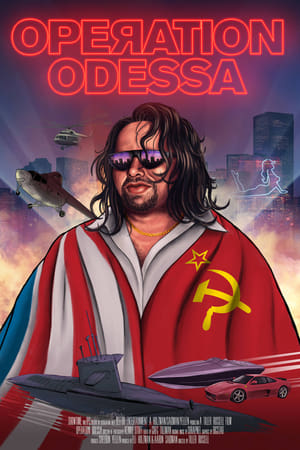
The stranger-than-fiction true story of a Russian mobster, a Miami playboy, and a Cuban spy who teamed up in the early '90s to sell a Soviet submarine to the Cali Cartel.
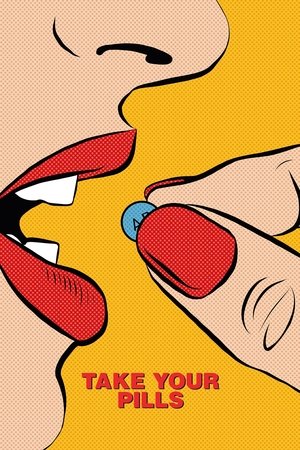
In a hypercompetitive world, drugs like Adderall offer students, athletes, coders and others a way to do more -- faster and better. But at what cost?
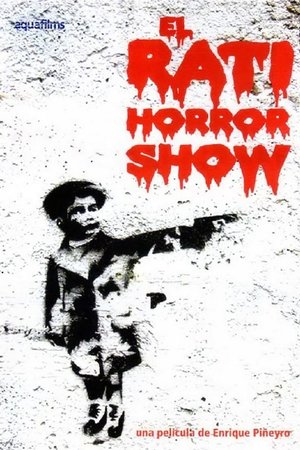
"El Rati Horror Show" is a documentary that portrays the dramatic story of Fernando Ariel Carrera, the case of an ordinary man wrongly sentenced to thirty years in prison - not by mistake but deliberately - through the manipulation of a judicial case in Argentina. The film takes as its central point the way in which Fernando Carrera's case was fabricated: the manipulation and alteration of evidence at the scene of the crime; the manipulation of all national media by Rubén Maugeri, key witness to the events and president of the Association of Friends of Commissary 34. On the other hand, it shows how Fernando Carrera leads his daily life in prison.
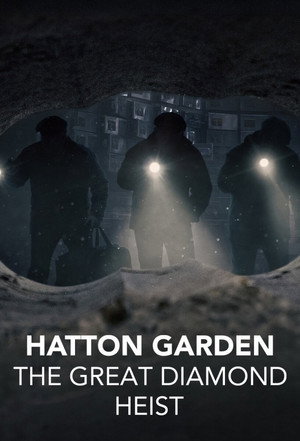
In 2015, a gang of ageing criminals pulled off an audacious multi-million-pound heist in London’s Hatton Garden diamond district. What happened next? And where are the stolen millions?
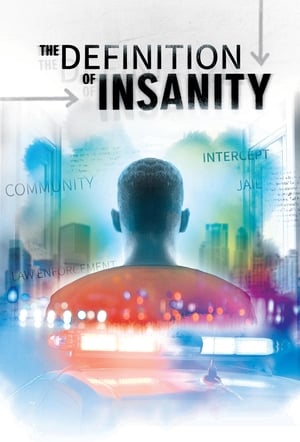
The Miami-Dade Community Mental Health Project comes to life in this documentary, following a team of dedicated public servants working through the courts to steer people with mental illness on a path from incarceration to recovery.
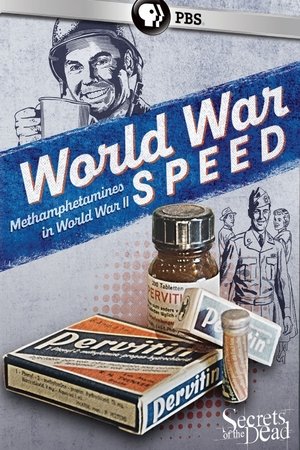
It’s long been known that German soldiers used a methamphetamine called Pervitin during WWII. But have tales of Nazis on speed obscured the massive use of stimulants by British and American troops? Did total war unleash the world’s first pharmacological arms race? And in the face of industrial slaughter, what role did drugs play in combat? Historian James Holland is on a quest to dig deeper and unearth the truth behind 'World War Speed'.
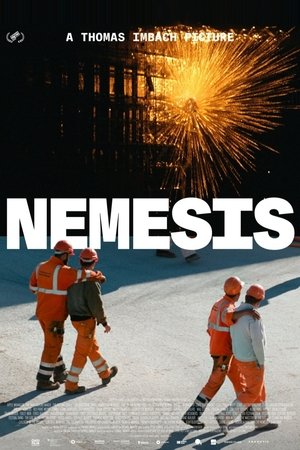
The film explores the destruction of a unique train station in Zurich and the construction of the new prison and police centre in its place. From the perspective of the filmmaker’s window, and with testimony from prisoners awaiting deportation, the film probes how we deal with the extinction of history and its replacement with total security.
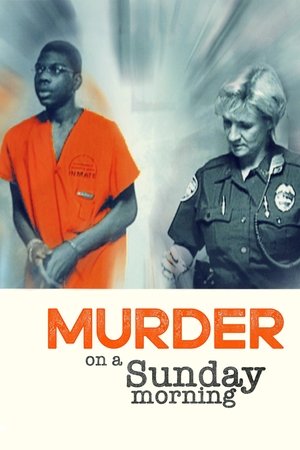
2001 French documentary about the murder trial of a 15 year old black teen accused of murder in Jacksonville, Florida. Winner of 2002 Academy Award for Best Documentary.
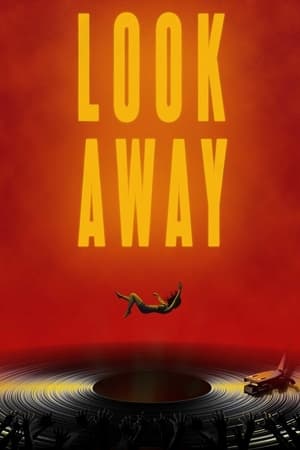
Interviews from women involved in the 70's and 80's rock music industry. An examination of the people taking advantage of underage fans and calling for a "Me too" movement in the music world