Four lives that could not be more different and a single passion that unites them: the unconditional love for their cinemas, somewhere at the end of the world. Comrades in Dreams brings together six cinema makers from North Korea, America, India and Africa and follows their efforts to make their audiences dream every night.
Documentary about the legendary American film director from his introduction to the film industry in its early years to his death in 1959.
Omnibus: François Truffaut
Eva Ebner is a Berliner who gives the appearance of being rather eccentric. She knows the film business inside out – regardless of whether she’s work- ing behind the camera as an assistant director or in front of it as an actor. Her name is closely associated with a series of now-legendary adaptations of Edgar Wallace’s crime novels which were made in Germany during the 1960s. Upcoming young directors from local film schools have also profited from Ms. Ebner’s unbroken enthusiasm and passion for film. However, this eighty-year-old has a more than broken relationship to the events of her childhood and youth in Gdansk – a time when her life was characterised by an anti-Semitic step-mother and the dangers posed by the Nazi regime. This film portrait does not eschew any of the long dark shadows of that era, nor does it sidestep any friction between portrayer and his subject. (Lothar Lambert)
A 60-minute salute to American International Pictures. Entertainment lawyer Samuel Z. Arkoff founded AIP (then called American Releasing Corporation) on a $3000 loan in 1954 with his partner, James H. Nicholson, a former West Coast exhibitor and distributor. The company made its mark by targeting teenagers with quickly produced films that exploited subjects mainstream films were reluctant to tackle.
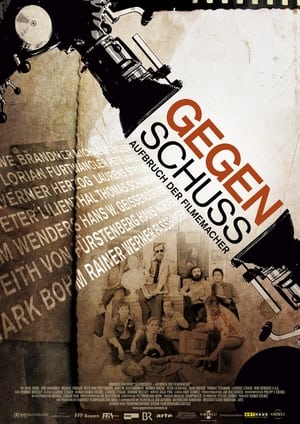
Documentary about filmmakers of the New German Cinema who were members of the legendary Filmverlag für Autoren (Film Publishing House for Authors). Among them are Werner Herzog, Rainer Werner Fassbinder, and Wim Wenders.
More than anyone in the cynical film industry, legendary artist Robert Redford embodies the United States' brightest side: perseverance, independence, idealism, and integrity. A champion of active environmentalism and the right to openly criticize any institutional abuse, he has put his artistic work at the service of his political commitments, whether as an actor, director, producer, or founder of the Sundance Festival, a formidable forum for his struggles since 1985.
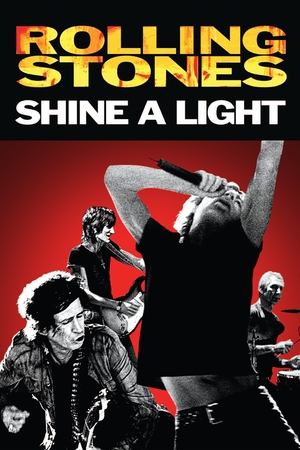
Martin Scorsese’s electrifying concert documentary captures The Rolling Stones live at New York’s Beacon Theatre during their A Bigger Bang tour. Filmed over two nights in 2006 with an all-star team of cinematographers, the film combines dynamic performances with archival footage and rare glimpses behind the scenes, offering a vibrant portrait of the band’s enduring energy and legacy.
This is not merely another film about cinema history; it is a film about the love of cinema, a journey of discovery through over a century of German film history. Ten people working in film today remember their favourite films of yesteryear.
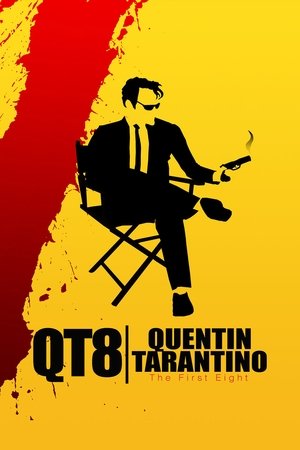
A documentary on the director’s career, featuring interviews with friends, collaborators, and filmmakers.
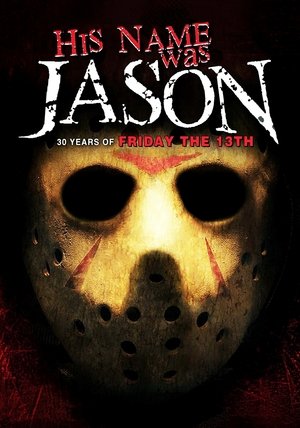
This historical and critical look at slasher films, which includes dozens of clips, begins with Halloween, Friday the 13th, and Prom Night. The films' directors, writers, producers, and special effects creators comment on the films' making and success. During the Reagan years, the films get gorier, budgets get smaller, and their appeal wanes. Then, Nightmare on Elm Street revives the genre. Jump to the late 90s, when Scream brings humor and TV stars into the mix.
In 1967, Canadian documentarian James Beveridge traveled to Kolkata to film director Satyajit Ray at work. The resulting program, produced for the American public television series “The Creative Person,” features interviews with Ray, several of his actors and crew members, and film critic Chidananda Das Gupta.
Documentary about the making of Powell and Pressburger's 1947 film "Black Narcissus."
A concise television portrait of Wes Anderson, observing the filmmaker at work and reflecting on his creative process, influences, and approach to directing during the early phase of his career.
An exploration of the appeal of horror films, with interviews of many legendary directors in the genre.
Documentary about the making of Alexander Payne's 1999 film "Election" featuring on-set footage and interviews with cast and crew.
Documentary about the making of the 1948 British film, including interviews with members of the production team.
Documentary about the British film studio. First appeared on the BBC television programme Omnibus.
This short documentary from 2002, written by Jacques Tati scholar Stéphane Goudet and featuring rare archival footage, explores the genesis of the director’s hugely ambitious 1967 film production.
Short documentary about the making of the 1987 film.