Otto Siffling - Eine Fußball-Legende wird 100 (2012)
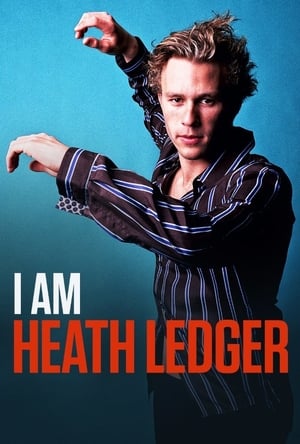
The life and career of an actor, artist, and icon. His own journey through his own camera.
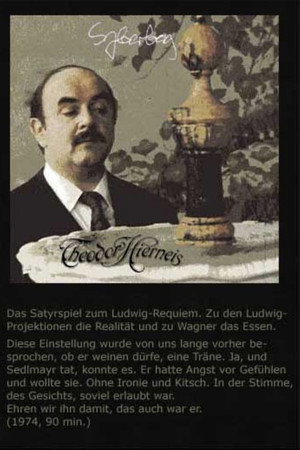
The film consists of a monologue performed by Walter Sedlmayr, who plays Theodor Hierneis, the chef at the court of Ludwig II of Bavaria. The screenplay was written by Syberberg and Sedlmayr and is based on the memoirs of Hierneis.
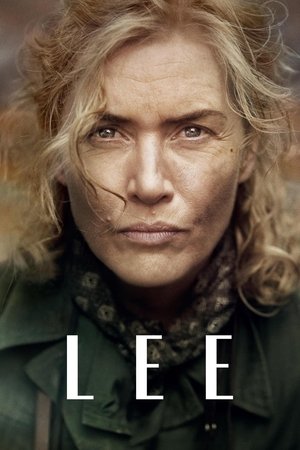
The true story of photographer Elizabeth "Lee" Miller, a fashion model who became an acclaimed war correspondent for Vogue magazine during World War II.
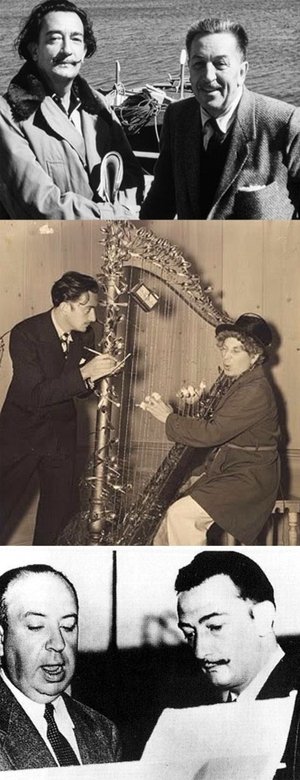
The Cinema According to Dalí
Octavio Ocampo is the creator of the metamorphic style painting technique, a technique of overlapping and juxtaposing realistic and figurative details within the images he creates. This is his story.
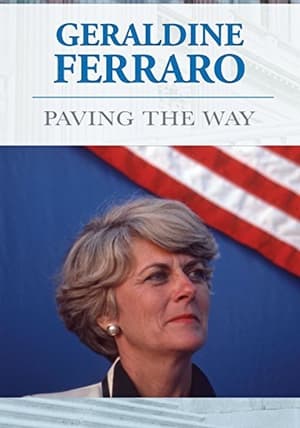
A documentary by Donna Zaccaro about the political trailblazer, Geralidine Ferraro. Featuring interviews with Bill and Hillary Clinton, George and Barbara Bush, Walter Mondale, and Geraldine Ferraro herself, among others, this is a heartwarming and engrossing portrait of the first woman who was nominated for vice president, whose legacy still reverberates today.
A tribute to the cameramen of the newsreel companies and the service film units, in the form of a compilation of film of the cameramen themselves, their training and some of their most dramatic film.
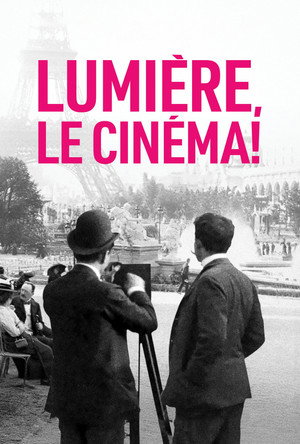
In one of those wonderful coincidences of history, lumière, the French word for “light,” was also the last name of brothers Auguste and Louis, whose brilliant invention, the cinematograph, helped to inaugurate the most beloved art form of the last 130 years. Institute Lumière director Thierry Frémaux uses Lumière, Le Cinema! to guide the viewer through over a hundred shorts—some famous, some forgotten, some never before seen—directed by Lumière and company. In the process, Frémaux illuminates how the brothers employed the camera as a creative instrument as they (and their operators) mastered framing, staging, and subject selection for quotidian and exotic microdocumentaries as well as the first ever fictional motion pictures. The result is not only a glorious re(telling) of the genesis of cinema but a profound meditation on the beautiful world captured—and the mysterious world imagined—by the Lumières.
The life of Stephen Foster, composer who was the influence for the early Minstrel shows.
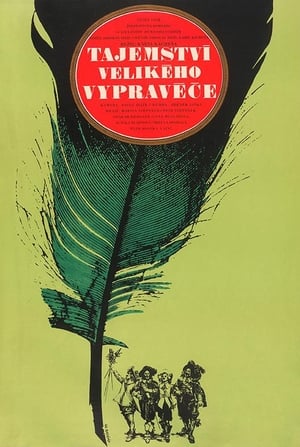
The life of the famous French writer Alexander Dumas the Elder. Screenwriter Jaroslav Dietl did not hide his admiration for this literary giant, and in addition to the screenplay he also wrote a three-part TV play about Dumas (starring Vladimír Menšík). In Kachyn's film, Dumas played the father and son of the Štěpánková brothers, and it was a very difficult and difficult task for these young actors.
For the first time, exclusive and never before heard audio diaries of legendary detective Lou Smit will reveal captivating insight into one of America's most notorious cold cases - the murder of 6-year-old pageant queen JonBenét Ramsey.
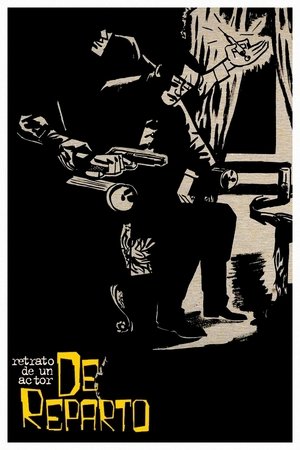
De reparto: retrato de un actor
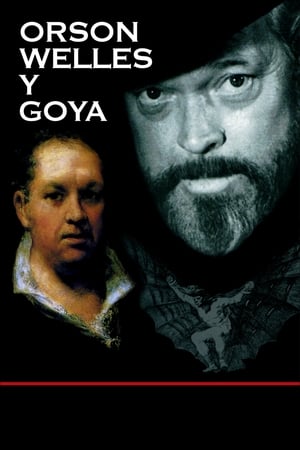
Orson Welles y Goya
In the whirlpool of WW2, two peaceful towns that have already tasted peace are once again attacked by the Germans. Casualties are high, but the dream of a boy and a girl about their liberated towns cannot be destroyed.
Arne Sucksdorff: Uma Vida Documentando a Vida
Documentary about the life and career of Vittorio Mezzogiorno through the voice of his daughter Giovanna.
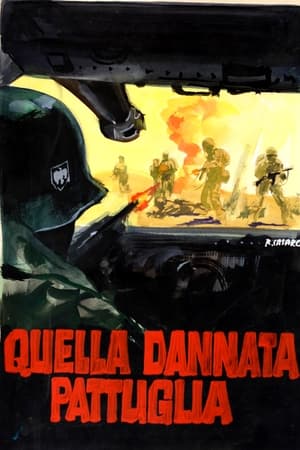
A small band of misfit American commandos are assigned to head across the North African desert to blow up a huge German fuel depot.
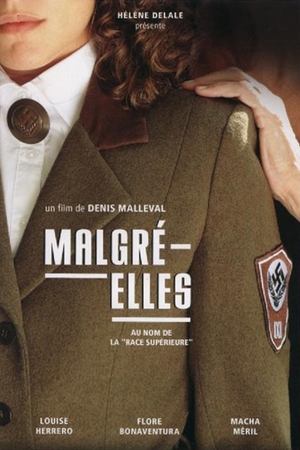
Two beautiful and different girls, Alice and Lisette are 17 years old, when forcibly removed from their Alsatian family to cooperate in the war effort in Germany. After spending six months in a indoctrination camp, they are both sent to a munitions factory where they are tasked to perform inhuman works. An explosion erupts, they are suspected of sabotage and threatened with being sent to a boot camp. Alice and Lisette believe they saved when transferred to a maternity where they continue living the hell of war.
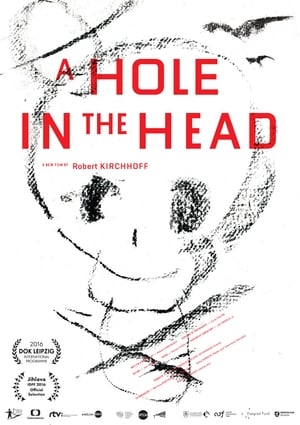
A pig farm in Lety, South Bohemia would make an ideal monument to collaboration and indifference, says writer and journalist Markus Pape. Most of those appearing in this documentary filmed in Slovakia, the Czech Republic, Poland, France, Germany and Croatia have personal experience of the indifference to the genocide of the Roma. Many of them experienced the Holocaust as children, and their distorted memories have earned them distrust and ridicule. Continuing racism and anti-Roma sentiment is illustrated among other matters by how contemporary society looks after the locations where the murders occurred. However, this documentary film essay focuses mainly on the survivors, who share with viewers their indelible traumas, their "hole in the head".