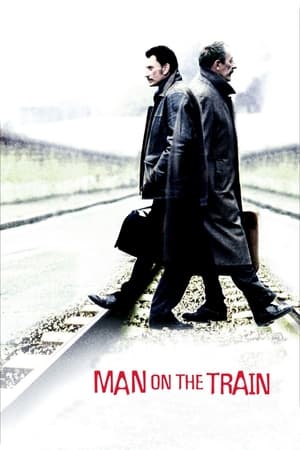
A man, Milan steps off a train, into a small French village. As he waits for the day when he will rob the town bank, he runs into an old retired poetry teacher named M. Manesquier. The two men strike up a strange friendship and explore the road not taken, each wanting to live the other's life.
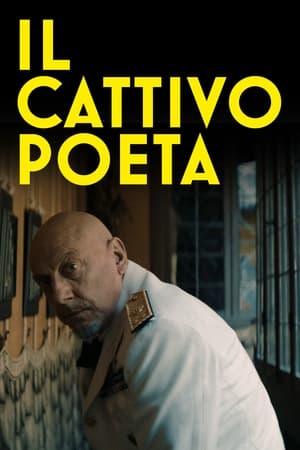
1936. Giovanni Comini, the youngest Federal in Fascist Italy, is summoned to Rome for a delicate mission: to surveil aging national poet Gabriele D'Annunzio, whose increasingly restless behavior Mussolini fears could damage his alliance with Nazi Germany. However, after spending time with D'Annunzio, Comini finds himself torn between loyalty to the Party and his fascination with the poet, who will put his burgeoning career at risk.
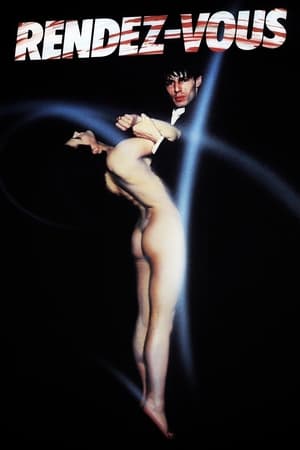
Nina is a young, carefree actress who arrives in Paris searching for her big break. There, she finds drama both on- and offstage as she becomes involved with three men: a mild-mannered real-estate agent who offers her stability, a bad-boy actor who lives dangerously on the edge, and an intense theater director who casts her in a production of “Romeo and Juliet.” As opening night approaches, the emotional extremes of Nina’s love life fuel her art.
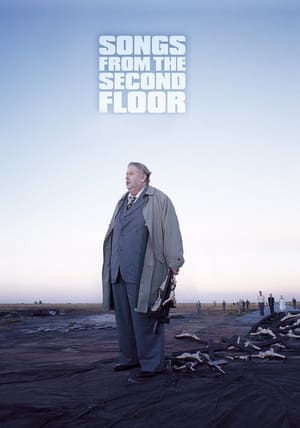
A monumental traffic jam serves as the backdrop for the lives of the inhabitants of a Swedish city.
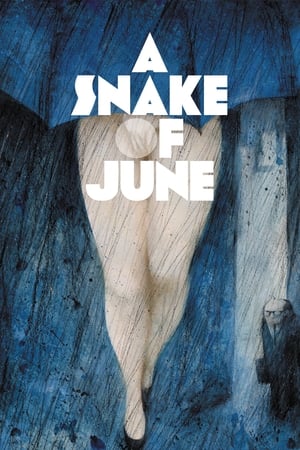
Rinko, a woman in a sexless marriage, is blackmailed by a stalker with intimate photos, forcing her into a series of erotic acts that disrupt her mundane life.
Yeong-in, an editor, poetry student, and deaf person, attends a public reading of a poetry collection she has edited. Yeong-in records the poet's reading.
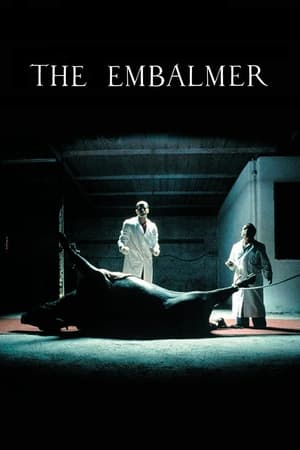
Peppino, a diminutive taxidermist with a reputation for sleaziness, meets Valerio, a handsome if artless much younger man fascinated by the trade. Peppino offers him a large salary to be his assistant—the job burgeoning into a budding friendship he mistakes for something more. When Valerio gets a girlfriend, their fledgling romance will be threatened by an insanely jealous third wheel.
The young Friedrich Schiller begins his life as a poet with a dramatic escape. After the sensational success of his first drama "The Robbers", he deserts from the Duke's army. At the Mannheim Court and National Theatre, he initially receives a friendly reception, but his new play "Fiesko" is not well received by the artistic director Dalberg. In the successful actor and author August Wilhelm Iffland, Schiller finds a strong competitor for the position of in-house playwright and vies with him for the love of the same woman. The young poet's situation becomes increasingly precarious; he has no money, suffers from hunger and falls seriously ill. Nevertheless, he works feverishly for recognition and success with no regard for his own health.
Germany in the autumn of 1957: Lola, a seductive cabaret singer-prostitute exults in her power as a temptress of men, but she wants out—she wants money, property, and love. Pitting a corrupt building contractor against the new straight-arrow building commissioner, Lola launches an outrageous plan to elevate herself in a world where everything, and everyone, is for sale. Shot in childlike candy colors, Fassbinder’s homage to Josef von Sternberg’s classic The Blue Angel stands as a satiric tribute to capitalism.
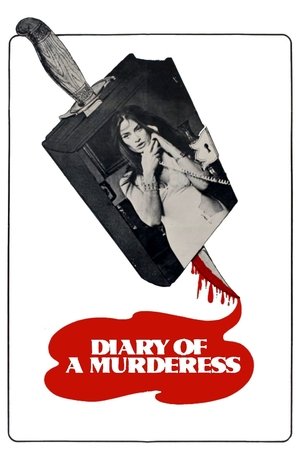
A beautiful young woman sets her sights on an aging millionaire. She seduces him, and moves into his mansion with him. She soon tires of him, though, and after she gets rid of him, she goes after his son.
Semi-fictitious biopic of Finnish poet Eino Leino, made with a large budget to celebrate the 100th anniversary of his birth. The film concentrates on his relationships with first wife Freya Schoultz and later muse, poetess L. Onerva. His friends include equally central figures of the Finnish cultural scene in the early 1900s, such as painters Halonen and Gallén-Kallela, and composer Sibelius.
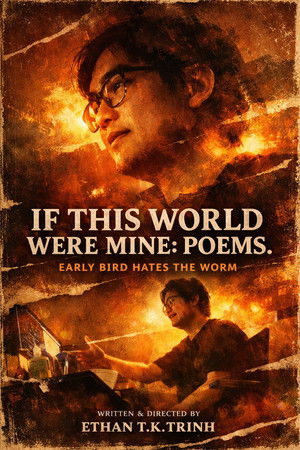
If This World Were Mine: Poems is an intimate, cinematic short film adaptation of a layered poetic journey—a visual meditation on identity, introspection, and the internal landscapes we navigate as we grow. The film blends voice-over narration, evocative imagery, and reflective monologue to bring the emotional and thematic currents of the poetry to life.
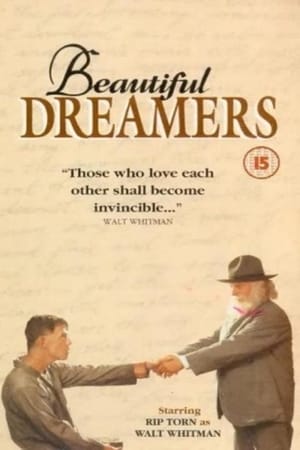
When the superintendent of the Canadian insane asylum, Dr. Maurice Bucke, meets poet Walt Whitman, his life and that of his wife and patients is radically changed. Like Dr. Bucke, Whitman has avant-garde ideas on the subject of mental illness. "Dreamers" is based on true events. Dr. Bucke became an important biographer of Walt Whitman.
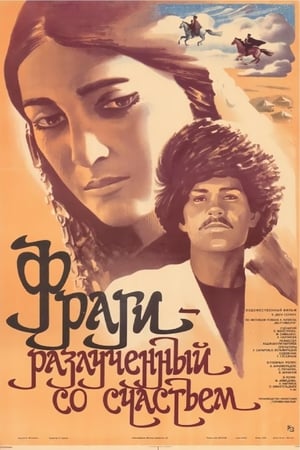
Biopic about legendary Turkmen philosopher and poet, Makhtoumkuli, who was also known as Fragi.
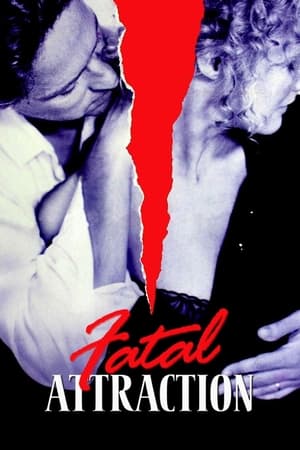
A married man's one-night stand comes back to haunt him when that lover begins to stalk him and his family.
The sensuous wife of a lunch wagon proprietor and a rootless drifter begin a sordidly steamy affair and conspire to murder her Greek husband.
In 1818, high-spirited young Fanny Brawne finds herself increasingly intrigued by the handsome but aloof poet John Keats, who lives next door to her family friends the Dilkes. After reading a book of his poetry, she finds herself even more drawn to the taciturn Keats. Although he agrees to teach her about poetry, Keats cannot act on his reciprocated feelings for Fanny, since as a struggling poet he has no money to support a wife.
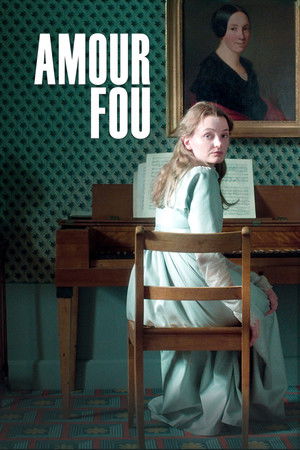
Heinrich wishes to conquer death through love, and when he meets Henriette, the wife of a business acquaintance, she expresses interest in a suicide pact when she learns she has a terminal illness.
When an elderly millionaire is found dead with cocaine in his system, his will leaves $8 million to Rebecca Carlson, who was having an affair with him. District attorney Robert Garrett decides to prosecute Rebecca, arguing that she deliberately engaged in wild sex with the old man to overexcite him and lead to his premature death. Defense attorney Frank Dulaney defends Rebecca in court while getting sucked into a dangerous affair with her.
A posthumous look at the last days of Guenther's life as he, his best friend, and his sister let loose on a four-day binge of alcohol, drugs, and sex.