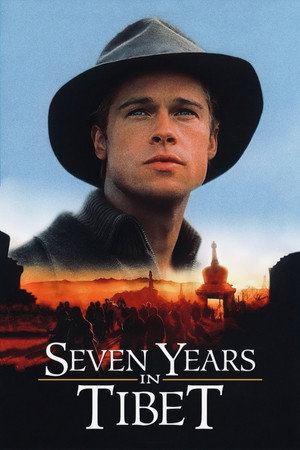
Austrian mountaineer Heinrich Harrer journeys to the Himalayas without his family to head an expedition in 1939. But when World War II breaks out, the arrogant Harrer falls into Allied forces' hands as a prisoner of war. He escapes with a fellow detainee and makes his way to Lhasa, Tibet, where he meets the 14-year-old Dalai Lama, whose friendship ultimately transforms his outlook on life.
A British spy ship has sunk and on board was a hi-tech encryption device. James Bond is sent to find the device that holds British launching instructions before the enemy Soviets get to it first.
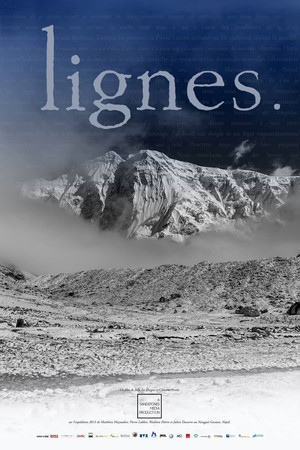
Lignes chronicles the sublime interplay between alpine literature and an expedition seeking the true meaning of mountaineering. Four high-mountain guides—Matthieu Maynadier, Pierre Labbre, Matthieu Détrie, and Julien Dusserre—embark on a project: to summit Nangpai-Gosum, an unclimbed 7,000-meter peak in Nepal, using the "alpine style" adapted to the Himalayas—the toughest and purest approach of all. Through this expedition, Lignes attempts to answer the question: "Why do we climb mountains?" Why, despite the harsh conditions and exhaustion, do these four Alpine guides pursue a perilous dream in a realm that belongs to no one? Lignes finds some answers in the past, drawing on 150 years of alpine literature. Serving as both narrator and seasoned guide, Raymond Renaud takes us on a tour of his books and speaks of the "conquerors of the useless"—from the turn of the century to the present day.
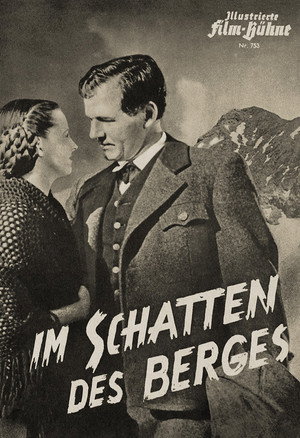
In a village near a deadly mountain ascent the people repeatedly have to help climbers in danger who didn't make it to the top, in fact nobody made it yet up there. Hansi Knoteck can't stand anymore the danger after a member of the rescue party dies and demands from Attila Hörbiger that he steps back from participating in his rescue efforts. Finally he relents but the villagers ostracize them. In the meantime Winnie Markus tries to seduce Richard Häußler who makes the life for his wife Viktoria von Ballasko a hell through his infidelities.
Reinhold Messner - The Fifteenth 8000er
The Great North Faces of the Alps: Matterhorn
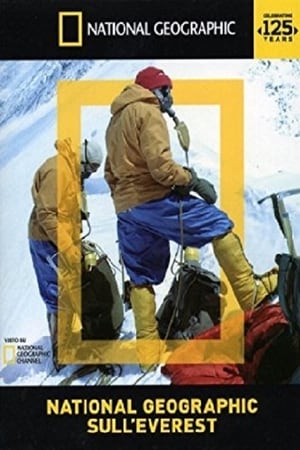
National Geographic sull'Everest
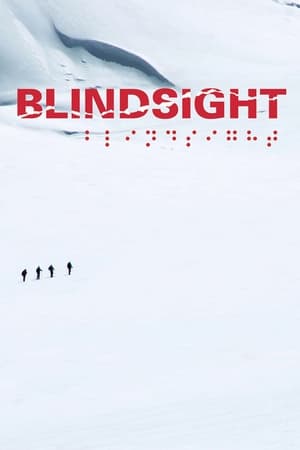
Six blind Tibetan teenagers climb the Lhakpa-Ri peak of Mount Everest, led by seven-summit blind mountain-climber Erik Weihenmayer.
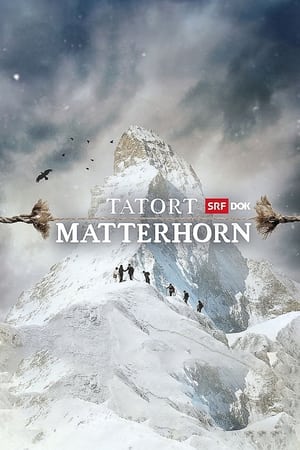
The first ascent of the Matterhorn was made on July 14, 1865 by Edward Whymper, Francis Douglas, Charles Hudson, Douglas Hadow, Michel Croz and two guides from Zermatt, Peter Taugwalder father and son. Douglas, Hudson, Hadow and Croz are killed on the descent after Hadow slips and drags the other three men down the north face. Whymper and the two Taugwalders, who survive, are later accused of having cut the rope that connected them to the rest of the group so as not to be dragged into the fall, but the ensuing investigation finds no evidence of their guilt and they are acquitted. The Matterhorn is the last great peak in the Alps to be conquered and its ascent marks the end of the golden age of mountaineering. One hundred and fifty years later, a team undertakes the same expedition in order to unravel the mystery.
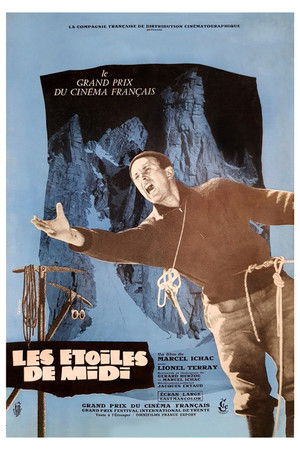
Les Etoiles de Midi is an engaging docudrama about some of the more spectacular exploits of French mountain climbers over the last several decades. In one re-enacted story, there is a wartime escape through the mountains, and in another, a daring rescue of a pair of climbers who had been missing. The actors themselves are adept at the sport of climbing, and they give the scenes an immediacy and real daring that brings the stories alive. A combination of their acrobatics and skill and the outstanding episodes in the history of French climbing creates a winning 78 minutes.
The protagonist is called Daphne, a young woman determined to escape from the metropolitan greyness and its ghosts, to go for a run in the green among the woods. She chooses the Abruzzo region, which meets her expectations above all from a naturalistic point of view, but during an excursion she ends up getting lost in the woods of the Majella. From here starts the story of how you try to survive, completely alone, until the experience becomes something else for her, a moment of transformation and catharsis, triggered by the mythical and spiritual inspiration of the nature she is encountering, and it will forever change the way you perceive yourself and the world.
27-year-old German alpinist Jost Kobusch wants to climb Everest, alone, without oxygen and in Winter, when the roof of the world is deserted.
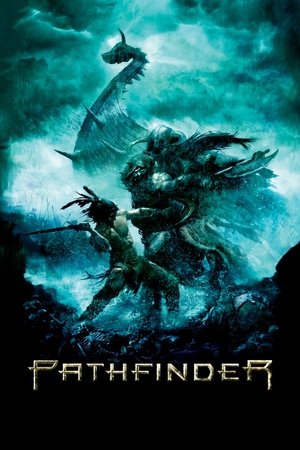
A Viking boy is left behind after his clan battles a Native American tribe. Raised within the tribe, he ultimately becomes their savior in a fight against the Norsemen.
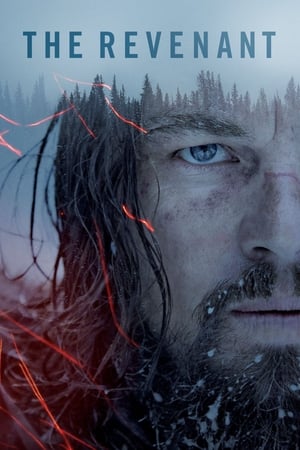
In the 1820s, a frontiersman, Hugh Glass, sets out on a path of vengeance against those who left him for dead after a bear mauling.
In 1924, British climber George Mallory and his partner Andrew Irvine attempted to conquer Everest for the third time. They never returned. Could they have been the first to successfully climb the mountain before meeting their deaths? In 1999, German geologist Jochen Hemmleb discovered Mallory's body just below the summit, reigniting speculation. In 2010, he organized a new expedition to follow up on this sensational discovery. His goal: to find the base camp from which Mallory and Irvine set out to conquer the summit.
Portrait of Jean-Claude Droyer, a famous French climber and mountain guide. He is known for having participated in the rise of free climbing in France in the late 1970s. Trained at the climbing schools of Fontainebleau and Saussois, he distinguished himself in 1965 by solo climbing the Pentecôte route at Glandasse. He also made first ascents in the Verdon Gorges, winter ascents in the Prealps and the Mont Blanc massif, notably in 1971 the first solo ascent of the Directe Américaine on the west face of the Drus. The film was selected for the "Les Écrans Documentaires" festival in 2004.
Annapurna, premier 8000 à ski
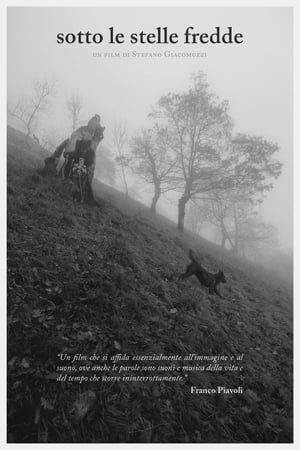
Set in the mountains of northeast Italy, this film may be considered an observational documentary about rural life. Although this is undeniably the case, at the same time Under the cold stars can hardly be considered a documentary: the microcosm on which it focuses appears to be a reflection of a broader reality and perhaps a way to deal with the themes of man’s existence and his relationship with animals, nature and, most importantly, with time. As written by Franco Piavoli "it is a film which essentially relies on images and sound, where words themselves are sound and the music of life, of the relentless flow of time."
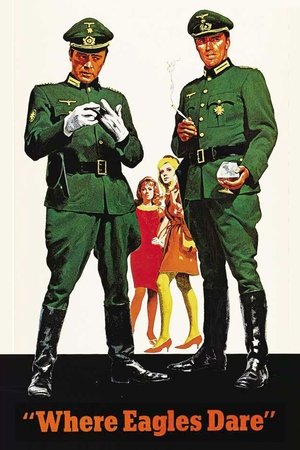
World War II is raging, and an American general has been captured and is being held hostage in the Schloss Adler, a Bavarian castle that's nearly impossible to breach. It's up to a group of skilled Allied soldiers to liberate the general before it's too late.
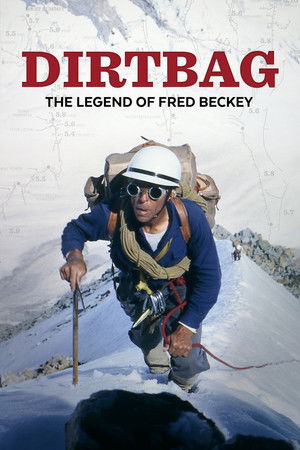
Fred Beckey is the legendary American "Dirtbag" mountaineer whose name is spoken in hushed tones around campfires. This rebel climber's pioneering ascents and lifestyle form an iconic legacy that continues to inspire generations.