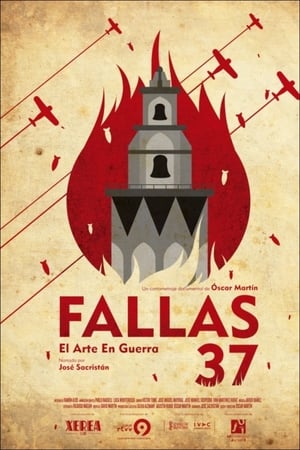
In November 1936, a few months since the beginning of the Spanish Civil War, the government of the Second Republic moves to Valencia. In this situation, several Valencian artists and intellectuals decide to build four fallas — satirical plasterboard sculptures created to be burnt — to mock fascism.
The carnage in Sarajevo provides the focus of this French documentary which seeks to call attention to the terrible conflict in the hopes of finally ending it. The film is divided into five parts. Each part covers a time frame ranging from April 4, 1992, the beginning of the war, to the present. The major issues that occur are three-fold. It depicts the systematic genocide of Bosnians, the silence of Western countries, and the determination of the Bosnians to resist. They refuse to be seen as victims, even though the filmmakers portray them so. Also included are the origins and political aspects of the war. It offers interviews with participants. It also reveals how the U.S. State Department censored reports about Serbian death camps.
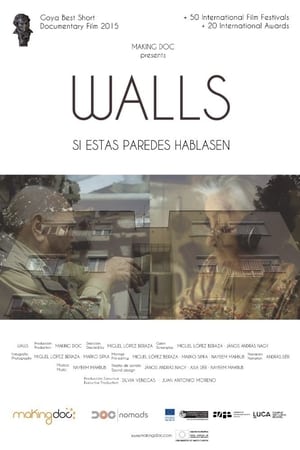
A day in the life of Mr. Istvan and Ms. Magdi, neighbors for many years, is narrated by the building of Budapest where both live. The walls surrounding them reveal their small passions, stories and routines.
The Russians Machine
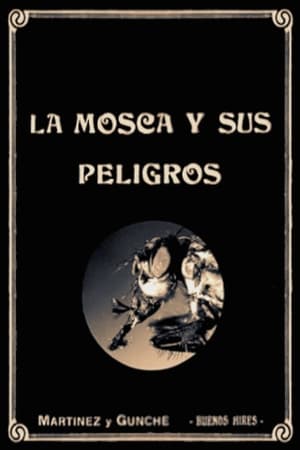
The Dangers of the Fly is an educational film made by Ernesto Gunche and Eduardo Martínez de la Pera, also responsible for Gaucho Nobility (1915), the biggest blockbuster of Argentinean silent cinema. De la Pera was a talented photographer, always willing to try new gadgets and techniques. This film experiments with microphotography in the style of Jean Comandon's films for Pathé and it is part of a series which included a film about mosquitoes and paludism and another one about cancer, which are considered lost. Flies were a popular subject of silent films and there are more than a dozen titles featuring them in the teens and early twenties.
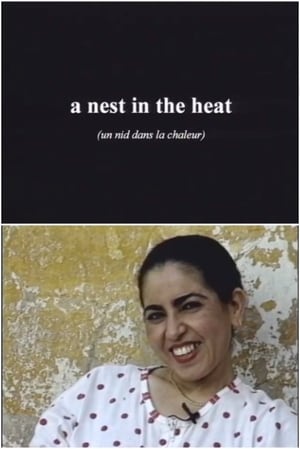
As director Hakim Belabbes chronicles his journey from his home in Chicago to visit his family in his hometown of Boujad in Morocco, his exploration of family relationships is self-conscious and at times painfully honest. We witness his most private moments with his family. The film intimately explores the domestic spaces and religious rituals of intra-family relationships, especially when compounded by one member's break with traditional values.
Oxígeno para vivir
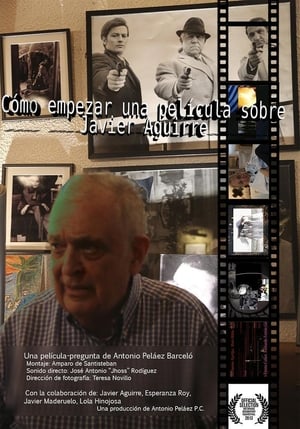
Cómo empezar una película sobre Javier Aguirre
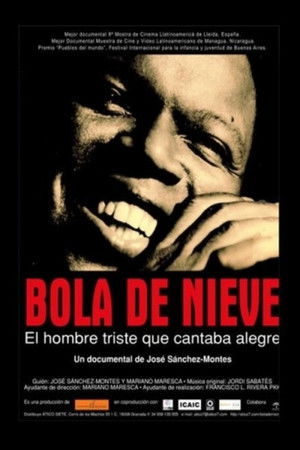
Documentarian Jose Sanchez-Montes turns his attention towards the late Cuban musician Ignacio Villa, known throughout the world as Bola de Nieve (Snowball), with this 2003 biographical documentary entitled simply Bola de Nieve. A master pianist, Bola de Nieve was a mainstay through the middle portion of the 20th century, with his music almost omnipresent in South America cinema throughout those formative decades. With Bola de Nieve's famous statement "I'm a sad person, but my songs sound happy" in mind, Sanchez-Montes also looks at the influence of the musician's African heritage and homosexuality upon Bola de Nieve's unique musical style.
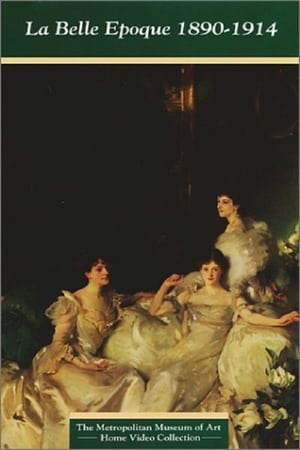
Featuring Douglas Fairbanks Jr. and Diana Vreeland, La Belle Epoque evokes "the beautiful era" of 1890-1914, a time in which the wealthy upper classes of the Western world gave themselves over to a life of elegance and taste-making, their eyes closed to the increasing social and political turmoil fermenting beneath the surface of polite society. The program uses period motion pictures, photographs, and sound recordings, as well as the arts and fashions of the period to supplement the spoken memories of the participating interviewees who actually lived... La Belle Epoque.
The Black Panther star uncovers the astounding true story of the Agoji, Benin’s female army – or as Europeans labeled them, the 'Amazons – then finds the last warrior left alive.
In 1928, Lady Heath became the first person to fly solo from Cape Town to London. Eighty-five years later, Tracey Curtis-Taylor set out in a vintage biplane to fly that adventure again. Following Tracey as she retraces the journey, The Aviatrix is more than just a film about the rapture of flying – it’s a story about living life on your own terms and having the courage and determination to realise your greatest dreams.
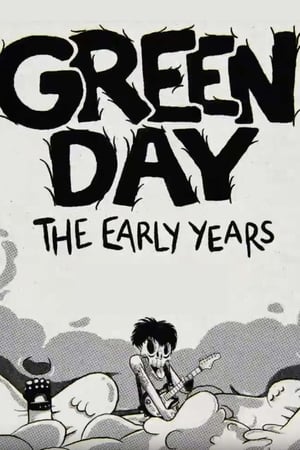
"Green Day: The Early Years" chronicles the rise of the world's most influential punk band, from their origins playing shows at Berkley's notorious Gilman Street venue in the late 80s, through the release of the platinum-selling Dookie in 1994.
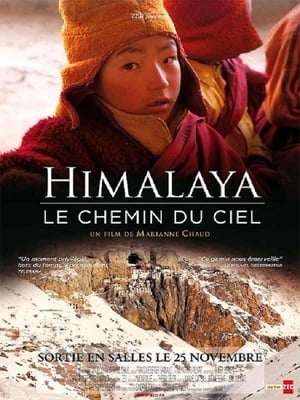
Directed by Marianne Chaud
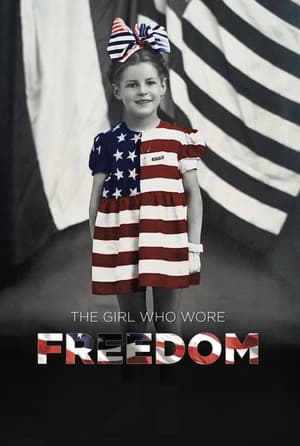
Discover the untold stories of D-Day from the men, women and children who lived through German occupation and Allied liberation of Normandy, France. Powerful and deeply personal, THE GIRL WHO WORE FREEDOM tells the stories of an America that lived its values, instilling pride in a country that's in danger of becoming a relic of the past.
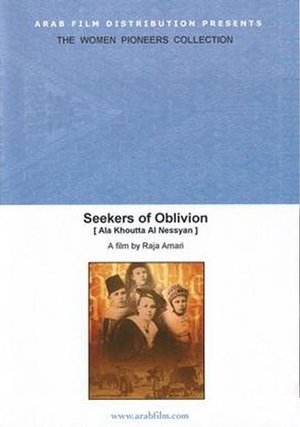
Seekers of Oblivion explores the exciting life and adventures of Isabelle Eberhardt. Born in Geneva, Switzerland in 1877, Isabelle left Europe for North Africa at a young age. While there, she consorted with tramps, prostitutes, soldiers, murderers and thieves, at times masquerading as a man in orde.
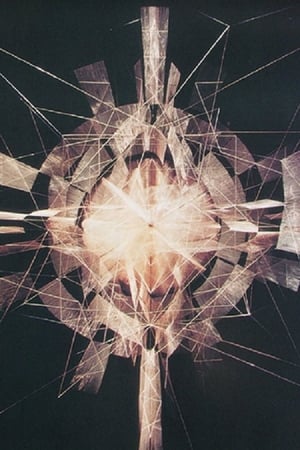
Documentary examining the work of sculptor Richard Lippold, particular his sculpture of the sun at the Metropolitan Museum of Art.
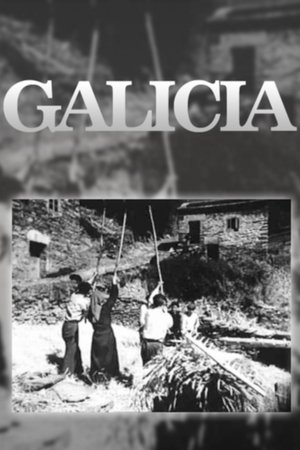
Short documentary about social and economic situation in Galicia (Spain) in 1936
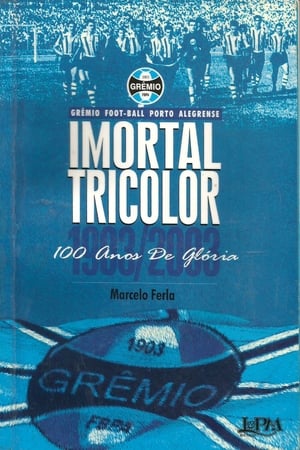
A documentary about the centuries-old story of one of the biggest clubs in Brazilian football. From its foundation, the early years, the continental and world titles and the achievementes of its greatest stars.
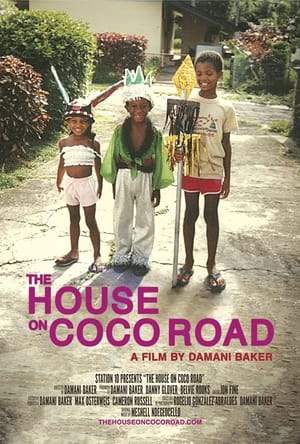
An intimate documentary exploration of heritage and history against the backdrop of a brewing Afro-centric revolution as the U.S. government prepares to invade the island nation of Grenada. First hand accounts from activists Angela Davis, Fania Davis and Fannie Haughton weave together director Damani Baker’s family portrait of utopian dreams, resistance and civil unrest with a film score composed by music luminary Meshell Ndegeocello.